Does Using a VPN Help When Mixing Bitcoin? A Comprehensive Guide to Anonymity and Security
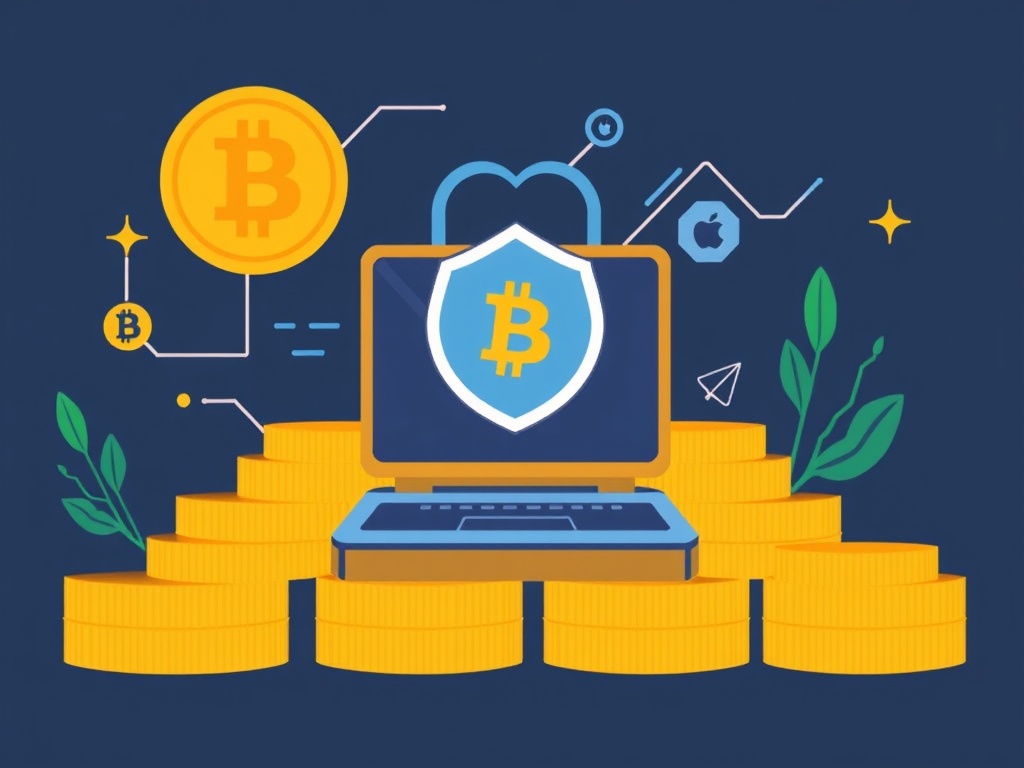
In the world of cryptocurrency, privacy and security are paramount. Bitcoin mixing, also known as tumbling or blending, is a process designed to obscure the trail of transactions, making it harder to trace the origin of funds. As users seek ways to enhance their anonymity, the question arises: does using a VPN help when mixing bitcoin? This article explores the role of Virtual Private Networks (VPNs) in the context of Bitcoin mixing, examining their benefits, limitations, and best practices for users aiming to protect their digital footprint.
Understanding Bitcoin Mixing and the Need for Anonymity
Bitcoin mixing is a technique used to break the link between a sender’s wallet and the recipient’s wallet. By routing funds through a mixing service, users can obscure the transaction history, making it difficult for third parties—including law enforcement or malicious actors—to trace the flow of money. This process is particularly appealing to individuals who value privacy or wish to avoid scrutiny from regulatory bodies.
What is Bitcoin Mixing?
Bitcoin mixing involves sending bitcoins to a third-party service that aggregates funds from multiple users and redistributes them in smaller, randomized amounts. This process effectively "cleans" the transaction history, removing any identifiable patterns. While mixing can enhance privacy, it is not foolproof. Sophisticated tracking methods or compromised services can still reveal user identities.
Why Anonymity Matters in Bitcoin Transactions
Anonymity in Bitcoin transactions is crucial for several reasons. First, it protects users from potential retaliation or targeted attacks. Second, it helps avoid legal repercussions in jurisdictions where cryptocurrency use is restricted. Third, it allows users to maintain control over their financial data without exposing sensitive information. However, achieving true anonymity requires a combination of tools and strategies, which brings us to the role of a VPN.
How VPNs Work in the Context of Bitcoin Mixing
A Virtual Private Network (VPN) is a service that encrypts a user’s internet traffic and routes it through a server in a chosen location. This process masks the user’s IP address and geographic location, making it appear as though they are browsing from a different region. When combined with Bitcoin mixing, a VPN can add an extra layer of security and anonymity. But how exactly does this work?
Encryption and Data Protection
One of the primary functions of a VPN is to encrypt data transmitted between the user’s device and the internet. This encryption ensures that even if a third party intercepts the data, it remains unreadable. For Bitcoin mixing, this means that the details of the transaction—such as the sender’s and recipient’s addresses—are protected from prying eyes. While the mixing service itself may still have access to this information, the encryption provided by a VPN reduces the risk of data breaches or unauthorized access.
IP Address Masking and Geolocation
By masking the user’s IP address, a VPN helps prevent tracking based on location. Bitcoin mixing services often require users to connect to specific servers or use certain networks. A VPN can bypass these restrictions by allowing users to appear as if they are located in a different country. This is particularly useful for users in regions with strict financial regulations or those who want to avoid local surveillance. However, it is important to note that while a VPN can hide the IP address, it does not guarantee complete anonymity if the mixing service is compromised.
Benefits of Using a VPN for Bitcoin Mixing
Using a VPN alongside Bitcoin mixing offers several advantages. These benefits are particularly relevant for users who prioritize privacy and want to minimize the risk of their transactions being traced. Let’s explore some of the key advantages.
Enhanced Privacy and Security
One of the most significant benefits of using a VPN for Bitcoin mixing is the enhanced privacy it provides. By encrypting all internet traffic, a VPN ensures that sensitive information, such as wallet addresses or transaction details, is not exposed to third parties. This is especially important when using mixing services, which may require users to share personal data or connect to specific networks. A VPN acts as a shield, making it harder for malicious actors to intercept or misuse this information.
Bypassing Geographical Restrictions
Some Bitcoin mixing services may be restricted to certain countries due to legal or regulatory reasons. A VPN allows users to bypass these restrictions by connecting to servers in different regions. For example, a user in a country with strict cryptocurrency laws can use a VPN to access a mixing service based in a more lenient jurisdiction. This flexibility can be crucial for users who need to maintain anonymity while complying with local regulations.
Potential Drawbacks and Limitations of Using a VPN
While a VPN can enhance privacy, it is not a complete solution for Bitcoin mixing. There are several limitations and potential drawbacks that users should be aware of. Understanding these can help set realistic expectations and avoid common pitfalls.
Not a Complete Solution
It is important to recognize that a VPN alone cannot guarantee absolute anonymity. Bitcoin mixing services may still track user activity if they have access to the user’s IP address or other identifying information. Additionally, if the VPN service itself is compromised or logs user data, the anonymity provided by the VPN could be undermined. Therefore, users should combine a VPN with other security measures, such as using trusted mixing services and avoiding the sharing of personal information.
Possible Risks with Free or Untrusted VPNs
Not all VPNs are created equal. Free or untrusted VPN services may log user data, sell it to third parties, or even inject malware into the user’s device. These risks can negate the benefits of using a VPN for Bitcoin mixing. Users should opt for reputable, paid VPN services that prioritize privacy and have a strict no-logs policy. Researching and selecting a reliable VPN provider is essential to ensure that the service does not compromise the user’s anonymity.
Best Practices for Using a VPN with Bitcoin Mixing
To maximize the effectiveness of a VPN in the context of Bitcoin mixing, users should follow best practices. These guidelines can help ensure that the VPN complements the mixing process rather than introducing new vulnerabilities.
Choosing the Right VPN Service
Selecting a trustworthy VPN service is the first step in ensuring security. Look for providers that offer strong encryption protocols, a strict no-logs policy, and a proven track record of protecting user privacy. Some popular options include NordVPN, ExpressVPN, and ProtonVPN. It is also advisable to choose a VPN with servers in multiple countries to enhance geographical flexibility. Before committing, users should read reviews and verify the provider’s claims regarding privacy and security.
Combining VPN with Other Security Measures
A VPN should be part of a broader security strategy rather than a standalone solution. Users should also use trusted Bitcoin mixing services, avoid sharing personal information, and consider using additional tools like Tor for enhanced anonymity. For example, connecting to a mixing service through a VPN and then using Tor can add multiple layers of protection. Regularly updating software and using strong, unique passwords for all accounts involved in the process is also crucial.
Conclusion: Does Using a VPN Help When Mixing Bitcoin?
In conclusion, does using a VPN help when mixing bitcoin? The answer is yes, but with important caveats. A VPN can enhance privacy and security by encrypting data and masking the user’s IP address, making it harder for third parties to track transactions. However, it is not a foolproof solution. Users must combine a VPN with other security practices to achieve meaningful anonymity. By choosing a reliable VPN service and integrating it with trusted mixing services, users can significantly reduce the risks associated with Bitcoin transactions. Ultimately, the effectiveness of a VPN in this context depends on how it is used and the overall security measures in place.
As the cryptocurrency landscape continues to evolve, so too will the tools and strategies for maintaining privacy. Staying informed and proactive is key to navigating the complexities of Bitcoin mixing and ensuring that your financial activities remain secure and anonymous.

Does Using a VPN Help When Mixing Bitcoin? A Digital Assets Strategist's Perspective
From my experience as a quantitative analyst specializing in digital assets, the question of whether using a VPN helps when mixing Bitcoin is nuanced. Mixing Bitcoin, or tumbling, is primarily about enhancing privacy by obscuring the transaction trail. A VPN can add a layer of anonymity by masking your IP address, which might prevent direct linkage between your device and the mixing service. However, this is not a foolproof solution. The effectiveness of a VPN depends on its implementation and the specific risks involved. For instance, if the mixing service itself is compromised or operates in a jurisdiction with weak privacy laws, a VPN may not mitigate the risk of deanonymization. Additionally, blockchain analytics tools can sometimes trace transactions even if a VPN is used, as they focus on on-chain data rather than network-level metadata. Therefore, while a VPN can be a useful component of a privacy strategy, it should not be relied upon as the sole measure for securing Bitcoin mixing activities.
Practically, the value of a VPN in this context is limited by its scope. A VPN primarily secures your internet connection, but Bitcoin mixing involves multiple steps, including the use of third-party services and the inherent transparency of the blockchain. From a market microstructure perspective, the key challenge is not just hiding your IP but also ensuring that the mixing process itself is robust against reverse engineering. For example, if a mixing service logs user data or has vulnerabilities, a VPN might not prevent exposure. Moreover, some mixing protocols require users to interact with multiple nodes or services, which could inadvertently expose information. As a strategist, I emphasize that a VPN is a supplementary tool rather than a substitute for comprehensive privacy practices. Users should combine it with other measures, such as using non-custodial mixing services or employing multi-sig wallets, to create a more resilient privacy framework. It’s also critical to evaluate the trustworthiness of the VPN provider, as a compromised or malicious service could undermine the entire process.
In conclusion, does using a VPN help when mixing Bitcoin? The answer is conditional. It can offer marginal benefits by obscuring your digital footprint, but its limitations are significant. The broader context of Bitcoin mixing—such as the quality of the mixing service, regulatory environment, and analytical tools—plays a far greater role in determining privacy outcomes. For individuals or institutions prioritizing anonymity, a VPN should be part of a layered approach rather than a standalone solution. Ultimately, the goal is to minimize the attack surface across all layers of the transaction process, not just the network level. As the digital asset landscape evolves, so too must our strategies for safeguarding privacy, and a VPN alone will not suffice in an era of advanced blockchain forensics and regulatory scrutiny.