How to Choose a Privacy-First Mobile Wallet for Secure Cryptocurrency Transactions
In an era where digital privacy is increasingly under threat, selecting the right privacy-first mobile wallet has become essential for cryptocurrency users. Whether you're a seasoned trader, a long-term investor, or a privacy-conscious individual, the wallet you choose can significantly impact your financial security and anonymity. With numerous options available, it's crucial to understand what sets a privacy-first mobile wallet apart from conventional alternatives.
This guide will walk you through the key factors to consider when choosing a privacy-first mobile wallet, highlight top-rated options, and provide actionable tips to ensure your crypto transactions remain confidential and secure. By the end, you'll be equipped with the knowledge to make an informed decision that aligns with your privacy needs.
Why Privacy Matters in Cryptocurrency Transactions
Cryptocurrencies like Bitcoin and Ethereum offer decentralization and pseudonymity, but they are not inherently private. Every transaction is recorded on a public ledger, which means that with the right tools, anyone can trace your spending habits, holdings, and even your identity. This is where a privacy-first mobile wallet comes into play.
The Risks of Non-Privacy-Focused Wallets
Most mainstream mobile wallets prioritize convenience over privacy. While they may offer user-friendly interfaces and fast transactions, they often lack advanced privacy features such as:
- Coin mixing or tumbling services to obfuscate transaction trails
- Stealth addresses to hide recipient identities
- Tor or VPN integration to mask IP addresses
- No KYC (Know Your Customer) requirements to avoid identity exposure
Using a non-private wallet can expose you to:
- Surveillance risks: Governments, hackers, or corporations may track your transactions.
- Targeted attacks: If your wallet address is linked to your identity, you could become a victim of phishing or theft.
- Financial profiling: Advertisers and data brokers may use your spending data for targeted marketing.
The Benefits of a Privacy-First Mobile Wallet
A privacy-first mobile wallet addresses these concerns by incorporating features designed to protect your financial data. Some of the key advantages include:
- Enhanced anonymity: Transactions are harder to trace, reducing the risk of identity exposure.
- Decentralized control: You retain full ownership of your funds without relying on third-party custodians.
- Protection against censorship: Privacy-focused wallets resist attempts to freeze or seize funds.
- Peace of mind: You can transact without fear of being monitored or profiled.
For users in the btcmixer_en2 niche—where privacy and security are paramount—a privacy-first mobile wallet is not just an option; it's a necessity.
Key Features to Look for in a Privacy-First Mobile Wallet
Not all wallets are created equal, especially when it comes to privacy. To choose a privacy-first mobile wallet that meets your needs, prioritize the following features:
1. Strong Encryption and Security Protocols
A top-tier privacy-first mobile wallet should employ robust encryption methods to safeguard your private keys and transaction data. Look for wallets that offer:
- End-to-end encryption: Ensures that only you can access your wallet data.
- Biometric authentication: Fingerprint or facial recognition adds an extra layer of security.
- Hierarchical Deterministic (HD) wallets: Generates a new address for each transaction, reducing traceability.
- Open-source code: Transparency allows security experts to audit the wallet for vulnerabilities.
Wallets like Wasabi Wallet and Samourai Wallet are renowned for their strong encryption and open-source frameworks, making them ideal choices for privacy-conscious users.
2. Built-in Coin Mixing or Tumbling Services
One of the most effective ways to enhance privacy is through coin mixing, a process that combines your cryptocurrency with others to obscure the transaction trail. A privacy-first mobile wallet should integrate or support:
- CoinJoin: A method where multiple users combine their transactions into a single batch, making it difficult to trace individual inputs and outputs.
- Stealth addresses: Generates a unique address for each transaction, preventing linkability.
- Lightning Network support: Enables fast and private off-chain transactions for Bitcoin.
For example, Wasabi Wallet offers built-in CoinJoin functionality, while Samourai Wallet provides advanced features like "Stonewall" and "PayJoin" to further enhance privacy.
3. No-KYC and Decentralized Exchanges
Many mobile wallets require Know Your Customer (KYC) verification, which ties your identity to your wallet address. A true privacy-first mobile wallet should allow you to:
- Purchase cryptocurrency without ID verification: Use decentralized exchanges (DEXs) or peer-to-peer (P2P) platforms to buy crypto anonymously.
- Integrate with privacy-focused services: Some wallets partner with exchanges that don't require KYC, such as Bisq or Hodl Hodl.
Wallets like Edge Wallet and BRD Wallet offer in-app DEX integrations, allowing you to trade without revealing your identity.
4. Tor and VPN Support
Your IP address can reveal your location and browsing habits, making it a critical piece of data to protect. A privacy-first mobile wallet should support:
- Tor integration: Routes your traffic through the Tor network, masking your IP address.
- VPN compatibility: Allows you to connect to a VPN server before making transactions.
- Built-in obfuscation: Some wallets randomize transaction times to prevent pattern analysis.
For instance, Samourai Wallet offers "Tor Mode," which forces all traffic through the Tor network, while Wasabi Wallet supports VPN configurations.
5. User-Controlled Backup and Recovery
Losing access to your wallet can be catastrophic, but relying on centralized backup services can compromise your privacy. A privacy-first mobile wallet should provide:
- Seed phrase backup: A 12 or 24-word phrase that only you control.
- Offline storage options: Some wallets allow you to store your seed phrase on a hardware device or paper wallet.
- No cloud backups: Avoid wallets that store your seed phrase on their servers.
Wallets like Electrum and BlueWallet offer advanced backup options while maintaining privacy.
Top Privacy-First Mobile Wallets in 2024
With so many options available, it can be challenging to choose a privacy-first mobile wallet that fits your needs. Below, we’ve curated a list of the best privacy-focused mobile wallets, categorized by their standout features.
1. Wasabi Wallet (Bitcoin-Focused)
Wasabi Wallet is one of the most popular privacy-first mobile wallets for Bitcoin users. It is open-source, non-custodial, and built specifically for privacy.
- Key Features:
- Built-in CoinJoin for enhanced anonymity
- Tor integration for IP address protection
- Hierarchical Deterministic (HD) wallet structure
- No KYC requirements
- Pros:
- Highly transparent and auditable
- Strong community support
- Regular updates and improvements
- Cons:
- Currently only supports Bitcoin
- Requires some technical knowledge to use effectively
Wasabi Wallet is ideal for Bitcoin users who prioritize privacy and are willing to invest time in learning its features.
2. Samourai Wallet (Advanced Privacy Features)
Samourai Wallet is another top contender in the privacy-first mobile wallet space, offering a suite of advanced tools for Bitcoin users.
- Key Features:
- Stonewall and PayJoin for transaction obfuscation
- Tor and VPN support
- Stealth addresses for recipient privacy
- No address reuse policy
- Pros:
- Comprehensive privacy toolkit
- User-friendly interface
- Regular updates and community-driven development
- Cons:
- Only supports Bitcoin
- Some features require additional setup
Samourai Wallet is best suited for users who want granular control over their privacy settings.
3. Edge Wallet (Multi-Currency with Privacy Options)
Edge Wallet is a versatile privacy-first mobile wallet that supports multiple cryptocurrencies, including Bitcoin, Ethereum, and Monero.
- Key Features:
- Built-in decentralized exchange (DEX)
- Client-side encryption for enhanced security
- No KYC for in-app purchases
- Biometric authentication
- Pros:
- Supports a wide range of cryptocurrencies
- User-friendly and intuitive interface
- Strong focus on security and privacy
- Cons:
- Some features require additional setup
- Not fully open-source
Edge Wallet is a great choice for users who want a multi-currency wallet with privacy-focused features.
4. BRD Wallet (Simple and Secure)
BRD Wallet (formerly Bread Wallet) is a straightforward and secure privacy-first mobile wallet that supports Bitcoin, Ethereum, and other cryptocurrencies.
- Key Features:
- No KYC requirements
- Built-in exchange for seamless trading
- Biometric authentication
- Open-source code
- Pros:
- Easy to use for beginners
- Strong focus on security
- Regular updates and improvements
- Cons:
- Limited privacy features compared to Wasabi or Samourai
- No built-in CoinJoin or advanced obfuscation tools
BRD Wallet is ideal for users who want a simple and secure wallet without the complexity of advanced privacy tools.
5. Monero GUI Wallet (For Monero Users)
If you're specifically interested in Monero (XMR), the Monero GUI Wallet is the go-to privacy-first mobile wallet for this privacy coin.
- Key Features:
- Built-in ring signatures and stealth addresses
- No blockchain analysis possible
- Open-source and community-driven
- Cross-platform compatibility
- Pros:
- Unmatched privacy for Monero transactions
- Regular updates and improvements
- Strong community support
- Cons:
- Only supports Monero
- Requires some technical knowledge to use effectively
The Monero GUI Wallet is the best choice for users who prioritize privacy above all else and are willing to use a dedicated Monero wallet.
How to Set Up and Use a Privacy-First Mobile Wallet
Once you’ve decided to choose a privacy-first mobile wallet, the next step is setting it up correctly. Below is a step-by-step guide to help you get started with maximum privacy.
Step 1: Download the Wallet from a Trusted Source
Always download your wallet from the official website or a trusted app store (e.g., Google Play Store, Apple App Store). Avoid third-party sources, as they may contain malware or fake versions of the wallet.
- For Android: Use the Google Play Store or the official APK from the wallet’s website.
- For iOS: Use the Apple App Store, as sideloading is restricted on iOS devices.
Example: To download Wasabi Wallet, visit https://wasabiwallet.io and follow the official download links.
Step 2: Create a New Wallet
When creating a new wallet, follow these best practices:
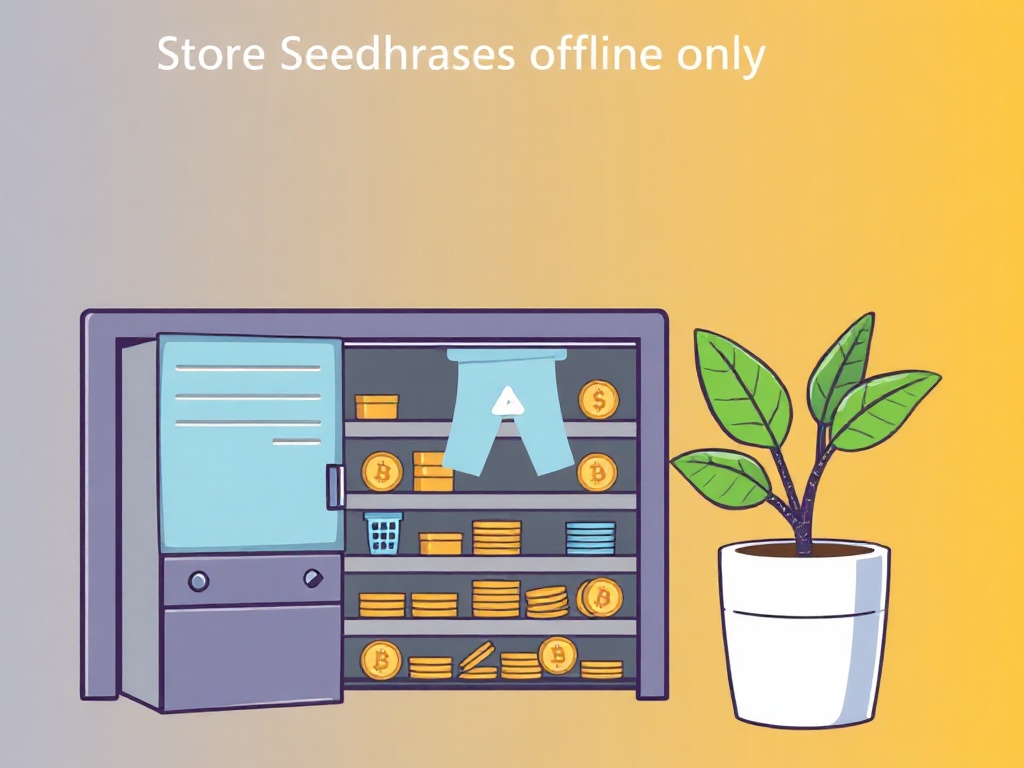
- Write down your seed phrase: This 12 or 24-word phrase is your only backup. Store it offline in a secure location (e.g., a metal seed phrase backup or a locked drawer).
- Avoid storing it digitally: Never take a screenshot or save it in a cloud service.
- Use a strong passphrase (if available): Some wallets allow you to add an extra layer of security with a passphrase.
Note: Never share your seed phrase with anyone, including wallet support teams. Legitimate wallet providers will never ask for your seed phrase.
Step 3: Enable Privacy Features
After setting up your wallet, enable the privacy features that are most relevant to your needs:
- For Bitcoin wallets: Enable CoinJoin, PayJoin, or stealth addresses if available.
- For Monero wallets: Ensure ring signatures and stealth addresses are enabled by default.
- For all wallets: Enable Tor or VPN support to mask your IP address.
Example: In Samourai Wallet, you can enable "Stonewall" and "PayJoin" in the settings to enhance transaction privacy.
Step 4: Fund Your Wallet Anonymously
To maximize privacy, avoid depositing funds from exchanges that require KYC. Instead, use the following methods:
- Peer-to-peer (P2P) trading: Platforms like Bisq, Hodl Hodl, or LocalMonero allow you to buy crypto without ID verification.
- Cash deposits: Some services allow you to deposit cash at ATMs or physical locations and receive crypto directly to your wallet.
- Gift cards or vouchers: Some wallets and exchanges accept gift cards as a form of payment.
Example: On Bisq, you can buy Bitcoin directly from another user

Why Choosing a Privacy-First Mobile Wallet Is Essential for Secure Web3 Transactions
As a DeFi and Web3 analyst, I’ve seen firsthand how the lack of privacy in mobile wallets can expose users to unnecessary risks—whether through transaction tracking, address clustering, or metadata leaks. When you choose a privacy-first mobile wallet, you’re not just opting for anonymity; you’re prioritizing security against blockchain surveillance, front-running bots, and centralized data harvesting. Tools like Samourai Wallet for Bitcoin or Monero’s official mobile wallet go beyond basic encryption by implementing techniques such as CoinJoin or stealth addresses, which obfuscate transaction trails at the protocol level. These features are critical in an ecosystem where even a single leaked transaction can compromise your financial privacy—or worse, your identity.
From a practical standpoint, privacy-first wallets also align with the core ethos of decentralization. Many mainstream mobile wallets rely on third-party servers for transaction broadcasting or address resolution, creating single points of failure. In contrast, wallets like Wasabi Wallet (for desktop but with mobile compatibility) or Edge Wallet (which supports Monero and Zcash) emphasize client-side encryption and local key storage, reducing exposure to server-side breaches. For DeFi users, this means fewer vectors for MEV (Maximal Extractable Value) attacks or targeted phishing. My recommendation? Always audit a wallet’s open-source code, check for audit reports, and verify its stance on KYC policies—if it asks for personal data, it’s not truly privacy-first. The best wallets empower you to transact freely, without the shadow of surveillance looming over every interaction.