How to Safely Convert BNB to XMR: A Step-by-Step Guide for Privacy-Conscious Users
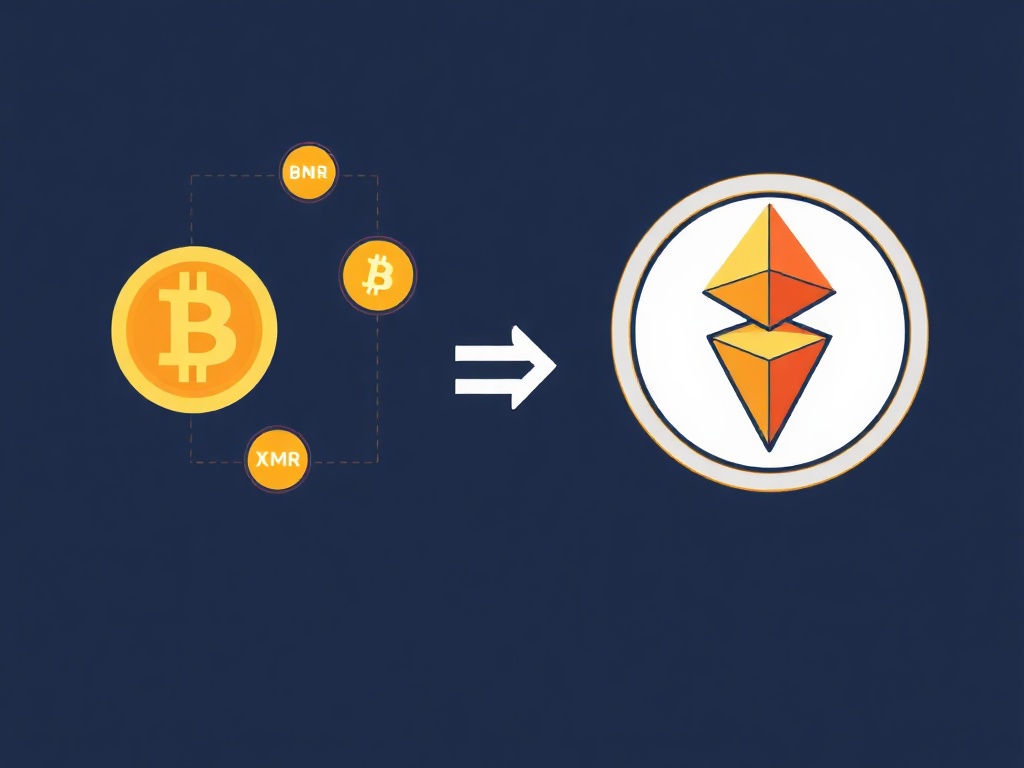
In the evolving world of cryptocurrency, users often seek ways to enhance their financial privacy and security. One common conversion that privacy-focused individuals consider is to convert BNB to XMR. Binance Coin (BNB) and Monero (XMR) serve different purposes in the digital asset ecosystem, and understanding how to bridge these two can be valuable for those prioritizing anonymity and decentralization.
This comprehensive guide explores the reasons behind converting BNB to XMR, the safest methods available, and best practices to ensure a smooth and secure transaction. Whether you're a seasoned crypto trader or a privacy advocate, this article will provide the insights you need to navigate the process confidently.
Why Convert BNB to XMR? Understanding the Benefits
Before diving into the conversion process, it's essential to understand why someone might want to convert BNB to XMR. Both cryptocurrencies have distinct features that cater to different user needs.
1. Enhanced Privacy with Monero (XMR)
Monero is widely regarded as the leading privacy coin in the cryptocurrency space. Unlike transparent blockchains such as Binance Smart Chain (BSC), which powers BNB, Monero uses advanced cryptographic techniques like ring signatures, stealth addresses, and Ring Confidential Transactions (RingCT) to obscure transaction details. This makes it nearly impossible to trace the sender, receiver, or amount involved in a transaction.
For users concerned about financial surveillance, censorship, or tracking by third parties, converting BNB to XMR offers a powerful way to regain control over their financial privacy.
2. Diversification Beyond Binance Ecosystem
BNB is primarily used within the Binance ecosystem for trading fees, staking, and DeFi applications. While it is a versatile token, relying solely on BNB may limit your exposure to other blockchain networks and privacy-focused assets. By converting BNB to XMR, users can diversify their holdings and participate in a more decentralized and censorship-resistant financial system.
3. Avoiding Exchange Censorship and Restrictions
Many centralized exchanges (CEXs) impose withdrawal limits, KYC requirements, or even freeze funds based on regulatory pressures. Monero, being a privacy coin, is often delisted or restricted on major exchanges due to compliance concerns. However, users can bypass these restrictions by first converting BNB to XMR on a privacy-focused platform or decentralized exchange (DEX), then withdrawing XMR directly to a non-custodial wallet.
This strategy allows users to maintain financial sovereignty and avoid unnecessary exposure to exchange-related risks.
4. Lower Transaction Fees Compared to Some Alternatives
While BNB transactions on the BSC are relatively low-cost, converting to XMR via certain methods—especially peer-to-peer (P2P) platforms or atomic swaps—can sometimes result in lower overall fees, particularly when avoiding high exchange withdrawal charges or network congestion on other chains.
By understanding these motivations, users can make informed decisions about when and why to convert BNB to XMR.
Top Methods to Convert BNB to XMR Securely
There are several ways to convert BNB to XMR, each with varying levels of privacy, speed, and complexity. Below are the most reliable and secure methods available in 2024.
1. Using a Decentralized Exchange (DEX) with Privacy Features
Decentralized exchanges allow users to trade cryptocurrencies directly from their wallets without the need for a central authority. Some DEXs support privacy-focused tokens and offer features that enhance anonymity.
Recommended DEXs for Converting BNB to XMR
- Bisq: A peer-to-peer DEX that supports BNB and XMR. It operates without KYC and uses a decentralized arbitration system to resolve disputes. Transactions are broadcast directly to the Monero and Binance Smart Chain networks.
- Haveno: A Monero-native DEX designed for privacy. While it primarily supports XMR, users can trade BNB via wrapped versions or through integrated bridges.
- THORChain (RUNE): A cross-chain liquidity protocol that enables swaps between BNB and XMR via its decentralized network. Users retain control of their funds throughout the process.
Step-by-Step Process Using Bisq
- Download and Install Bisq: Available for Windows, macOS, and Linux. Ensure you download it from the official website to avoid malware.
- Fund Your Bisq Wallet: Deposit BNB into your Bisq wallet by generating a BSC address within the app.
- Create a Buy Offer for XMR: Navigate to the "Buy XMR" section and set your price, amount, and payment method (e.g., bank transfer, cash deposit).
- Wait for a Match: Once a seller accepts your offer, follow the on-screen instructions to complete the trade.
- Receive XMR: After payment is confirmed, the XMR will be sent directly to your Monero wallet address.
Pros: No KYC, high privacy, non-custodial.
Cons: Slower due to manual matching, requires patience, potential for higher fees during low liquidity.
2. Atomic Swaps: Trustless Cross-Chain Conversion
Atomic swaps enable users to exchange cryptocurrencies directly between two blockchains without relying on a third party. This method is ideal for those who want to convert BNB to XMR without intermediaries.
How Atomic Swaps Work
Atomic swaps use hash time-locked contracts (HTLCs) to ensure both parties fulfill the transaction or none at all. If one party fails to send their funds, the contract automatically refunds both users.
Tools for Atomic Swaps
- Komodo (ATOMIC): Offers a suite of tools for atomic swaps, including support for BNB and XMR.
- ChangeNOW: A non-custodial exchange that supports atomic swaps between BNB and XMR.
- SwapSpace: Aggregates multiple swap providers, including those offering atomic swap functionality.
Step-by-Step Atomic Swap Process
- Choose a Platform: Select a reputable atomic swap provider like Komodo or ChangeNOW.
- Enter Amount and Addresses: Input the amount of BNB you wish to convert and provide your XMR wallet address.
- Initiate the Swap: The platform generates a unique address for you to send BNB to. The swap is locked via HTLC.
- Send BNB: Transfer BNB from your wallet to the provided address. The network confirms the transaction.
- Receive XMR: Once the BNB is confirmed, the equivalent amount of XMR is sent to your wallet automatically.
Pros: Fully trustless, no KYC, fast execution.
Cons: Limited liquidity for some pairs, technical complexity for beginners.
3. Centralized Exchanges with Privacy Considerations
While centralized exchanges (CEXs) often require KYC, some users still prefer them for convenience and liquidity. If you choose this route, it's crucial to prioritize privacy at every step.
Recommended CEXs for Converting BNB to XMR
- Binance: Allows withdrawal of XMR to a private wallet, though deposits of XMR are not supported. You can trade BNB for USDT, then withdraw USDT to a privacy-focused exchange like Kraken or Bitfinex (which supports XMR withdrawals), and finally convert USDT to XMR.
- KuCoin: Supports XMR trading pairs and allows withdrawals to private wallets. Users can trade BNB for XMR directly on the platform.
- Gate.io: Offers BNB/XMR trading pairs and supports XMR withdrawals to non-custodial wallets.
Privacy Tips When Using CEXs
- Use a VPN: Mask your IP address to avoid location-based restrictions or tracking.
- Avoid Linking Personal Information: Use a dedicated email and phone number not associated with your identity.
- Withdraw Directly to a Privacy Wallet: Transfer XMR to a wallet like Monero GUI or Feather Wallet as soon as possible.
- Enable Two-Factor Authentication (2FA): Protect your account from unauthorized access.
Pros: High liquidity, fast transactions, user-friendly.
Cons: KYC requirements, potential privacy risks, exchange-controlled funds.
4. Peer-to-Peer (P2P) Platforms with Privacy Focus
P2P platforms connect buyers and sellers directly, often with minimal KYC requirements. These platforms are ideal for users who want to convert BNB to XMR while maintaining anonymity.
Top P2P Platforms for BNB to XMR Conversion
- LocalMonero: A dedicated P2P marketplace for Monero. While it primarily supports XMR trades, users can trade BNB via external methods (e.g., Binance P2P) and settle in XMR.
- Bisq: As mentioned earlier, Bisq functions as a P2P DEX and supports BNB/XMR trades.
- Hodl Hodl: A global P2P exchange that supports XMR and allows users to trade BNB through integrated services or external agreements.
How to Use LocalMonero for Indirect BNB to XMR Conversion
- Create an Account: Sign up on LocalMonero and verify your email.
- Find a Seller: Search for offers to sell XMR for BNB or other cryptocurrencies.
- Agree on Terms: Communicate with the seller to arrange the trade. Some sellers may accept BNB directly via Binance P2P or another method.
- Complete the Trade: Send BNB to the seller's address or agreed-upon method. Once confirmed, the seller releases the XMR to your wallet.
- Rate the Seller: Provide feedback to build trust within the community.
Pros: No KYC, high privacy, flexible payment methods.
Cons: Requires trust in counterparties, potential for scams, slower than automated exchanges.
Step-by-Step: Converting BNB to XMR Using a Privacy-First Approach
To help you execute a secure conversion, here’s a detailed walkthrough using a combination of decentralized and privacy-focused tools.
Step 1: Prepare Your Wallets
Before initiating any trade, ensure you have the following wallets set up:
- Binance Smart Chain Wallet: Use a wallet like MetaMask or Trust Wallet to hold your BNB. Make sure you have enough BNB to cover the conversion and transaction fees.
- Monero Wallet: Download a non-custodial Monero wallet such as:
- Monero GUI Wallet (official, full-node)
- Feather Wallet (lightweight, privacy-focused)
- MyMonero (web-based, user-friendly)
- Optional: Privacy Tools: Consider using a VPN (e.g., ProtonVPN, Mullvad) and Tor Browser to mask your online activity.
Step 2: Choose a Conversion Method
Based on your priorities (privacy, speed, ease of use), select one of the following methods:
- For maximum privacy: Use Bisq or LocalMonero.
- For speed and convenience: Use a CEX like KuCoin or Gate.io.
- For trustless swaps: Use an atomic swap platform like Komodo.
Step 3: Execute the Conversion
Let’s walk through a convert BNB to XMR process using Bisq, the most private option:
- Download and Set Up Bisq
- Visit https://bisq.network and download the application.
- Run Bisq and wait for the blockchain to sync (this may take time).
- Create a new wallet or import an existing one.
- Deposit BNB into Bisq
- Go to the "Funds" tab and select "Receive BNB."
- Copy the BSC address provided by Bisq.
- Send BNB from your MetaMask or Trust Wallet to this address. Ensure you send enough to cover the trade amount and network fees.
- Create a Buy Offer for XMR
- Navigate to the "Buy XMR" section.
- Set your desired price (check current market rates on Bisq or other platforms).
- Choose your payment method (e.g., bank transfer, cash deposit, or another cryptocurrency).
- Specify the amount of XMR you wish to purchase.
- Click "Create Offer" and wait for a seller to accept it.
- Complete the Trade
- Once a seller accepts your offer, follow the instructions to send the agreed-upon payment (e.g., via bank transfer or another method).
- Mark the payment as sent in Bisq.
- The seller will then release the XMR to your wallet address.
- Once received, confirm the transaction in Bisq.
- Withdraw XMR to Your Private Wallet
- Go to the "Funds" tab and select "Send XMR."
- Enter your Monero wallet address (e.g., from Feather Wallet or Monero GUI).
- Confirm the transaction. Monero transactions are private by default, so your balance and transaction history remain confidential.
Step 4: Secure Your XMR
After successfully converting BNB to XMR, take steps to secure your funds:
- Use a Hardware Wallet: For long-term storage, consider transferring XMR to a hardware wallet like Ledger or Trezor (with Monero support via third-party apps).
- Enable View Keys: In your Monero wallet, enable view keys to monitor incoming transactions without compromising privacy.
- Backup Your Wallet: Write down your seed phrase and store it securely offline. Never share it with anyone.
- Avoid Reusing Addresses: Generate a new XMR address for each transaction to enhance privacy.
Security Risks and How to Avoid Them When Converting BNB to XMR
While converting BNB to XMR can enhance privacy, it’s not without risks. Being aware of potential threats and implementing safeguards is crucial to protecting your funds and identity.
1. Scams and Fraudulent Platforms
Scammers often create fake exchanges, wallets, or P2P platforms to steal cryptocurrency. Always verify the legitimacy of a platform before using it.
Red Flags to Watch For
- Platforms that promise unrealistic exchange rates or "guaranteed" profits.
- Websites or apps with poor design, broken links, or no clear contact information
 Sarah MitchellBlockchain Research Director
Strategic Insights on How to Convert BNB to XMR for Enhanced Privacy and Efficiency
As the Blockchain Research Director at a leading fintech consultancy, I’ve observed that converting BNB to XMR is increasingly becoming a strategic move for users seeking to prioritize privacy and reduce transactional footprint. BNB, the native token of the Binance Smart Chain (BSC), operates within a highly transparent and regulated ecosystem, which, while efficient for trading, lacks the anonymity features that many users now demand. Monero (XMR), on the other hand, is purpose-built for privacy, leveraging ring signatures, stealth addresses, and confidential transactions to obfuscate sender, receiver, and amount details. For individuals or institutions transitioning from BNB to XMR, the primary motivation often stems from a desire to align with privacy-centric financial practices without sacrificing the utility of a high-performance blockchain. However, this conversion requires careful consideration of exchange selection, liquidity constraints, and regulatory implications—factors that can significantly impact the efficiency and security of the transaction.
From a technical and operational standpoint, converting BNB to XMR is not as straightforward as swapping two ERC-20 tokens due to the architectural differences between BSC and the Monero network. Users must first identify reputable decentralized exchanges (DEXs) or centralized platforms that support cross-chain swaps, such as those integrating ThorChain, Binance Bridge, or specialized privacy-focused services like SideShift.ai. It’s critical to assess the liquidity depth of these platforms to avoid slippage, particularly when dealing with larger transaction volumes. Additionally, users should be aware of the inherent risks associated with custodial solutions, where funds are held by a third party during the conversion process. For maximum security, non-custodial methods—such as using atomic swaps or privacy-preserving bridges—are preferable, though they may require a deeper understanding of wallet management and blockchain interactions. Ultimately, while converting BNB to XMR offers compelling advantages in terms of financial sovereignty and privacy, it demands a methodical approach to mitigate risks and ensure a seamless transition.