How to Sweep a Paper Wallet Privately: A Comprehensive Guide to Securing Your Bitcoin
In the ever-evolving landscape of cryptocurrency, the security of your digital assets is paramount. For many early adopters and seasoned investors, paper wallets have long been considered one of the most secure methods for storing Bitcoin offline. However, simply generating a paper wallet and stashing it in a drawer is no longer enough to guarantee your financial privacy. The public nature of the blockchain means that every transaction is permanently recorded and traceable. This is why understanding how to sweep a paper wallet privately is an essential skill for any serious crypto holder. By moving your funds from a static paper wallet to a dynamic, private environment, you break the link between your past and your future transactions, ensuring your financial sovereignty remains intact.
Sweeping a paper wallet involves transferring the funds from the paper wallet's address to a new, active wallet. While this sounds straightforward, doing it privately requires a meticulous approach. If you simply sweep your funds directly to an exchange or a known wallet, you risk exposing your entire transaction history to blockchain analysis firms. To truly protect your wealth, you must integrate privacy-enhancing tools into your workflow. This guide will walk you through the necessary steps, emphasizing the importance of operational security and the role of mixing services in preserving your anonymity.
Understanding Paper Wallets and the Need for Privacy
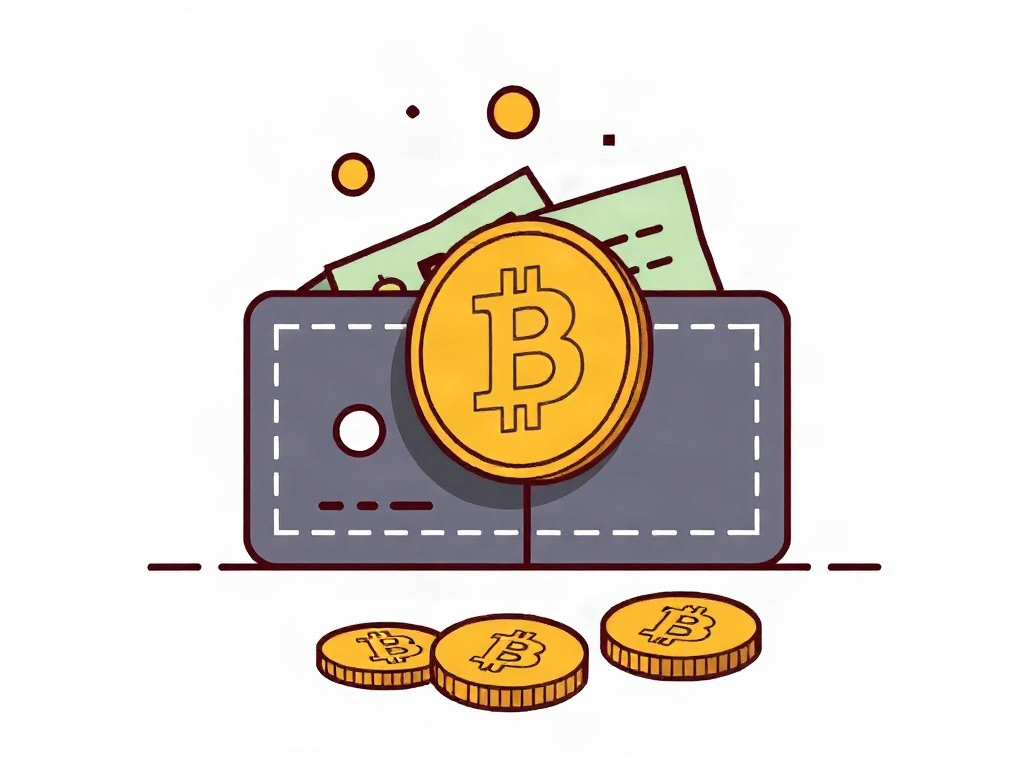
A paper wallet is essentially a physical document containing a public address and a private key, often displayed as QR codes. While it is immune to online hacking attempts when generated correctly, it is highly vulnerable to physical degradation, loss, and, most importantly, blockchain surveillance. When you receive Bitcoin to a paper wallet, that address is forever tied to your identity if it is ever linked to your real-world persona. Therefore, learning how to sweep a paper wallet privately is not just a technical process; it is a fundamental aspect of financial privacy.
The Vulnerability of Public Ledgers
The Bitcoin blockchain is a transparent, immutable ledger. Every transaction ever made is visible to anyone. Blockchain analytics companies constantly monitor the network, using heuristic tools to cluster addresses and trace the flow of funds. If you sweep your paper wallet directly to a custodial exchange, you are effectively handing over your entire financial history to that exchange. They will know exactly where the funds originated, how much you hold, and potentially who you are. This level of transparency is antithetical to the core ethos of cryptocurrency.
Why Sweeping Requires a Private Approach
To counter the surveillance capabilities of blockchain analytics, you must adopt a private approach to sweeping. This means not only moving the funds but also obfuscating the trail. When you learn how to sweep a paper wallet privately, you are essentially learning how to sever the on-chain link between your old, exposed address and your new, secure wallet. This requires a combination of secure offline practices and the use of specialized privacy tools, such as Bitcoin mixers, to ensure that your transactions cannot be easily traced back to you.
Preparing Your Environment for a Secure Sweep
Before you even think about moving a single satoshi, you must prepare your digital environment. The security of your sweep is only as strong as the device and network you use to initiate it. A compromised computer or a vulnerable internet connection can easily expose your private keys, rendering all other privacy efforts useless.
Setting Up an Offline Workspace
The gold standard for handling sensitive cryptocurrency operations is an air-gapped machine. This is a computer that has never been and will never be connected to the internet. You can use a live operating system like Tails or a dedicated Linux distribution booted from a USB drive. This ensures that no persistent malware or keyloggers can intercept your private keys. When you generate or view your paper wallet's private key, it should only ever exist in the RAM of this isolated machine.
Selecting the Right Wallet Software
Choosing the right software to perform the sweep is critical. You should opt for a wallet that supports the "sweep" function, which automatically transfers the entire balance to a new address and leaves the old paper wallet empty. This is preferable over "importing" the private key, as importing can leave your funds vulnerable to double-spending attacks if the paper wallet is ever compromised again. Look for wallets that offer robust privacy features and allow you to customize transaction fees and outputs.
The Step-by-Step Process of Sweeping Your Paper Wallet
Now that your environment is secure and your software is ready, you can begin the actual process of moving your funds. This phase requires careful attention to detail to ensure that your private keys are never exposed to an insecure network.
Importing or Sweeping the Private Key
Start by unlocking your offline machine and opening your chosen wallet software. You will need to either scan the QR code of the private key or manually enter the alphanumeric string. Once the key is loaded, initiate the sweep. The wallet will construct a transaction that spends all the funds from the paper wallet's address and sends them to a new address within your software wallet. It is crucial to wait for this transaction to receive at least one network confirmation before proceeding to the next step, ensuring the funds are securely in your control.
Routing Funds Through a Bitcoin Mixer
Once the funds are in your software wallet, they are still on the public blockchain and traceable. To achieve true privacy, you must mix your coins. This is where the btcmixer_en2 service becomes an invaluable tool. By using btcmixer_en2, you can break the heuristic link between your paper wallet's origin and your current wallet. The service pools your funds with those of other users and returns them to you from entirely different addresses, effectively anonymizing your transaction history. This step is the cornerstone of learning how to sweep a paper wallet privately, as it ensures that your financial activities remain confidential.
Best Practices for Long-Term Bitcoin Privacy
Sweeping your paper wallet and mixing your funds are not one-time events; they are part of a broader strategy for maintaining long-term privacy. The blockchain does not forget, and without continuous effort, your anonymity can slowly erode over time.
Utilizing btcmixer_en2 for Optimal Anonymity
When selecting a mixing service, it is vital to choose one that prioritizes user privacy and security. btcmixer_en2 is designed with these principles in mind, offering features such as time delays and multiple output addresses to further complicate blockchain analysis. By utilizing btcmixer_en2, you are taking a proactive step to protect your financial data from prying eyes. The service ensures that the coins you receive are completely disconnected from their previous transaction history, providing you with the peace of mind that your Bitcoin is truly yours and no one else's.
Maintaining Operational Security Post-Sweep
After you have successfully swept and mixed your funds, your work is not done. You must maintain strict operational security (OpSec) to preserve your privacy. This includes avoiding address reuse, as every time you use the same address, you create a new link in the blockchain. Always generate a new receiving address for every transaction. Additionally, be mindful of the networks you use to access your wallet and avoid connecting to public Wi-Fi without a robust VPN or the Tor network. By combining the initial sweep with ongoing OpSec, you ensure that your Bitcoin remains a private and secure asset.
Monitoring and Verifying Transaction Integrity
Finally, always verify the integrity of your transactions. Use block explorers cautiously, as they can track your IP address. Instead, run your own node if possible, or use a privacy-respecting block explorer. After using btcmixer_en2, verify that the funds have arrived in your wallet and that the transaction details align with your expectations. This final check ensures that the entire process, from the paper wallet to the mixed output, has been completed successfully and securely.
In conclusion, the journey of securing your Bitcoin does not end with the creation of a paper wallet; it begins there. By mastering how to sweep a paper wallet privately, you take control of your financial destiny. From setting up an air-gapped environment to leveraging the power of btcmixer_en2, every step you take fortifies your privacy against the relentless scrutiny of the blockchain. Embrace these practices, and you will ensure that your digital wealth remains protected, private, and truly yours.

Navigating the Risks: How to Sweep a Paper Wallet Privately and Securely
As someone who has spent over a decade analyzing blockchain risk and institutional adoption trends, I cannot overstate the critical importance of operational security when moving legacy assets. When evaluating how to sweep a paper wallet privately, the primary concern extends far beyond simply transferring funds; it is about severing the on-chain link between the original address and your current holdings without exposing your private keys to a compromised environment. In my experience, the most significant risk lies in the moment of key exposure, where a single malicious actor or compromised software can render the entire balance vulnerable to immediate theft.
From a practical standpoint, I always recommend utilizing an air-gapped hardware wallet to execute the sweep, ensuring the private key never touches an internet-connected device. This method effectively neutralizes the threat of keyloggers or clipboard hijackers that frequently target software wallet interfaces. Furthermore, it is imperative to sweep the entire balance to a fresh, unused address rather than leaving a remainder, as address reuse fundamentally compromises your privacy by allowing blockchain analytics firms to cluster your transaction history and map your financial footprint.
Ultimately, treating the sweeping process with the same rigor as an institutional-grade custody transfer is non-negotiable for preserving your digital sovereignty. As the blockchain ecosystem matures and regulatory scrutiny intensifies, the ability to maintain financial privacy through disciplined key management becomes an invaluable asset. By adhering to these stringent operational protocols, you not only protect your immediate capital but also safeguard your broader portfolio against the systemic risks posed by an increasingly transparent and surveilled ledger.