How to Verify a Bitcoin Mixer is Not a Scam: A Step-by-Step Guide
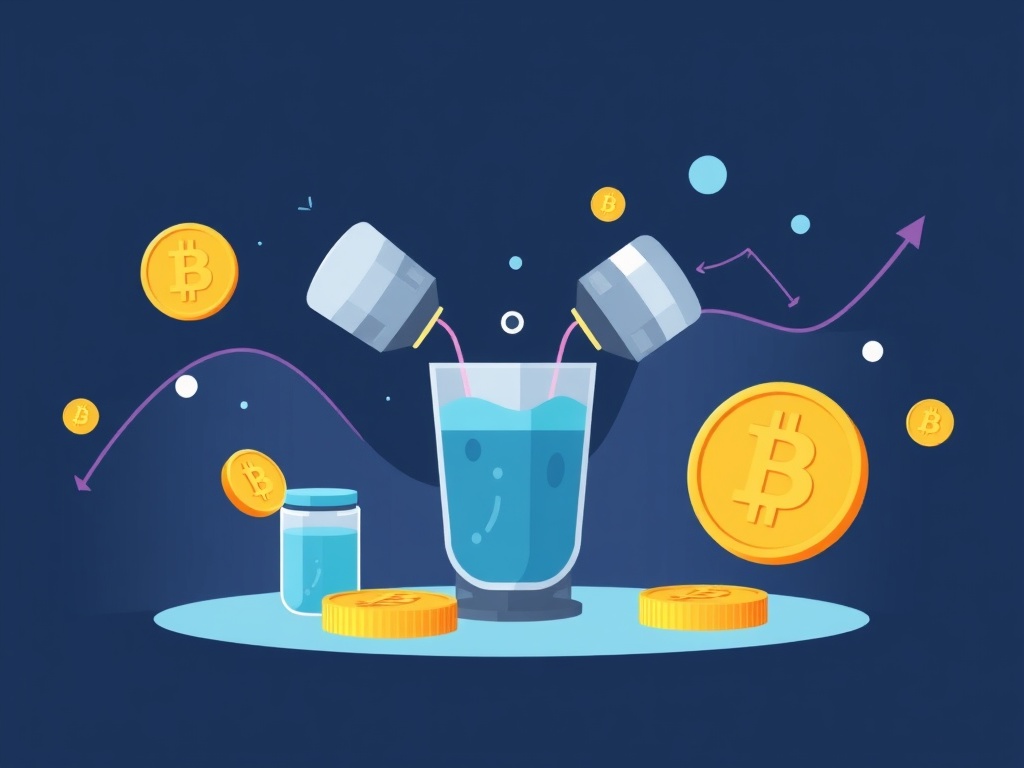
Bitcoin mixers, also known as tumblers, are tools designed to enhance privacy by obscuring the transaction trail of cryptocurrency. However, the anonymity they provide also makes them a target for scams. If you’re asking, “how to verify a bitcoin mixer is not a scam,” you’re not alone. With the rise of crypto-related fraud, understanding how to evaluate these services is critical. This guide will walk you through the key steps to ensure you’re using a legitimate mixer and avoiding malicious actors.
Understanding Bitcoin Mixers and Their Risks
Before diving into verification methods, it’s essential to grasp what bitcoin mixers do. These services take your Bitcoin and “mix” it with others’ funds, making it harder to trace the origin of the coins. While this is a legitimate privacy tool, it’s also a common target for scammers. Fraudulent mixers may steal your funds, fail to return them, or even use your coins for illegal activities.
Why Are Bitcoin Mixers Targeted by Scammers?
- Anonymity Appeal: Mixers operate in a gray area of legality, making them attractive to both privacy advocates and criminals.
- High Transaction Volumes: Large-scale mixers handle significant amounts of Bitcoin, making them lucrative targets.
- Lack of Regulation: Many mixers operate without oversight, creating opportunities for exploitation.
If you’re asking, “how to verify a bitcoin mixer is not a scam,” it’s crucial to recognize these risks. Scammers often exploit the complexity of crypto transactions to deceive users. By understanding the landscape, you can better protect yourself.
Key Indicators of a Legitimate Bitcoin Mixer
Not all bitcoin mixers are created equal. Legitimate services prioritize transparency, security, and user trust. Here’s how to identify them:
1. Reputation and User Reviews
Start by researching the mixer’s reputation. Look for:
- Independent Reviews: Check forums like Reddit, Bitcoin Talk, or crypto review sites. Avoid relying solely on the mixer’s own website.
- Longevity: Established mixers with years of operation are less likely to be scams. New or unknown services may lack a proven track record.
- Community Feedback: Engage with crypto communities to hear firsthand experiences.
If a mixer has a history of complaints or negative reviews, it’s a red flag. Always cross-reference information from multiple sources.
2. Transparency in Operations
Legitimate mixers are open about their processes. Look for:
- Clear Terms of Service: A detailed privacy policy and terms of use are essential. Avoid services that hide critical information.
- Public Audit Reports: Some mixers publish audit results to prove their integrity. This is a strong indicator of legitimacy.
- No Hidden Fees: Be wary of services that charge excessive or unclear fees.
If a mixer’s website lacks transparency, it’s a warning sign. Always ask, “how to verify a bitcoin mixer is not a scam” by demanding clarity from the provider.
3. Security Measures and Encryption
Security is non-negotiable for any reputable mixer. Check for:
- End-to-End Encryption: Ensure your transactions are protected from interception.
- Two-Factor Authentication (2FA): This adds an extra layer of security for your account.
- No Logging Policy: A no-logs policy means the mixer doesn’t track your activity, which is vital for privacy.
If a mixer doesn’t prioritize security, it’s likely not worth the risk. Always verify their protocols before using their services.
How to Test a Bitcoin Mixer Before Committing
Before sending large amounts of Bitcoin, test the mixer with a small transaction. This step is crucial to answering the question, “how to verify a bitcoin mixer is not a scam.”
1. Start with a Small Amount
Send a minimal amount of Bitcoin (e.g., 0.01 BTC) to the mixer. Monitor the process closely:
- Transaction Speed: Legitimate mixers process transactions efficiently. Delays may indicate technical issues or fraud.
- Return of Funds: Ensure the mixer returns your coins within the promised timeframe.
- No Unexpected Charges: Verify that no additional fees are applied without notice.
If the mixer fails this test, it’s a clear sign to avoid it. Always prioritize caution when evaluating new services.
2. Check for Refund Policies
Legitimate mixers often offer refund policies. Look for:
- Clear Refund Terms: Understand the conditions under which you can get your money back.
- Customer Support Responsiveness: Test their support team by asking questions. A prompt response is a good sign.
If a mixer refuses to provide refund options or has unresponsive support, it’s a red flag. Always ask, “how to verify a bitcoin mixer is not a scam” by demanding accountability.
Technical Verification: What to Look For
Beyond reputation and user feedback, technical aspects play a critical role in verifying a mixer’s legitimacy. Here’s how to assess them:
1. Open-Source Code and Transparency
Some mixers publish their source code for public review. This is a strong indicator of trustworthiness. Check:
- GitHub Repositories: If the mixer’s code is open-source, you can verify its functionality and security.
- Third-Party Audits: Reputable mixers often undergo security audits by independent firms.
If a mixer doesn’t provide access to its code or audit reports, it’s a warning sign. Always ask, “how to verify a bitcoin mixer is not a scam” by demanding transparency.
2. Transaction Tracking and Verification
Legitimate mixers allow you to track your transactions. Look for:
- Blockchain Explorer Integration: A reliable mixer will let you view your transaction on a blockchain explorer.
- No Double Spending: Ensure the mixer doesn’t reuse or double-spend your coins.
If a mixer doesn’t offer these features, it may be hiding something. Always verify their technical capabilities before trusting them.
Common Scams to Watch Out For
Understanding common scams can help you avoid falling victim. Here’s what to watch for:
1. Fake Mixers with Phishing Sites
Scammers often create fake websites that mimic legitimate mixers. To avoid this:
- Double-Check URLs: Ensure the website address matches the official mixer’s domain.
- Avoid Suspicious Links: Never click on links from unverified sources.
If you’re unsure, always ask, “how to verify a bitcoin mixer is not a scam” by cross-referencing the URL with trusted sources.
2. Ponzi Schemes and Fake Returns
Some scammers promise high returns or “free Bitcoin” to lure users. These are classic Ponzi schemes. Watch for:
- Unrealistic Promises: If a mixer claims to offer “guaranteed profits,” it’s likely a scam.
- No Clear Business Model: Legitimate mixers don’t rely on user funds for returns.
Always be skeptical of offers that seem too good to be true. Ask, “how to verify a bitcoin mixer is not a scam” by scrutinizing their claims.
Best Practices for Using Bitcoin Mixers Safely
Even after verifying a mixer, follow these best practices to stay safe:
1. Use Reputable Mixers Only
Stick to well-known, trusted mixers. Avoid services that lack a proven track record. Always ask, “how to verify a bitcoin mixer is not a scam” before using any new service.
2. Keep Your Private Keys Secure
Never share your private keys with anyone. Legitimate mixers will never ask for them. If a service requests this information, it’s a scam.
3. Regularly Update Your Knowledge
The crypto landscape evolves rapidly. Stay informed about new scams and verification methods. Ask, “how to verify a bitcoin mixer is not a scam” regularly to stay ahead of threats.
Conclusion: Stay Vigilant and Informed
Verifying a bitcoin mixer is not a scam requires a combination of research, technical knowledge, and caution. By following the steps outlined in this guide, you can significantly reduce the risk of falling victim to fraud. Remember, the question “how to verify a bitcoin mixer is not a scam” is not just about avoiding scams—it’s about protecting your financial security in the digital age.
Always prioritize transparency, security, and user feedback. With the right approach, you can use bitcoin mixers safely and confidently.

How to Verify a Bitcoin Mixer is Not a Scam: A Blockchain Analyst’s Framework
As a Blockchain Research Director with over eight years of experience in distributed ledger technology, I’ve evaluated countless tools claiming to enhance privacy on public blockchains. Bitcoin mixers—also known as tumblers—are particularly contentious due to their opaque nature and regulatory scrutiny. To verify a mixer’s legitimacy, start by auditing its transparency. Legitimate services publish open-source code for their mixing algorithms, allowing third-party verification of their “no-logs” claims. If a mixer refuses to disclose its architecture or relies on closed-source binaries, it’s a red flag. Cross-reference their code with reputable audits from firms like CertiK or Trail of Bits; absence of such validation should raise immediate concerns.
Next, scrutinize the mixer’s operational history and community reputation. Scams often emerge with flashy marketing but lack verifiable track records. Use platforms like GitHub to check for active development, community contributions, and issue resolution timelines. A mixer with a history of unresolved bugs or sudden leadership changes warrants skepticism. Additionally, engage with forums like Bitcoin Talk or Reddit to gauge user experiences. Be wary of services that promise unrealistic anonymity guarantees—no mixer can fully erase blockchain footprints, and overpromising is a common tactic to lure unsuspecting users.
Finally, prioritize mixers that integrate with decentralized verification tools. For instance, some services partner with blockchain explorers to prove transaction integrity without compromising privacy. Tools like Chainalysis or Elliptic offer compliance checks, but their use should be voluntary and opt-in. As someone deeply involved in smart contract security, I emphasize that trustless systems—where verification doesn’t require blind faith—are the gold standard. Always test a mixer with small amounts first, and never share sensitive data unless end-to-end encryption is enforced. In an ecosystem where “how to verify a bitcoin mixer is not a scam” is as critical as the technology itself, due diligence isn’t optional—it’s survival.