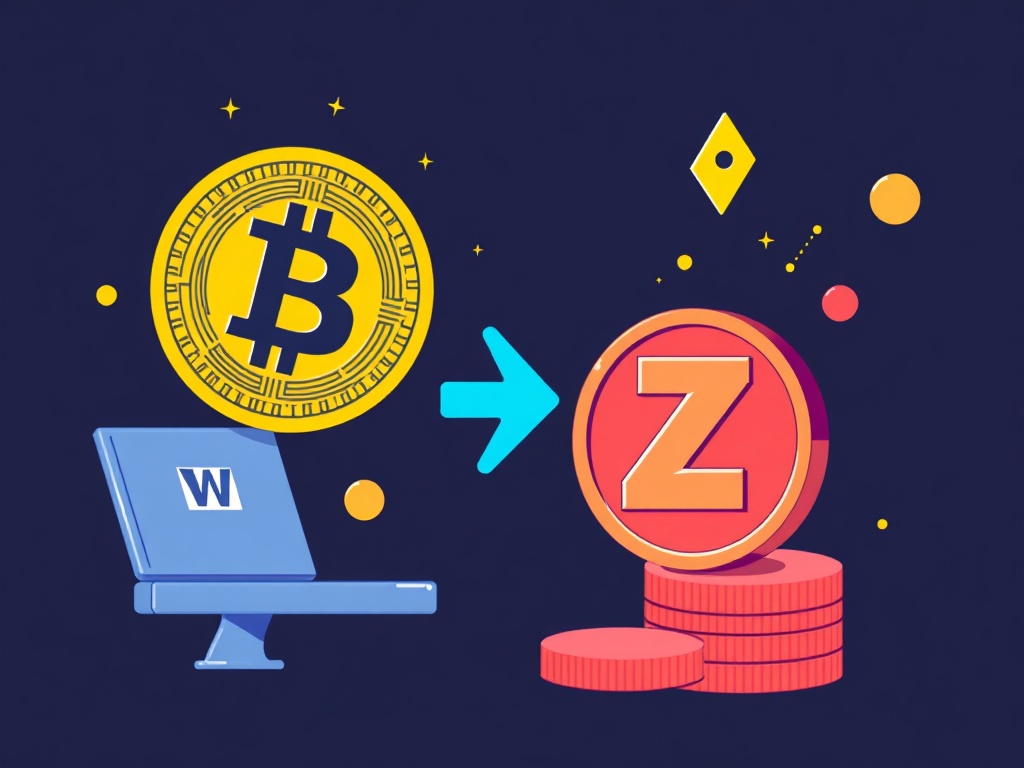
Privacy Coins vs Bitcoin Mixing for Anonymity: A Comprehensive Comparison

In the evolving landscape of digital finance, the debate between privacy coins and Bitcoin mixing services has become a central topic for enthusiasts, investors, and privacy advocates alike. As blockchain transparency increases, the demand for anonymity tools grows, prompting a closer look at how different mechanisms protect user identity. This article dives deep into the mechanics, strengths, and limitations of both approaches, offering a balanced perspective on privacy coins vs bitcoin mixing for anonymity.
Understanding the fundamental differences between these two privacy strategies is essential for anyone seeking to navigate the cryptocurrency space with enhanced confidentiality. While privacy coins are built from the ground up with anonymity in mind, Bitcoin mixing relies on third-party or protocol-level techniques to obfuscate transaction trails. Below, we explore how each works, where they excel, and where they fall short.
Understanding Privacy Coins
Privacy coins are cryptocurrencies designed specifically to obscure sender, receiver, and transaction amount data. Unlike Bitcoin, where every transaction is publicly recorded on a permanent ledger, privacy coins employ advanced cryptographic techniques to ensure that financial activity remains confidential.
What Are Privacy Coins?
Privacy coins utilize a variety of protocols to mask on-chain data. The most common methods include ring signatures, stealth addresses, and zero-knowledge proofs. These technologies work together to break the link between a transaction's origin and destination, making it extremely difficult for external observers to trace funds.
Key Features of Privacy Coins
- Ring Signatures: By mixing a user's transaction with several others, ring signatures hide the actual signer within a group, preventing outsiders from identifying the true sender.
- Stealth Addresses: Each transaction generates a one-time address for the recipient, ensuring that the public ledger does not reveal the final destination of funds.
- zk-SNARKs and zk-STARKs: These zero-knowledge proof systems allow one party to prove a transaction is valid without revealing any underlying data, such as the amount or the parties involved.
Popular Privacy Coins
The most widely recognized privacy-focused cryptocurrencies include Monero, Zcash, and Dash. Monero defaults to ring signatures and stealth addresses, making privacy mandatory for every transaction. Zcash offers optional shielded transactions using zk-SNARKs, giving users the choice between transparency and confidentiality. Dash employs a mixing mechanism called PrivateSend, which pools funds from multiple users to obscure transaction paths.
Bitcoin Mixing and Tumbling Services
Bitcoin mixing, often referred to as tumbling, is a process that breaks the traceability of Bitcoin transactions by pooling coins from multiple users and redistributing them in a way that obscures the original source. While Bitcoin's pseudonymous nature provides some level of privacy, mixing services add an extra layer of obfuscation.
How Bitcoin Mixing Works
When a user sends Bitcoin to a mixing service, the service collects funds from various participants. After a designated mixing period, the service sends out equivalent amounts to the participants, but from new addresses and in randomized quantities. This severs the direct on-chain link between the sender's address and the recipient's address, effectively anonymizing the trail.
Types of Mixers
- Centralized Mixers: Operated by a single entity that manages the mixing process. Users trust the operator to not log or retain information about the transaction origins and destinations.
- Decentralized Mixers: Utilize smart contracts or peer-to-peer protocols to facilitate mixing without a central authority. Examples include CoinJoin implementations that enable collaborative transaction creation among multiple users.
- Protocol-Level Solutions: Innovations like PayJoin allow two parties to jointly create a transaction that blends inputs and outputs, making it harder for blockchain analysis tools to distinguish between sender and receiver.
Risks and Limitations of Bitcoin Mixers
Despite their utility, Bitcoin mixing services come with inherent risks. Centralized mixers require users to trust the operator with sensitive transaction data, creating a single point of failure or potential surveillance. Decentralized mixers, while more trustless, can be complex to use and may offer weaker anonymity sets if participation is low. Additionally, regulatory scrutiny has increased, with many jurisdictions requiring mixers to implement KYC (Know Your Customer) procedures, undermining their privacy purpose.
Privacy Coins vs Bitcoin Mixing for Anonymity: Direct Comparison
When evaluating privacy coins vs bitcoin mixing for anonymity, several critical factors come into play. These include the strength of the anonymity set, resistance to blockchain analysis, user control, and regulatory implications. Below, we compare the two approaches across these dimensions.
Anonymity Sets and Set Size
The size and composition of an anonymity set determine how effective a privacy tool is against deanonymization attempts. Privacy coins typically maintain a large, inherent anonymity set because every transaction follows the same privacy-preserving protocol. In contrast, the anonymity set for Bitcoin mixing depends on the number of active participants at any given time. A small mixing pool significantly reduces privacy guarantees, making it easier for sophisticated analysis to reverse-engineer transactions.
Transaction Graph Analysis
Blockchain analysis firms employ various techniques to deanonymize transactions, including clustering addresses, tracking fund flows, and leveraging machine learning patterns. Privacy coins are specifically designed to frustrate these methods; for example, Monero's RingCT obscures both the sender and the amount, while Zcash's zk-SNARKs hide all transaction metadata. Bitcoin mixing can disrupt basic graph analysis, but advanced forensic tools can sometimes trace patterns through multiple mixing rounds or identify correlations if the mixer retains logs.
Regulatory and Legal Considerations
The regulatory landscape for privacy-enhanced cryptocurrencies is complex. Some governments have expressed concerns that privacy coins could facilitate money laundering or illicit financing, leading to delistings from exchanges or restrictive legislation. Bitcoin mixing services face similar scrutiny, with authorities arguing that they can obscure the movement of funds in criminal investigations. Users must weigh the privacy benefits against potential legal risks, especially if operating in jurisdictions with strict cryptocurrency regulations.
The Role of btcmixer_en2 in the Ecosystem
Within the broader context of Bitcoin privacy tools, services like btcmixer_en2 have emerged as notable options for users seeking to enhance transaction confidentiality. Understanding its place among privacy coins and other mixers provides valuable insight into the current state of anonymity solutions.
What is btcmixer_en2?
btcmixer_en2 refers to a specific Bitcoin mixing service designed to obfuscate transaction trails for Bitcoin users. It operates by collecting incoming deposits, mixing them with funds from other users, and distributing randomized outputs after a set interval. The service aims to provide a straightforward means of breaking on-chain links without requiring users to operate their own nodes or participate in complex CoinJoin arrangements.
Features and Use Cases
btcmixer_en2 typically offers features such as customizable mixing delays, multiple output addresses, and varying fee structures to accommodate different user needs. It is often used by individuals who wish to protect their financial privacy for legitimate reasons, such as preventing commercial tracking, avoiding price manipulation based on public transaction data, or simply maintaining personal financial confidentiality.
Security and Privacy Guarantees
While btcmixer_en2 can effectively mask transaction origins from casual blockchain observers, users should remain aware of the trust requirements inherent in centralized mixing. The service's privacy guarantees depend on its operational security, logging policies, and compliance with local regulations. For those prioritizing maximum anonymity, combining mixing with other privacy-enhancing practices—such as using Tor or VPNs, and avoiding address reuse—can further strengthen confidentiality.
Best Practices for Maintaining Anonymity
Regardless of whether one chooses privacy coins or Bitcoin mixing, following best practices is crucial for maximizing anonymity and minimizing exposure risks.
- Diversify Privacy Tools: Relying on a single method may create gaps in privacy. Combining privacy coins for savings and mixing for occasional Bitcoin transactions can provide layered protection.
- Avoid Address Reuse: Reusing the same addresses facilitates pattern analysis. Generate new addresses for each transaction, whether using privacy coin wallets or Bitcoin mixing services.
- Use Secure Networks: Always route cryptocurrency activities through the Tor network or reputable VPNs to hide IP addresses and prevent network-level surveillance.
- Stay Informed About Regulations: Cryptocurrency regulations evolve rapidly. Regularly review the legal status of privacy coins and mixing services in your jurisdiction to ensure compliance.
- Evaluate Service Reputation: If using a mixing service like btcmixer_en2, research its track record, community feedback, and transparency reports to assess reliability and privacy commitment.
Privacy coins vs bitcoin mixing for anonymity ultimately represents a choice between built-in protocol privacy and external obfuscation techniques. Both have their place in the cryptocurrency ecosystem, and informed users can leverage the strengths of each while remaining mindful of the associated risks and responsibilities.
Final Thoughts
The quest for financial privacy in the digital age is unending. As blockchain analytics become more sophisticated, the tools and techniques for maintaining anonymity must evolve in kind. Privacy coins offer a robust, protocol-level solution that defaults to confidentiality, making them suitable for users who prioritize seamless, always-on privacy. Bitcoin mixing services, on the other hand, provide a flexible, on-demand approach that can be tailored to specific transactions without necessitating a full switch in currency.
As the industry matures, we can expect further innovations in both spaces, driven by user demand, technological advancement, and regulatory developments. Whether you opt for the inherent privacy of coins like Monero or Zcash, or you utilize mixing services to enhance Bitcoin confidentiality, the key lies in staying educated, practicing operational security, and choosing tools that align with your privacy goals and legal environment.
In the final analysis, the decision between privacy coins vs bitcoin mixing for anonymity is not a matter of one being universally superior, but rather of matching the right tool to the right use case. By understanding the mechanics, limitations, and best practices outlined in this article, readers can make more informed choices and navigate the cryptocurrency landscape with greater confidence and confidentiality.