Private Asset Tokenization: Revolutionizing Ownership and Investment in the Digital Age
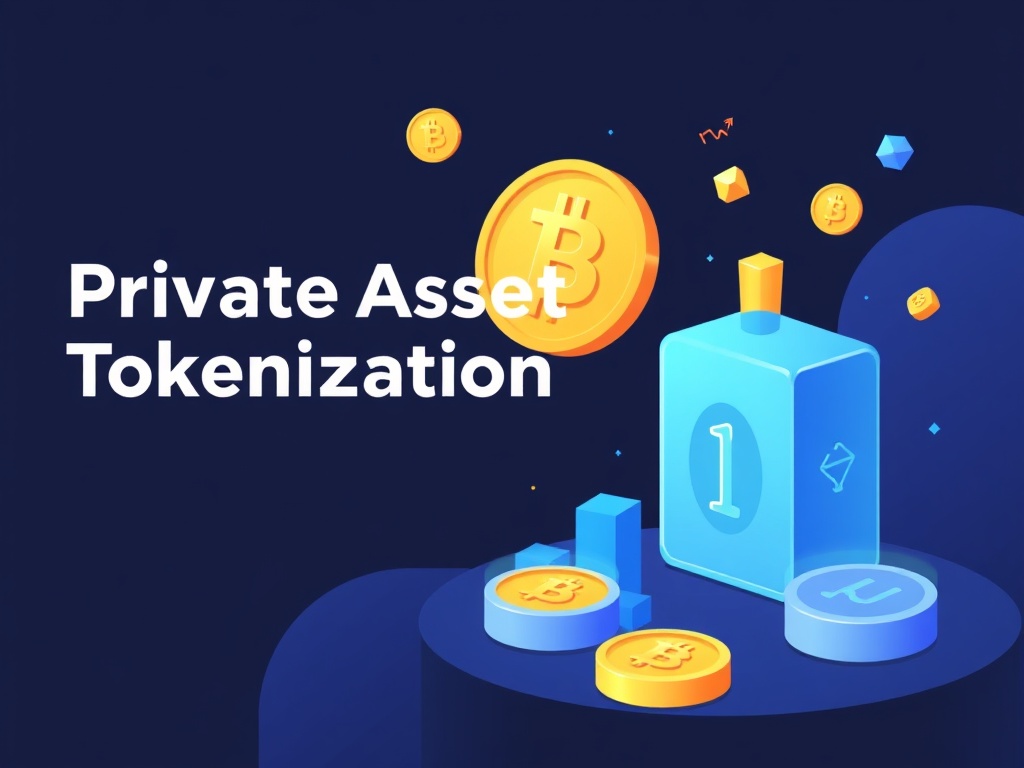
In an era where digital transformation is reshaping industries, private asset tokenization has emerged as a groundbreaking innovation. This process involves converting ownership rights of traditionally illiquid assets—such as real estate, private equity, or fine art—into digital tokens on a blockchain. By leveraging blockchain technology, private asset tokenization enhances liquidity, transparency, and accessibility for investors worldwide.
The concept of private asset tokenization is not just a trend; it represents a fundamental shift in how assets are perceived, traded, and managed. As traditional financial systems face increasing pressure to modernize, tokenization offers a viable solution to long-standing challenges like high transaction costs, limited market access, and inefficient settlement processes. This article explores the intricacies of private asset tokenization, its benefits, challenges, and the future it promises for investors and asset owners alike.
The Fundamentals of Private Asset Tokenization
What Is Private Asset Tokenization?
Private asset tokenization is the process of representing ownership of an asset as a digital token on a blockchain. These tokens are programmable, transferable, and can be traded on secondary markets, providing fractional ownership opportunities. Unlike traditional asset ownership, which often requires significant capital and legal complexities, private asset tokenization democratizes access by allowing investors to purchase fractions of high-value assets.
For example, a $10 million commercial property can be tokenized into 10 million tokens, each representing a $1 share of ownership. Investors can then buy, sell, or trade these tokens without the need for large upfront investments or cumbersome paperwork. This fractionalization is one of the most compelling aspects of private asset tokenization, as it lowers the barrier to entry for retail and institutional investors alike.
How Does Private Asset Tokenization Work?
The process of private asset tokenization typically involves several key steps:
- Asset Selection and Valuation: The first step is identifying a suitable asset for tokenization. This could be real estate, private companies, intellectual property, or even luxury goods. The asset must be appraised to determine its fair market value.
- Legal and Regulatory Compliance: Tokenizing an asset requires adherence to local and international regulations. This may involve structuring the token as a security or utility token, depending on its purpose. Compliance with securities laws, such as the SEC’s regulations in the U.S. or MiCA in the EU, is critical to avoid legal repercussions.
- Blockchain Selection: The choice of blockchain platform is crucial. Ethereum is the most popular due to its smart contract capabilities, but alternatives like Polygon, Binance Smart Chain, or Polkadot are also gaining traction. The blockchain must support the token standard (e.g., ERC-20, ERC-1400) used for the asset.
- Token Creation and Distribution: Once the legal framework is established, the asset is tokenized by creating digital tokens representing ownership. These tokens are then distributed to investors through a token sale, private placement, or secondary market listing.
- Ongoing Management and Compliance: After tokenization, the asset’s performance, dividends, or rental income (if applicable) must be tracked and distributed to token holders. Smart contracts can automate these processes, ensuring transparency and efficiency.
This structured approach ensures that private asset tokenization is not only innovative but also secure and compliant with existing financial regulations.
Types of Assets Suitable for Tokenization
Not all assets are ideal candidates for private asset tokenization. The most suitable assets typically share the following characteristics:
- Illiquid Assets: Assets that are difficult to buy or sell quickly, such as real estate, private equity, or collectibles, benefit the most from tokenization. Tokenization provides liquidity by enabling fractional ownership and secondary market trading.
- High-Value Assets: Assets with high price points, such as luxury real estate or fine art, can be divided into smaller, more affordable units, making them accessible to a broader range of investors.
- Revenue-Generating Assets: Assets that produce income, such as rental properties or dividend-paying stocks, are attractive for tokenization because they can distribute returns directly to token holders via smart contracts.
- Unique or Niche Assets: Assets with limited market availability, such as rare wines, vintage cars, or intellectual property, can gain exposure and liquidity through tokenization.
Examples of assets that have successfully undergone private asset tokenization include:
- A $30 million Manhattan penthouse divided into 30,000 tokens.
- A private equity fund in a tech startup tokenized into tradable shares.
- A collection of rare diamonds tokenized to allow fractional ownership.
These examples highlight how private asset tokenization is unlocking value in sectors that were previously inaccessible to most investors.
Benefits of Private Asset Tokenization
Enhanced Liquidity for Illiquid Assets
One of the most significant advantages of private asset tokenization is the ability to convert illiquid assets into liquid ones. Traditional assets like real estate or private businesses often require months or even years to sell, tying up capital and limiting flexibility. Tokenization solves this problem by enabling fractional ownership and secondary market trading.
For instance, an investor holding a tokenized share of a commercial property can sell their tokens on a decentralized exchange (DEX) or a regulated marketplace without waiting for a buyer to emerge. This liquidity is particularly beneficial for institutional investors who need to rebalance portfolios or exit positions quickly.
Lower Barriers to Entry for Investors
Private asset tokenization democratizes investment opportunities by allowing individuals to purchase fractions of high-value assets. This is a game-changer for retail investors who may not have the capital to buy an entire property or a private company outright.
For example, instead of needing $500,000 to invest in a commercial real estate deal, an investor can buy $5,000 worth of tokens representing a 1% stake. This fractionalization opens doors to asset classes that were previously reserved for the ultra-wealthy or institutional players.
Increased Transparency and Security
Blockchain technology, the backbone of private asset tokenization, provides an immutable and transparent ledger of all transactions. Every token transfer, ownership change, or income distribution is recorded on the blockchain, reducing the risk of fraud or mismanagement.
Additionally, smart contracts automate processes such as dividend payouts or rental income distribution, ensuring that investors receive their entitled returns without delays or errors. This level of transparency builds trust among participants and reduces the need for intermediaries like brokers or custodians.
Cost Efficiency and Reduced Intermediaries
Traditional asset transactions involve multiple intermediaries, including lawyers, brokers, and banks, each adding layers of complexity and cost. Private asset tokenization streamlines this process by leveraging blockchain technology to reduce or eliminate the need for these middlemen.
Smart contracts handle tasks such as compliance checks, ownership transfers, and income distribution, significantly lowering transaction costs. For example, tokenizing a real estate asset can reduce settlement times from weeks to minutes while cutting administrative fees by up to 90%.
Global Accessibility and 24/7 Trading
Unlike traditional markets that operate within specific hours and geographic boundaries, tokenized assets can be traded globally, 24/7. This global accessibility is a major draw for international investors looking to diversify their portfolios without being constrained by local regulations or time zones.
For instance, a European investor can purchase tokens representing a U.S. property and trade them on a blockchain-based exchange without needing to navigate cross-border banking hurdles. This seamless access to global markets is a hallmark of private asset tokenization.
Challenges and Risks of Private Asset Tokenization
Regulatory Uncertainty and Compliance Risks
While private asset tokenization offers numerous benefits, it also faces significant regulatory challenges. The legal status of tokenized assets varies widely across jurisdictions, with some countries embracing the technology while others impose strict restrictions or outright bans.
For example, the U.S. Securities and Exchange Commission (SEC) has taken a cautious approach, classifying many tokenized assets as securities subject to stringent regulations. Similarly, the European Union’s MiCA framework aims to provide clarity but is still evolving. Investors and issuers must navigate this complex regulatory landscape to ensure compliance and avoid legal repercussions.
Key regulatory considerations include:
- Securities Laws: Tokenized assets that represent ownership or profit-sharing may be classified as securities, requiring registration with regulatory bodies.
- Anti-Money Laundering (AML) and Know Your Customer (KYC): Tokenization platforms must implement robust AML and KYC procedures to prevent illicit activities.
- Tax Implications: The tax treatment of tokenized assets varies by country, with some jurisdictions taxing capital gains while others impose VAT or other levies.
Failure to comply with these regulations can result in hefty fines, legal disputes, or even the shutdown of tokenization projects. As such, working with legal experts and compliance professionals is essential for anyone involved in private asset tokenization.
Market Volatility and Liquidity Risks
While tokenization improves liquidity for illiquid assets, it does not eliminate market volatility. The value of tokenized assets can fluctuate based on market conditions, investor sentiment, or external economic factors. For example, a tokenized real estate asset may lose value during a housing market downturn, impacting token holders.
Additionally, the secondary market for tokenized assets may lack depth, meaning that selling tokens quickly could result in significant price slippage. Unlike traditional stock markets, which have high trading volumes and liquidity, many tokenized asset markets are still in their infancy, posing liquidity risks for investors.
Technological and Security Risks
The reliance on blockchain technology introduces its own set of risks. While blockchain is inherently secure, vulnerabilities in smart contracts or the underlying platform can expose tokenized assets to hacks or exploits. For instance, a poorly coded smart contract could be exploited to drain funds from a tokenized asset pool.
Moreover, the decentralized nature of blockchain means that there is no central authority to reverse fraudulent transactions or recover lost funds. Investors must exercise caution when selecting tokenization platforms and ensure that robust security measures, such as multi-signature wallets and audits, are in place.
Adoption and Awareness Gaps
Despite its potential, private asset tokenization is still a relatively niche concept. Many investors and asset owners remain unaware of its benefits or are skeptical about its long-term viability. This lack of awareness can hinder adoption and limit the growth of the tokenization market.
Educating stakeholders—including investors, regulators, and asset owners—about the advantages and risks of private asset tokenization is crucial for driving mainstream adoption. Industry initiatives, partnerships, and pilot projects can help bridge this knowledge gap and build confidence in the technology.
Private Asset Tokenization vs. Traditional Asset Ownership
Liquidity and Accessibility
Traditional asset ownership often requires significant capital, legal expertise, and time to acquire and sell. For example, purchasing a commercial property involves securing financing, conducting due diligence, and navigating complex legal processes. Selling the property can take months, tying up capital and limiting flexibility.
In contrast, private asset tokenization enables fractional ownership, allowing investors to purchase small portions of high-value assets with minimal capital. Tokenized assets can be traded on secondary markets 24/7, providing liquidity that traditional assets lack. This democratization of access is one of the most compelling advantages of tokenization.
Cost and Efficiency
Traditional asset transactions involve multiple intermediaries, including brokers, lawyers, banks, and custodians, each adding layers of cost and complexity. Settlement times can range from days to weeks, and fees can eat into profits.
Private asset tokenization streamlines this process by leveraging blockchain technology to automate tasks such as compliance checks, ownership transfers, and income distribution. Smart contracts reduce the need for intermediaries, cutting transaction costs and settlement times dramatically. For example, tokenizing a real estate asset can reduce administrative fees by up to 90% and settle transactions in minutes rather than weeks.
Transparency and Trust
Traditional asset ownership often suffers from a lack of transparency. Ownership records may be scattered across multiple databases, and tracking income distributions or changes in ownership can be cumbersome. This opacity can lead to disputes, fraud, or mismanagement.
Blockchain technology, the foundation of private asset tokenization, provides a transparent and immutable ledger of all transactions. Every token transfer, ownership change, or income distribution is recorded on the blockchain, reducing the risk of fraud and increasing trust among participants. Smart contracts further enhance transparency by automating processes and ensuring that all parties receive their entitled returns without delays.
Regulatory and Legal Frameworks
Traditional asset ownership is governed by well-established legal and regulatory frameworks that provide clarity and protection for investors. However, these frameworks can also be rigid and slow to adapt to new technologies.
Private asset tokenization operates in a regulatory gray area in many jurisdictions. While some countries have embraced tokenization and provided clear guidelines, others have imposed restrictions or outright bans. Navigating this complex landscape requires careful planning and legal expertise to ensure compliance and mitigate risks.
Investor Base and Market Reach
Traditional asset ownership is often limited to institutional investors, high-net-worth individuals, or local buyers. The barriers to entry—such as high capital requirements, legal complexities, and geographic restrictions—limit market reach and liquidity.
Private asset tokenization expands the investor base by allowing retail investors, international buyers, and even fractional owners to participate. Tokenized assets can be traded globally, 24/7, without the constraints of traditional markets. This increased market reach enhances liquidity and provides opportunities for diversification.
Real-World Use Cases of Private Asset Tokenization
Real Estate Tokenization
Real estate is one of the most popular sectors for private asset tokenization, thanks to its high value and illiquidity. Tokenizing real estate assets allows investors to purchase fractional ownership in properties, such as commercial buildings, residential complexes, or even luxury homes.
For example, RealT, a blockchain-based real estate platform, allows investors to buy tokens representing shares in rental properties. Token holders receive monthly rental income distributed via smart contracts, providing a passive income stream. This model has gained traction in markets like the U.S. and Europe, where high property prices limit access for retail investors.
Another example is Propy, a real estate transaction platform that uses blockchain to tokenize property deeds. By representing ownership as digital tokens, Propy enables seamless transfers, reduces fraud, and increases transparency in real estate transactions.
Private Equity and Venture Capital Tokenization
Private equity and venture capital funds are traditionally reserved for institutional investors or accredited individuals due to high minimum investment requirements. Private asset tokenization is changing this by allowing funds to be divided into tradable tokens.
For instance, Securitize, a compliance platform for tokenized securities, has helped companies like 22X Fund tokenize shares in private startups. Investors can buy and sell tokens representing stakes in these companies, providing liquidity to an otherwise illiquid asset class. This model is particularly appealing to retail investors looking to diversify into early-stage ventures.
Fine Art and Collectibles Tokenization
Fine art and collectibles, such as rare wines, vintage cars, or limited-edition sneakers, are highly illiquid and often require significant capital to acquire. Private asset tokenization is revolutionizing this sector by enabling fractional ownership and secondary market trading.
Platforms like Maecenas and ArtSquare allow investors to buy tokens representing shares in high-value artworks. Token holders can trade their shares on secondary markets or receive a portion of the artwork’s appreciation in value. This model has democratized access to the art market, allowing more people to invest in assets that were previously out of reach.
Intellectual Property and Royalties Tokenization
Intellectual property (IP), such as music rights, patents, or copyrights, can also be tokenized to provide liquidity and revenue-sharing opportunities. For example, musicians can tokenize their royalties, allowing fans or investors to purchase tokens that entitle them to a share of future earnings.
Royal, a blockchain-based platform, enables artists and creators to tokenize their IP and sell tokens representing future royalty streams. This model provides creators with upfront capital while giving investors a stake in the success of the project. Similarly, IPwe is exploring the tokenization of patents, allowing inventors to monetize their IP without selling it outright.
Luxury Goods and High-Value Assets
 Emily Parker
Crypto Investment Advisor
Emily Parker
Crypto Investment Advisor
The Future of Private Asset Tokenization: A Game-Changer for Investors
As a certified financial analyst with over a decade of experience in cryptocurrency investment strategies, I’ve seen firsthand how private asset tokenization is reshaping the investment landscape. Tokenization—the process of converting real-world assets (RWAs) into digital tokens on a blockchain—is unlocking liquidity, accessibility, and efficiency that were previously unimaginable. For institutional and retail investors alike, private asset tokenization represents a paradigm shift, particularly in traditionally illiquid markets like real estate, private equity, and fine art. By fractionalizing ownership and enabling 24/7 trading on secondary markets, tokenization democratizes access to high-value assets while reducing barriers to entry. However, success hinges on robust regulatory compliance, transparent smart contracts, and scalable infrastructure—elements that are only now beginning to mature.
From a practical standpoint, private asset tokenization offers compelling advantages, but it’s not without risks. Investors must prioritize due diligence, focusing on the underlying asset’s valuation, the tokenization platform’s credibility, and the legal framework governing the tokens. For example, a tokenized real estate property in Dubai may offer attractive yields, but its value is tied to local market dynamics and regulatory clarity. Similarly, private equity tokenization can enhance liquidity, yet it requires careful structuring to avoid misalignment with traditional fund terms. As an advisor, I recommend that investors start with regulated platforms—such as those compliant with MiCA in Europe or SEC guidelines in the U.S.—and diversify across tokenized assets to mitigate volatility. The key to long-term success lies in balancing innovation with prudence, ensuring that tokenization serves as a tool for growth rather than a speculative gamble.
The Future of Private Asset Tokenization: A Game-Changer for Investors
As a certified financial analyst with over a decade of experience in cryptocurrency investment strategies, I’ve seen firsthand how private asset tokenization is reshaping the investment landscape. Tokenization—the process of converting real-world assets (RWAs) into digital tokens on a blockchain—is unlocking liquidity, accessibility, and efficiency that were previously unimaginable. For institutional and retail investors alike, private asset tokenization represents a paradigm shift, particularly in traditionally illiquid markets like real estate, private equity, and fine art. By fractionalizing ownership and enabling 24/7 trading on secondary markets, tokenization democratizes access to high-value assets while reducing barriers to entry. However, success hinges on robust regulatory compliance, transparent smart contracts, and scalable infrastructure—elements that are only now beginning to mature.
From a practical standpoint, private asset tokenization offers compelling advantages, but it’s not without risks. Investors must prioritize due diligence, focusing on the underlying asset’s valuation, the tokenization platform’s credibility, and the legal framework governing the tokens. For example, a tokenized real estate property in Dubai may offer attractive yields, but its value is tied to local market dynamics and regulatory clarity. Similarly, private equity tokenization can enhance liquidity, yet it requires careful structuring to avoid misalignment with traditional fund terms. As an advisor, I recommend that investors start with regulated platforms—such as those compliant with MiCA in Europe or SEC guidelines in the U.S.—and diversify across tokenized assets to mitigate volatility. The key to long-term success lies in balancing innovation with prudence, ensuring that tokenization serves as a tool for growth rather than a speculative gamble.