The Best Privacy Coin for Anonymity in 2024: Top Cryptocurrencies for Secure Transactions
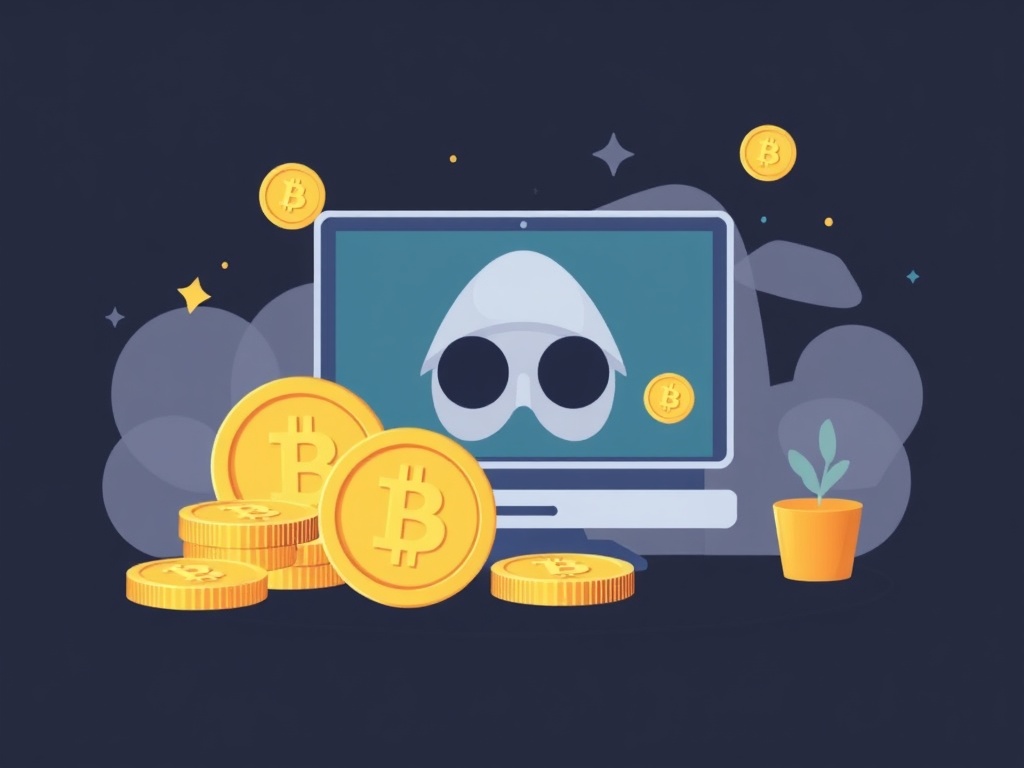
In an era where digital privacy is increasingly under threat, cryptocurrency users are seeking the best privacy coin for anonymity to protect their financial transactions from prying eyes. Unlike Bitcoin and other transparent blockchain networks, privacy coins leverage advanced cryptographic techniques to obscure transaction details, ensuring that sender identities, recipient addresses, and transaction amounts remain confidential.
This comprehensive guide explores the top privacy coins available in 2024, evaluating their features, security mechanisms, and real-world use cases. Whether you're a seasoned crypto investor or a privacy-conscious newcomer, understanding the nuances of these coins will help you make an informed decision when selecting the best privacy coin for anonymity that aligns with your needs.
Why Anonymity Matters in Cryptocurrency Transactions
Cryptocurrencies were originally designed to offer decentralized and pseudonymous transactions. However, many popular coins like Bitcoin and Ethereum operate on public ledgers where transaction histories are permanently recorded and traceable. This transparency, while beneficial for auditing and regulatory compliance, poses significant privacy risks for users.
The Risks of Transparent Blockchains
When using a transparent blockchain, every transaction is linked to a public address, which can often be traced back to an individual's identity through blockchain analysis tools. This process, known as chainalysis, can reveal:
- Transaction histories and spending patterns
- Associations between different addresses
- Potential links to real-world identities via exchanges or wallet providers
For individuals concerned about financial privacy, surveillance, or even personal safety, these risks make transparent cryptocurrencies less than ideal. This is where privacy coins come into play, offering enhanced anonymity through innovative technologies.
How Privacy Coins Achieve Anonymity
The best privacy coin for anonymity employs one or more of the following cryptographic techniques to obscure transaction details:
- Ring Signatures: Used by Monero, this method mixes a user's transaction with others, making it impossible to determine the actual sender.
- Stealth Addresses: Also a feature of Monero, these one-time addresses prevent the recipient's identity from being linked to the blockchain.
- Zero-Knowledge Proofs (ZKPs): Utilized by Zcash and others, ZKPs allow transactions to be verified without revealing any sensitive information.
- CoinJoin: A mixing technique employed by Dash and Bitcoin mixers, which combines multiple transactions to obscure their origins.
By leveraging these technologies, privacy coins provide a level of anonymity that transparent blockchains simply cannot match, making them the best privacy coin for anonymity for users prioritizing financial confidentiality.
Top Contenders for the Best Privacy Coin for Anonymity in 2024
With numerous privacy coins available, selecting the right one can be challenging. Below, we evaluate the leading options based on their anonymity features, adoption, and community support.
1. Monero (XMR) – The Gold Standard of Privacy Coins
Monero (XMR) is widely regarded as the best privacy coin for anonymity due to its robust and battle-tested privacy features. Launched in 2014, Monero was designed from the ground up with privacy as its core principle, making it a favorite among privacy advocates and cybersecurity experts.
Key Features of Monero
- Ring Signatures: Every Monero transaction is signed by a group of possible signers, ensuring that the actual sender cannot be identified.
- Stealth Addresses: These one-time addresses prevent the recipient's identity from being exposed on the blockchain.
- Ring Confidential Transactions (RingCT): Hides the transaction amount, ensuring that even the value sent remains confidential.
- Dynamic Scalability: Monero's block size adjusts dynamically to prevent network congestion and high fees.
Advantages of Monero
- Proven Track Record: Monero has never been successfully de-anonymized, even after years of scrutiny by researchers and governments.
- Strong Community Support: With a dedicated development team and active community, Monero continues to innovate and improve its privacy features.
- Widespread Adoption: Monero is accepted by numerous merchants, exchanges, and payment processors, making it practical for everyday use.
Potential Drawbacks
- Regulatory Scrutiny: Due to its strong privacy features, Monero has faced bans or delistings on several exchanges, including some in South Korea and Japan.
- Transaction Size: Monero's privacy features result in larger transaction sizes compared to transparent coins, leading to slightly higher fees.
2. Zcash (ZEC) – Privacy Through Zero-Knowledge Proofs
Zcash is another leading privacy coin that utilizes zero-knowledge proofs (ZKPs) to ensure transaction privacy. Unlike Monero, which obscures all transaction details by default, Zcash offers users the option to choose between transparent and shielded transactions.
Key Features of Zcash
- zk-SNARKs: Zcash's proprietary zero-knowledge proof technology allows transactions to be verified without revealing sender, recipient, or amount.
- Selective Transparency: Users can opt for transparent transactions if they prefer, though shielded transactions are the default for enhanced privacy.
- Founders' Reward: A portion of mining rewards is allocated to the Zcash Foundation and Electric Coin Company, supporting ongoing development.
Advantages of Zcash
- Strong Cryptographic Backing: Zcash's zk-SNARKs are based on rigorous mathematical proofs, ensuring robust privacy guarantees.
- Regulatory Compliance Potential: Because Zcash offers optional transparency, it may be more palatable to regulators and financial institutions.
- High Adoption in Enterprise: Zcash is used by companies like JPMorgan for privacy-focused blockchain solutions.
Potential Drawbacks
- Optional Privacy: The ability to choose between transparent and shielded transactions may deter users seeking the best privacy coin for anonymity by default.
- Centralization Concerns: The founders' reward system has raised questions about centralization and long-term sustainability.
3. Dash (DASH) – Privacy with a Focus on Usability
Dash, originally forked from Bitcoin, has evolved into a privacy-focused cryptocurrency that combines speed, low fees, and optional anonymity features. While not as private as Monero or Zcash by default, Dash offers a user-friendly approach to privacy through its CoinJoin implementation.
Key Features of Dash
- PrivateSend: Dash's CoinJoin implementation mixes transactions to obscure their origins, providing an optional layer of privacy.
- InstantSend: Enables near-instant transactions, making Dash practical for everyday payments.
- Decentralized Governance: Dash's masternode network allows stakeholders to vote on project developments, ensuring community-driven decision-making.
Advantages of Dash
- User-Friendly: Dash is designed for ease of use, making it accessible to non-technical users who still want privacy options.
- Low Transaction Fees: Dash's efficient network ensures low fees, even during periods of high demand.
- Growing Merchant Adoption: Dash is accepted by thousands of merchants worldwide, including in regions with high inflation rates.
Potential Drawbacks
- Optional Privacy: Like Zcash, Dash's privacy features are optional, which may not satisfy users seeking the best privacy coin for anonymity by default.
- Less Decentralized: Dash's masternode system introduces a level of centralization, as masternode operators have significant influence over the network.
4. Pirate Chain (ARRR) – The Most Anonymous Privacy Coin
Pirate Chain (ARRR) is a relatively newer privacy coin that has gained attention for its commitment to absolute anonymity. Unlike other privacy coins that offer optional privacy features, Pirate Chain ensures that all transactions are private by default.
Key Features of Pirate Chain
- zk-SNARKs and zk-STARKs: Pirate Chain combines zero-knowledge proofs with transparent arguments of knowledge to enhance privacy and security.
- Default Privacy: Every transaction on Pirate Chain is automatically private, with no option for transparency.
- Decentralized Mining: Pirate Chain uses the Equihash algorithm, which is resistant to ASIC mining, promoting decentralization.
Advantages of Pirate Chain
- Absolute Privacy: With all transactions private by default, Pirate Chain is one of the most secure options for users seeking the best privacy coin for anonymity.
- Strong Community: Pirate Chain has a passionate and growing community that actively promotes its use cases.
- Low Transaction Fees: The network is designed to keep fees minimal, making it practical for microtransactions.
Potential Drawbacks
- Limited Adoption: Pirate Chain is not as widely accepted as Monero or Zcash, limiting its practical use in everyday transactions.
- Newer Technology: As a newer coin, Pirate Chain has not undergone the same level of scrutiny as more established privacy coins.
5. Beam (BEAM) – Privacy with a Focus on Scalability
Beam is a privacy coin that leverages the Mimblewimble protocol to offer scalable and confidential transactions. Unlike Monero and Zcash, Beam is designed to be lightweight and efficient, making it an attractive option for users who prioritize both privacy and performance.
Key Features of Beam
- Mimblewimble Protocol: This protocol combines Confidential Transactions and CoinJoin to obscure transaction details while maintaining scalability.
- No Addresses: Beam transactions do not require traditional addresses, further enhancing privacy.
- Opt-In Auditing: Users can optionally provide viewing keys to auditors, allowing for selective transparency without compromising privacy.
Advantages of Beam
- Scalability: Beam's Mimblewimble protocol ensures efficient transaction processing, even as the network grows.
- Lightweight: The protocol is designed to be resource-efficient, making it suitable for mobile and low-power devices.
- Strong Development Team: Beam is backed by a professional team with a focus on innovation and user experience.
Potential Drawbacks
- Optional Auditing: While Beam offers opt-in auditing, this feature may not appeal to users seeking the best privacy coin for anonymity by default.
- Limited Adoption: Beam is not as widely accepted as Monero or Zcash, which may limit its practical use.
Comparing the Best Privacy Coins for Anonymity
To determine the best privacy coin for anonymity, it's essential to compare the leading options based on key factors such as privacy features, adoption, and usability. Below is a detailed comparison to help you make an informed decision.
| Privacy Coin | Privacy Features | Default Privacy | Adoption | Transaction Fees | Scalability |
|---|---|---|---|---|---|
| Monero (XMR) | Ring Signatures, Stealth Addresses, RingCT | Yes | High | Moderate | Good |
| Zcash (ZEC) | zk-SNARKs, Optional Transparency | No | High | Low | Good |
| Dash (DASH) | CoinJoin (PrivateSend), Optional Privacy | No | Medium | Low | Good |
| Pirate Chain (ARRR) | zk-SNARKs, zk-STARKs, Default Privacy | Yes | Low | Low | Moderate |
| Beam (BEAM) | Mimblewimble, Opt-In Auditing | Yes | Low | Low | Excellent |
Based on this comparison, Monero (XMR) stands out as the best privacy coin for anonymity due to its robust privacy features, widespread adoption, and proven track record. However, the choice ultimately depends on your specific needs, such as whether you prioritize default privacy, scalability, or ease of use.
How to Choose the Best Privacy Coin for Anonymity
Selecting the right privacy coin can be a daunting task, especially with so many options available. To help you make an informed decision, consider the following factors:
1. Level of Privacy Required
If your primary goal is absolute anonymity, coins like Monero and Pirate Chain, which offer default privacy, are the best choices. On the other hand, if you're comfortable with optional privacy features, Zcash or Dash may suffice.
2. Adoption and Usability
For practical use in everyday transactions, Monero and Zcash are the most widely accepted. Dash is also a strong contender due to its user-friendly features and growing merchant adoption. Pirate Chain and Beam, while promising, have limited adoption and may not be as practical for everyday use.
3. Transaction Fees and Scalability
If you're concerned about transaction costs, Dash and Zcash typically offer lower fees compared to Monero. Beam, with its Mimblewimble protocol, is also highly scalable and efficient, making it a good choice for users who prioritize performance.
4. Regulatory Considerations
Some privacy coins, like Monero, have faced regulatory scrutiny due to their strong privacy features. If you're concerned about compliance, Zcash or Dash may be more suitable, as they offer optional transparency.
5. Community and Development Support
A strong and active community is crucial for the long-term success of any cryptocurrency. Monero, Zcash, and Dash all have robust communities and ongoing development efforts, ensuring continuous improvement and innovation.
6. Wallet and Exchange Support
Before choosing a privacy coin, ensure that it is supported by reputable wallets and exchanges. Monero, for example, is widely available on major exchanges and has dedicated wallets like the Monero GUI Wallet. Zcash and Dash also have strong wallet support, while Pirate Chain and Beam may have more limited options.
Best Practices for Using Privacy Coins Securely
Even the best privacy coin for anonymity can be compromised if not used correctly. Follow these best practices to maximize your privacy and security when using privacy coins:
1. Use Dedicated Wallets

Selecting the Best Privacy Coin for Anonymity: A Market Analyst’s Perspective
As a Senior Crypto Market Analyst with over a decade of experience in digital asset evaluation, I’ve closely monitored the evolution of privacy-focused cryptocurrencies. When assessing the best privacy coin for anonymity, the criteria extend beyond mere transaction obfuscation—they must balance cryptographic rigor, network adoption, and real-world usability. Monero (XMR) remains the gold standard in this space due to its robust ring signatures, stealth addresses, and confidential transactions, which collectively ensure near-total sender, receiver, and amount anonymity. Unlike privacy-centric alternatives that rely on optional privacy features or centralized mixers, Monero’s privacy is hardcoded into its protocol, making it the most reliable choice for users prioritizing financial confidentiality.
However, the landscape is not static. Zcash (ZEC), with its zk-SNARKs technology, offers selective transparency—allowing users to shield transactions while still enabling auditable disclosures when necessary. This dual approach appeals to institutions and compliance-conscious individuals, though its optional privacy model introduces a trade-off between usability and absolute anonymity. Meanwhile, newer entrants like Pirate Chain (ARRR) and Beam (BEAM) leverage innovative privacy mechanisms, such as zk-SNARKs and Mimblewimble, respectively, but lack the battle-tested security and liquidity of Monero. For most users seeking the best privacy coin for anonymity, Monero’s proven track record, decentralized development, and unwavering commitment to privacy make it the undisputed leader—provided they navigate exchange restrictions and regulatory scrutiny with due diligence.