
Transaction Obfuscation Service: Enhancing Privacy in Digital Asset Transfers and the btcmixer_en2 Perspective
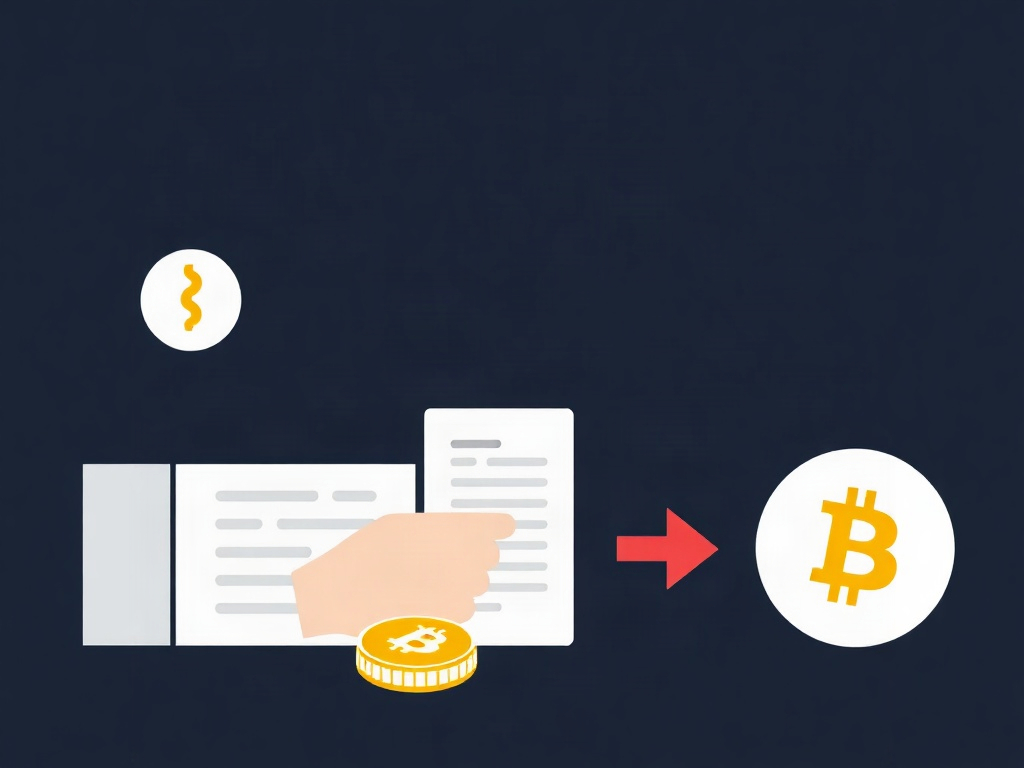
In the rapidly evolving landscape of cryptocurrency and blockchain technology, the demand for privacy-focused solutions has surged dramatically. Users seeking to protect their financial footprints from surveillance, data profiling, and unauthorized tracking increasingly turn to specialized mechanisms designed to obscure on-chain activity. Among these, a transaction obfuscation service represents a sophisticated approach to masking the origins, destinations, and amounts of digital transfers. Unlike basic mixing techniques, modern obfuscation services employ layered cryptographic protocols, dynamic routing, and decentralized coordination to ensure that transaction trails remain virtually untraceable. As regulatory scrutiny intensifies and surveillance tools become more sophisticated, understanding the mechanics, benefits, and limitations of such services becomes essential for both casual users and institutional participants in the digital economy.
The core philosophy behind any transaction obfuscation service is to decouple the sender's identity from the receiver's identity, while simultaneously obfuscating the transferred value. This is achieved through a combination of address rotation, time-delayed outputs, and cryptographic commitments that hide the actual transaction size. In practice, when a user initiates a transfer through such a service, the original transaction is broken into multiple smaller outputs, routed through a series of intermediate wallets, and only settled to the final destination after a predefined latency period. This process effectively severs the direct link between the input and output addresses, rendering standard blockchain analysis tools ineffective.
The Evolution of Transaction Privacy in Digital Currencies
Historical Context and the Need for Obfuscation
The quest for privacy in cryptocurrency is not a recent phenomenon. In the early days of Bitcoin, users quickly realized that the public ledger's transparency meant every transaction was permanently recorded and publicly viewable. While pseudonymity was initially sufficient, the advent of chain analysis firms and sophisticated clustering algorithms changed the landscape entirely. These entities can now de-anonymize users with startling accuracy by tracking fund flows, identifying exchange deposits, and correlating on-chain behavior with off-chain identities. Consequently, the need for a reliable transaction obfuscation service became apparent, not merely for illicit purposes, but for legitimate privacy rights, competitive business intelligence, and protection against targeted harassment or financial discrimination.
Over the years, various approaches have emerged to address these concerns. Early tumblers and mixers relied on simple coinJoin mechanisms, where multiple users pooled their funds and redistributed them in randomized amounts. While effective to a degree, these methods often suffered from timing attacks, output amount analysis, and centralized points of failure. The evolution toward more advanced obfuscation techniques reflects a cat-and-mouse game between privacy advocates and surveillance entities, driving innovation in cryptography, game theory, and decentralized architecture.
From Simple Mixing to Advanced Obfuscation
Modern transaction obfuscation service platforms have moved beyond basic mixing, integrating zero-knowledge proofs, stealth addresses, and multi-hop routing protocols. Zero-knowledge proofs allow a user to prove the validity of a transaction without revealing any underlying data, such as the sender, receiver, or amount. Stealth addresses generate one-time-use destinations for each transaction, ensuring that even if a receiver's public address is known, no two transactions are linkable on the blockchain. Multi-hop routing further complicates analysis by bouncing transactions through a series of independent nodes, each of which only knows the previous and next hop, not the full path. These technological advancements represent a significant leap forward in the pursuit of financial privacy.
How Transaction Obfuscation Services Work
Technical Mechanisms Behind Privacy Layers
Under

Transaction Obfuscation Service: Balancing Privacy, Security, and Regulatory Risk for Investors
As a certified financial analyst with over a decade of experience guiding retail and institutional investors through the evolving cryptocurrency ecosystem, I've seen firsthand how privacy tools can both empower and expose market participants. A transaction obfuscation service, by design, aims to mask on-chain activity, making it more difficult for external parties to trace fund flows, identify counterparties, or analyze portfolio composition. While the allure of enhanced confidentiality is understandable—particularly in an era of heightened surveillance and data harvesting—it's crucial to distinguish between legitimate privacy infrastructure and tools that may inadvertently conflict with compliance frameworks.
From a practical standpoint, the decision to engage a transaction obfuscation service should be framed within the broader context of risk management and portfolio transparency. Institutional investors, in particular, must weigh the operational benefits of obscured transaction trails against fiduciary duties, audit requirements, and the evolving regulatory landscape that increasingly scrutinizes privacy-enhancing technologies. For retail investors, the stakes are equally significant: using these services without a clear understanding of their mechanics, limitations, and potential tax reporting implications can lead to unintended exposure, from deplatforming by compliant exchanges to complications during audits or legal proceedings.
My recommendation to clients is always grounded in due diligence and alignment with overall investment strategy. If privacy is a genuine objective, I advocate for solutions that offer selective disclosure, robust auditing capabilities, and clear documentation trails, rather than "black box" obfuscation that sacrifices accountability. Ultimately, the most sophisticated crypto investors treat transaction obfuscation not as a shortcut to anonymity, but as one component of a diversified, well-informed approach to asset protection and risk mitigation in an increasingly regulated digital asset environment.