Understanding Bitcoin ATM Limits: A Complete Guide for Secure and Efficient Transactions
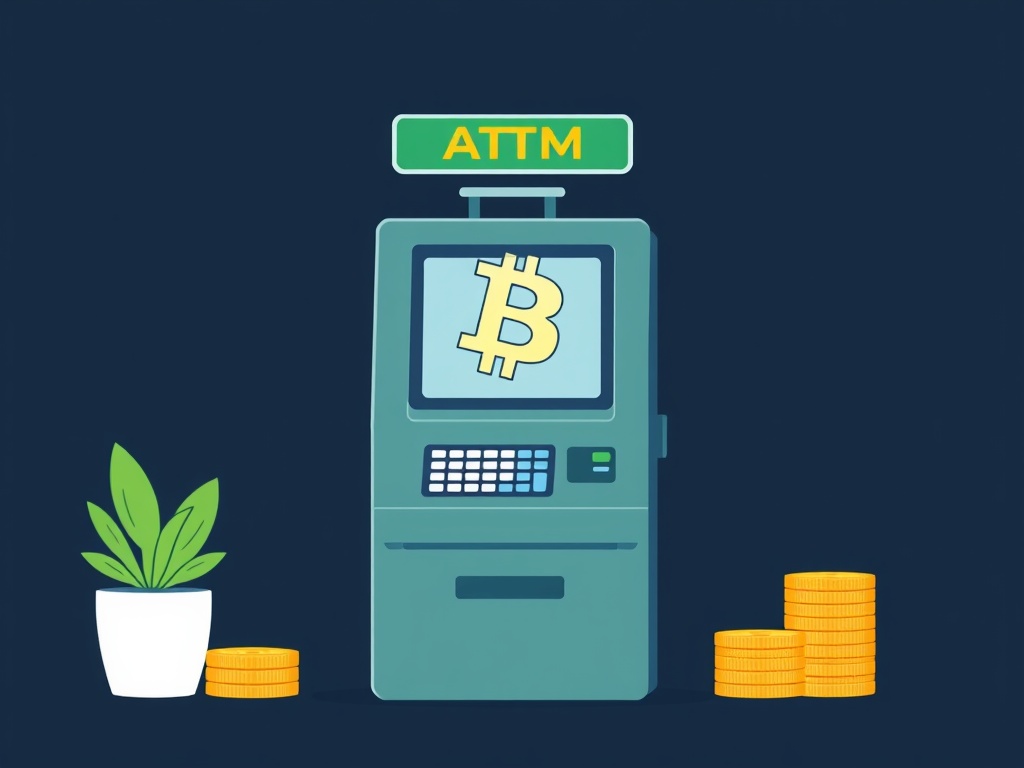
Bitcoin ATMs have revolutionized the way individuals buy and sell cryptocurrency, offering a convenient bridge between digital assets and traditional fiat money. However, one of the most frequently asked questions by users revolves around bitcoin ATM limits. These limits can vary widely depending on several factors, including location, operator policies, and regulatory requirements. Whether you're a first-time user or a seasoned investor, understanding these constraints is crucial for planning your transactions and avoiding unexpected hurdles.
In this comprehensive guide, we’ll explore everything you need to know about bitcoin ATM limits, from daily and transaction-specific caps to the factors that influence them. We’ll also provide practical tips on how to maximize your transaction amounts, verify your identity when necessary, and navigate the verification process smoothly. By the end of this article, you’ll have a clear understanding of how to use Bitcoin ATMs efficiently while staying compliant with local laws.
What Are Bitcoin ATM Limits and Why Do They Exist?
Bitcoin ATM limits refer to the maximum amount of cryptocurrency or fiat currency that can be bought or sold in a single transaction or within a specified time frame, such as 24 hours. These limits are not arbitrary; they are implemented by ATM operators and regulated by financial authorities to prevent fraud, money laundering, and other illicit activities. Bitcoin ATM limits serve as a safeguard for both users and the broader cryptocurrency ecosystem.
There are several key reasons why these limits are enforced:
- Regulatory Compliance: Many countries require cryptocurrency service providers, including Bitcoin ATM operators, to adhere to Anti-Money Laundering (AML) and Know Your Customer (KYC) regulations. Limits help operators stay within legal boundaries.
- Security: By capping transaction amounts, operators reduce the risk of large-scale fraud or theft, protecting both the user and the machine.
- Operational Efficiency: Bitcoin ATMs have technical and financial constraints. Limits ensure that transactions are processed smoothly without overwhelming the system.
- User Protection: New users may not be familiar with the volatility of cryptocurrency prices. Limits can prevent accidental large purchases that users might later regret.
It’s important to note that bitcoin ATM limits are not universal. They can differ significantly from one machine to another, even within the same city. Factors such as the operator’s policies, local laws, and the type of Bitcoin ATM (e.g., one-way vs. two-way) all play a role in determining these thresholds.
Types of Bitcoin ATM Limits
Bitcoin ATMs typically impose two main types of limits: transaction limits and daily limits. Understanding the distinction between these can help you plan your transactions more effectively.
1. Transaction Limits
Transaction limits refer to the maximum amount of Bitcoin or fiat currency that can be bought or sold in a single transaction. For example, a Bitcoin ATM might allow you to purchase up to $10,000 worth of Bitcoin in one go. These limits are often lower for unverified users and higher for those who have completed identity verification.
Common transaction limits for Bitcoin ATMs include:
- $1,000 to $10,000 for unverified users
- $10,000 to $50,000 for verified users
- Higher limits for users who undergo enhanced verification processes
2. Daily Limits
Daily limits cap the total amount of cryptocurrency or fiat currency that can be transacted within a 24-hour period. These limits are designed to prevent users from bypassing transaction limits by making multiple smaller transactions. For instance, a user might be allowed to buy up to $25,000 worth of Bitcoin per day, regardless of how many individual transactions they make.
Daily limits are particularly important for users who need to conduct large transactions, such as investors or businesses. If you exceed your daily limit, you may need to wait until the next day or complete additional verification steps to increase your limit.
3. Monthly Limits
While less common, some Bitcoin ATMs impose monthly limits, especially in regions with strict regulatory oversight. These limits are typically much higher than daily or transaction limits and are intended for high-volume users. For example, a verified user might have a monthly limit of $100,000 or more.
Monthly limits are often tied to the user’s verification level. Completing advanced KYC procedures, such as providing proof of address or a government-issued ID, can significantly increase these limits.
Factors That Influence Bitcoin ATM Limits
Not all Bitcoin ATMs are created equal, and neither are their limits. Several factors can influence the bitcoin ATM limits imposed by a particular machine or operator. Understanding these factors can help you choose the right ATM for your needs and avoid unnecessary restrictions.
1. Regulatory Environment
The most significant factor affecting bitcoin ATM limits is the regulatory environment in the machine’s location. Countries and states with strict AML and KYC laws tend to have lower limits for unverified users. For example, in the United States, Bitcoin ATMs are subject to the Bank Secrecy Act (BSA) and must comply with FinCEN regulations. This often results in lower limits for users who haven’t completed identity verification.
In contrast, countries with more lenient regulations, such as Switzerland or certain states in the EU, may allow higher limits even for unverified users. However, operators in these regions may still impose their own internal limits to mitigate risk.
2. Operator Policies
Each Bitcoin ATM operator sets its own policies regarding transaction and daily limits. Some operators cater to high-volume users and offer generous limits, while others focus on accessibility and impose stricter caps. For example, CoinFlip, one of the largest Bitcoin ATM networks in the U.S., typically allows unverified users to transact up to $900 per day, while verified users can transact up to $25,000 per day.
It’s essential to research the operator’s policies before using a Bitcoin ATM. Many operators display their limits on their websites or directly on the ATM screen. If you’re unsure, you can contact the operator’s customer support for clarification.
3. Type of Bitcoin ATM
Bitcoin ATMs come in two main types: one-way and two-way. The type of ATM you use can impact the bitcoin ATM limits you encounter.
- One-Way ATMs: These machines only allow users to buy Bitcoin with fiat currency. They typically have lower limits compared to two-way ATMs, as they don’t involve the additional complexity of selling cryptocurrency.
- Two-Way ATMs: These machines allow users to both buy and sell Bitcoin. Because selling Bitcoin involves additional steps, such as verifying the blockchain transaction, two-way ATMs often have higher limits. However, they may also impose stricter verification requirements.
If you’re looking to transact large amounts of Bitcoin, a two-way ATM might be a better option, provided you’re willing to complete the necessary verification steps.
4. User Verification Level
Verification is one of the most critical factors influencing bitcoin ATM limits. Most Bitcoin ATMs require some level of identity verification, even for small transactions. The more information you provide, the higher your limits will be.
Here’s a general breakdown of verification levels and their corresponding limits:
- No Verification: For the smallest transactions, some Bitcoin ATMs allow users to transact without any verification. Limits for unverified users typically range from $100 to $900 per day.
- Basic Verification: Providing a phone number or email address can increase your daily limit to $1,000 to $9,000. This is often done through SMS or email verification.
- Enhanced Verification: Submitting a government-issued ID, such as a driver’s license or passport, can raise your daily limit to $10,000 or more. Some operators may also require a selfie or proof of address.
- Advanced Verification: For high-volume users, completing a full KYC process, including proof of address and source of funds, can unlock daily limits of $50,000 or higher.
It’s worth noting that verification requirements can vary widely between operators. Some Bitcoin ATMs may require verification for any transaction over $100, while others may only require it for transactions over $10,000. Always check the machine’s requirements before starting a transaction.
5. Location and Jurisdiction
The physical location of a Bitcoin ATM can also impact its limits. For example, Bitcoin ATMs in high-traffic areas, such as shopping malls or airports, may have higher limits to accommodate large transactions. In contrast, machines in smaller towns or less regulated regions might have stricter caps.
Additionally, some jurisdictions have specific laws governing cryptocurrency transactions. For instance, the state of New York requires Bitcoin ATMs to comply with the BitLicense regulations, which can result in lower limits for unverified users. Always research the local regulations before using a Bitcoin ATM in a new area.
How to Increase Your Bitcoin ATM Limits
If you frequently use Bitcoin ATMs and find the default limits restrictive, there are several steps you can take to increase your bitcoin ATM limits. These steps typically involve completing additional verification or upgrading your account with the operator. Here’s how you can do it:
1. Complete Identity Verification
The most straightforward way to increase your bitcoin ATM limits is to complete the operator’s identity verification process. This usually involves providing a government-issued ID, such as a passport or driver’s license, and possibly a selfie or proof of address. Once verified, your daily and transaction limits will be significantly higher.
For example, CoinFlip allows unverified users to transact up to $900 per day, while verified users can transact up to $25,000 per day. Similarly, Coinme, another popular Bitcoin ATM operator, increases limits from $5,000 to $25,000 for verified users.
2. Provide Additional Documentation
Some operators require additional documentation to increase limits beyond the standard verification level. This may include:
- Proof of address (e.g., utility bill, bank statement)
- Proof of income or source of funds
- Business registration documents (for corporate accounts)
- Enhanced due diligence questionnaires
Providing this documentation can unlock even higher limits, sometimes up to $100,000 or more per day. However, the process may take longer, as operators need to review and approve the documents.
3. Use a Different Bitcoin ATM Operator
If one operator’s limits are too restrictive for your needs, consider using a different Bitcoin ATM network. Some operators specialize in high-volume transactions and offer more generous limits. For example:
- CoinFlip: Up to $25,000 per day for verified users.
- Coinme: Up to $25,000 per day for verified users.
- Bitcoin Depot: Up to $25,000 per day for verified users.
- General Bytes: Limits vary by operator but can reach $100,000 or more for advanced verification.
Researching different operators and comparing their limits can help you find the best option for your transaction needs.
4. Request a Limit Increase
In some cases, you can request a limit increase directly from the Bitcoin ATM operator. This is particularly useful if you have a legitimate need for higher limits, such as running a cryptocurrency business. To request an increase, you may need to:
- Contact the operator’s customer support.
- Provide additional documentation, such as business registration or financial statements.
- Explain the purpose of your transactions (e.g., investment, business operations).
The operator will review your request and may approve a higher limit if they deem it appropriate. Keep in mind that this process can take time, so plan accordingly if you need to make a large transaction soon.
5. Use Multiple Bitcoin ATMs
If you’re unable to increase your limits with a single operator, consider using multiple Bitcoin ATMs to spread out your transactions. For example, if one ATM has a daily limit of $10,000, you could use two different ATMs to transact up to $20,000 in a day. However, be mindful of the operator’s policies, as some may flag multiple transactions as suspicious activity.
Using multiple ATMs can also help you avoid hitting daily limits if you’re transacting close to the cap. Just ensure that you’re following all local regulations and operator guidelines to avoid any issues.
Common Issues with Bitcoin ATM Limits and How to Resolve Them
While Bitcoin ATMs are designed to be user-friendly, users often encounter issues related to bitcoin ATM limits. These problems can range from being unable to complete a transaction due to a low limit to facing unexpected verification requirements. Here are some common issues and how to resolve them:
1. Transaction Declined Due to Low Limit
One of the most frustrating experiences for Bitcoin ATM users is having a transaction declined because it exceeds the machine’s limit. This can happen even if you’ve completed verification, as some operators impose stricter caps based on the machine’s location or technical specifications.
To resolve this issue:
- Check the ATM’s limits: Before starting a transaction, look for a sign or screen displaying the machine’s limits. If the amount you want to transact exceeds the limit, consider using a different ATM or splitting the transaction into smaller amounts.
- Use a different ATM: If one ATM has a low limit, try another machine operated by the same or a different provider. Some operators have ATMs with higher limits in more prominent locations.
- Complete additional verification: If you haven’t already, complete the operator’s identity verification process to increase your limits. This may unlock higher transaction amounts.
2. Verification Requirements Not Clear
Some users are confused by the verification requirements imposed by Bitcoin ATMs. For example, an ATM might ask for a phone number verification for a $500 transaction but require a government ID for a $1,000 transaction. This inconsistency can be frustrating, especially for new users.
To avoid confusion:
- Read the on-screen instructions: Most Bitcoin ATMs display verification requirements on the screen before you start a transaction. Take the time to read these instructions carefully.
- Contact customer support: If you’re unsure about the verification process, contact the operator’s customer support for clarification. They can provide guidance on what’s required for your transaction amount.
- Check the operator’s website: Many Bitcoin ATM operators have detailed FAQs or support pages that explain their verification requirements. Reviewing this information beforehand can save you time and frustration.
3. Daily Limit Reached Unexpectedly
Another common issue is hitting your daily limit unexpectedly, especially if you’re making multiple transactions in a short period. This can be particularly problematic for users who need to transact large amounts quickly.
To manage your daily limits effectively:
- Track your transactions: Keep a record of your Bitcoin ATM transactions to ensure you don’t exceed your daily limit. Some operators provide transaction history on their websites or apps.
- Plan your transactions: If you need to transact a large amount, split it into smaller transactions over multiple days to stay within your daily limit.
- Request a limit increase: If you frequently hit your daily limit, consider completing additional verification to unlock higher limits.
4. Machine Out of Service or Low on Cash
Bitcoin ATMs, like traditional ATMs, can occasionally be out of service or low on cash. This can prevent you from completing a transaction, even if you’re within the machine’s limits. While this isn’t directly related to bitcoin ATM limits, it’s a common issue that can disrupt your plans.
To avoid this problem:
- Check the ATM’s status: Some operators provide real-time status updates on their websites or apps. Check these resources before visiting an ATM to ensure it’s operational.
- Use a backup ATM: If one ATM is out of service, have a backup location in mind. Many operators have multiple ATMs in a given area.
- Contact customer support: If an ATM is consistently out of service, report the issue to the operator’s customer support. They may be able to provide an alternative location or schedule maintenance.
5. Suspicious Activity Flagged

Understanding Bitcoin ATM Limits: Balancing Accessibility and Compliance
As a digital assets strategist with a background in traditional finance and cryptocurrency markets, I’ve observed that bitcoin ATM limits serve as a critical interface between user convenience and regulatory oversight. These limits—typically imposed by operators or mandated by local laws—are not arbitrary; they reflect a deliberate balance between enabling financial inclusion and mitigating risks such as money laundering or fraud. For instance, daily transaction caps often range from $900 to $10,000, depending on jurisdiction and KYC (Know Your Customer) verification levels. While these thresholds may frustrate high-volume users, they are essential for maintaining the operational integrity of ATMs, which operate in a gray area between decentralized finance and traditional banking systems.
From a practical standpoint, bitcoin ATM limits also influence user behavior and market adoption. Retail investors seeking to accumulate bitcoin in smaller, periodic purchases may find these caps advantageous, as they encourage disciplined entry strategies rather than speculative lump-sum investments. Conversely, institutional players or high-net-worth individuals may view these restrictions as a friction point, necessitating alternative on-ramps like OTC desks or exchange platforms. Operators must navigate this tension by offering tiered verification tiers—where higher limits require more stringent identity checks—while ensuring compliance with evolving regulations like the Travel Rule or FATF guidelines. Ultimately, the effectiveness of these limits hinges on transparency: clear communication of thresholds and streamlined verification processes can enhance user trust and reduce abandonment rates at ATMs.