Understanding Interpol Crypto Crimes: How Law Enforcement is Tackling Digital Currency Fraud

Interpol crypto crimes represent one of the most pressing challenges in modern law enforcement. As cryptocurrencies like Bitcoin, Ethereum, and Monero gain mainstream adoption, they also become prime targets—and tools—for cybercriminals. Interpol, the international police organization, has emerged as a critical player in combating crypto-related fraud, money laundering, and ransomware attacks. This article explores the evolving landscape of Interpol crypto crimes, the tactics used by criminals, and the strategies employed by authorities to track, investigate, and prevent these digital offenses.
The rise of cryptocurrencies has revolutionized finance, but it has also created a new frontier for illicit activities. From darknet markets to ransomware demands, crypto transactions leave digital footprints that, when properly analyzed, can lead to the identification of criminals. However, the pseudonymous nature of blockchain technology poses significant hurdles for investigators. This is where Interpol’s specialized units and global coordination come into play, bridging gaps between national jurisdictions and leveraging cutting-edge forensic tools.
In this comprehensive guide, we’ll delve into the mechanisms of Interpol crypto crimes, examine real-world case studies, and discuss the future of digital asset investigations. Whether you're a law enforcement professional, a crypto investor, or simply curious about cybersecurity trends, understanding how Interpol is addressing crypto crimes is essential in today’s interconnected world.
The Rise of Cryptocurrency-Related Crime and Interpol’s Role
How Cryptocurrencies Became a Haven for Cybercriminals
Cryptocurrencies were designed to offer decentralization, speed, and anonymity—features that, while beneficial for legitimate users, also appeal to criminals. The first major wave of Interpol crypto crimes emerged with the proliferation of darknet markets like Silk Road, where Bitcoin was the preferred currency for illegal drug sales and other contraband transactions. Since then, the scope of crypto-related crimes has expanded dramatically, encompassing:
- Ransomware attacks: Cybercriminals demand payment in cryptocurrency to unlock encrypted files, with groups like REvil and DarkSide targeting hospitals, businesses, and government agencies.
- Money laundering: Criminals use mixers, tumblers, and decentralized exchanges to obscure the origin of illicit funds, making it difficult for authorities to trace transactions.
- Investment scams: Ponzi schemes and fake ICOs (Initial Coin Offerings) have defrauded investors of billions, with fraudsters disappearing with victims’ crypto holdings.
- Darknet marketplaces: Platforms like AlphaBay and Hydra facilitated the sale of drugs, weapons, and stolen data, all transacted in cryptocurrencies.
- Phishing and social engineering: Scammers trick victims into revealing private keys or sending crypto directly to fraudulent wallets.
According to a 2023 report by Chainalysis, illicit cryptocurrency transactions reached a record $20.6 billion in 2022, with ransomware payments alone exceeding $457 million. These staggering figures highlight the scale of the problem and underscore the urgency for international cooperation—something Interpol is uniquely positioned to provide.
Interpol’s Global Approach to Combating Crypto Crimes
Interpol’s response to Interpol crypto crimes is multifaceted, involving specialized units, partnerships with private sector entities, and capacity-building initiatives for law enforcement agencies worldwide. The organization’s key strategies include:
- Dedicated Cybercrime Units: Interpol’s Global Complex for Innovation (IGCI) in Singapore houses a dedicated crypto crime unit that provides training, forensic analysis, and investigative support to member countries.
- Project PROTECT: This initiative focuses on disrupting darknet markets and tracing crypto transactions linked to illegal activities. It has led to numerous arrests and seizures globally.
- Collaboration with Blockchain Analytics Firms: Interpol works with companies like Chainalysis, TRM Labs, and Elliptic to analyze blockchain data and identify suspicious transactions.
- Training and Capacity Building: Through programs like the INTERPOL Global Complex for Innovation’s Cyber Research Lab, officers are trained in cryptocurrency forensics, blockchain analysis, and digital evidence handling.
- Public-Private Partnerships: Interpol engages with crypto exchanges, wallet providers, and DeFi platforms to share intelligence and improve compliance with anti-money laundering (AML) regulations.
One of Interpol’s most notable successes in tackling Interpol crypto crimes was the takedown of the darknet market Wall Street Market in 2019. Using blockchain analysis and undercover operations, Interpol and its partners identified the administrators, seized their crypto holdings, and arrested suspects across multiple countries. This case demonstrated the power of international collaboration in addressing crypto-related crimes.
However, challenges remain. The rapid evolution of cryptocurrency technologies—such as privacy coins (Monero, Zcash) and decentralized finance (DeFi) platforms—continues to outpace regulatory frameworks and law enforcement capabilities. Interpol is actively adapting to these changes, but the cat-and-mouse game between criminals and authorities shows no signs of slowing down.
Common Types of Interpol Crypto Crimes and Their Mechanics
Ransomware: The Digital Kidnapping Epidemic
Ransomware attacks have become one of the most lucrative forms of Interpol crypto crimes, with cybercriminals extorting billions from victims annually. In a typical ransomware attack, hackers infiltrate a victim’s system, encrypt critical data, and demand payment in cryptocurrency (usually Bitcoin or Monero) in exchange for a decryption key. The anonymity provided by crypto payments makes ransomware an attractive crime for cybercriminals.
Some of the most notorious ransomware groups include:
- REvil (Sodinokibi): Responsible for high-profile attacks on JBS Foods and Kaseya, demanding ransoms in the tens of millions of dollars.
- DarkSide: The group behind the Colonial Pipeline attack in 2021, which caused fuel shortages across the U.S. East Coast.
- LockBit: A ransomware-as-a-service (RaaS) operation that has targeted thousands of organizations worldwide.
Interpol’s role in combating ransomware involves:
- Coordinating international investigations to identify and apprehend ransomware operators.
- Providing training to law enforcement on digital forensics and crypto tracing.
- Collaborating with cybersecurity firms to develop tools that can decrypt files without paying the ransom.
- Sharing intelligence with financial institutions to freeze and seize ransom payments.
In 2022, Interpol’s Global Complex for Innovation (IGCI) launched Project Blackfin, a global operation targeting ransomware infrastructure. The operation resulted in the seizure of servers, cryptocurrency wallets, and the arrest of several suspects. Despite these successes, ransomware remains a persistent threat, with new variants and tactics emerging regularly.
Cryptocurrency Mixers and Money Laundering: How Criminals Hide Their Tracks
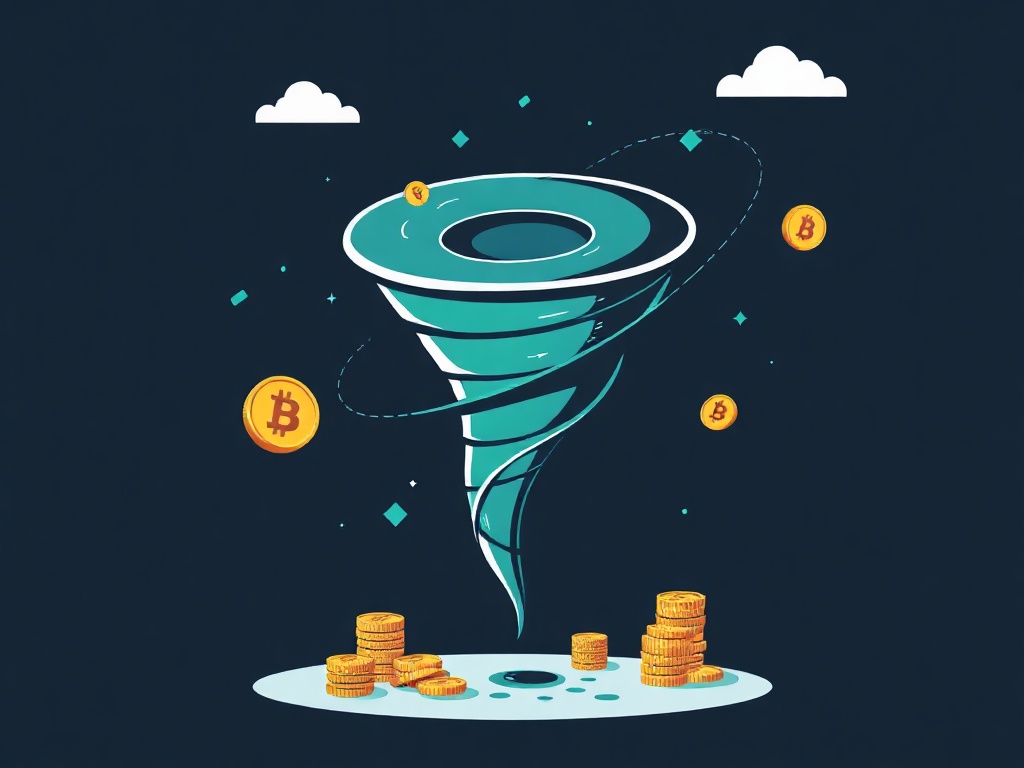
One of the biggest challenges in investigating Interpol crypto crimes is the use of cryptocurrency mixers, also known as tumblers. These services take multiple users’ crypto deposits, mix them together, and redistribute the funds to new addresses, making it nearly impossible to trace the original source of the money. Popular mixers like Tornado Cash, ChipMixer, and Blender.io have been exploited by criminals to launder billions in illicit funds.
For example, in 2022, the U.S. Treasury Department sanctioned Tornado Cash, accusing it of facilitating money laundering for North Korean hackers (Lazarus Group) and other cybercriminals. Interpol has also taken action against mixers, working with blockchain analytics firms to identify and disrupt their operations.
The mechanics of crypto money laundering typically involve three stages:
- Placement: Criminals introduce illicit funds into the crypto ecosystem, often by purchasing cryptocurrency with cash or through fraudulent means.
- Layering: The funds are moved through multiple transactions, mixed with legitimate funds, and routed through mixers or decentralized exchanges (DEXs) to obscure their origin.
- Integration: The laundered funds are reintroduced into the economy, often through investments in legitimate businesses or converted back to fiat currency via compliant exchanges.
Interpol’s strategies to combat crypto money laundering include:
- Enhancing AML/CFT (Anti-Money Laundering/Counter-Terrorism Financing) Regulations: Interpol works with governments to strengthen laws requiring crypto exchanges to implement Know Your Customer (KYC) and AML procedures.
- Blockchain Forensics: Using tools like Chainalysis Reactor and TRM Forensics, Interpol traces illicit transactions across multiple blockchains.
- Targeting Mixer Operators: Interpol collaborates with financial authorities to identify and prosecute operators of mixers and other anonymity-enhancing services.
- Public Awareness Campaigns: Educating the public and businesses about the risks of using unregulated mixers and the importance of due diligence in crypto transactions.
Despite these efforts, the decentralized nature of cryptocurrencies makes it difficult to eliminate money laundering entirely. However, Interpol’s proactive approach is gradually closing loopholes and increasing the risks for criminals involved in Interpol crypto crimes.
Darknet Markets and the Illicit Trade in Cryptocurrencies
Darknet markets have long been a cornerstone of Interpol crypto crimes, providing a platform for the sale of illegal goods and services. These marketplaces operate on the dark web, accessible only through anonymity-preserving tools like Tor or I2P. Transactions are conducted in cryptocurrencies, with Bitcoin being the most commonly used due to its widespread adoption.
Some of the most infamous darknet markets include:
- Silk Road: The first major darknet market, shut down by the FBI in 2013, with its founder Ross Ulbricht sentenced to life in prison.
- AlphaBay: One of the largest darknet markets before its takedown in 2017, which led to the arrest of its administrator, Alexandre Cazes.
- Hydra: A Russian-language darknet market that dominated the illicit drug trade before being seized by German authorities in 2022.
- WannaCry Market: A newer darknet market that emerged after the takedown of Hydra, specializing in stolen data and hacking services.
Interpol’s role in combating darknet markets involves:
- Undercover Operations: Infiltrating darknet markets to gather intelligence on vendors and buyers.
- Blockchain Tracing: Following the flow of cryptocurrency from darknet transactions to identify suspects.
- International Coordination: Collaborating with agencies like the FBI, Europol, and national cybercrime units to coordinate takedowns.
- Seizing Assets: Freezing and confiscating cryptocurrency wallets linked to darknet market operations.
In 2021, Interpol’s Operation Dark HunTor resulted in the arrest of over 150 suspects across Europe and the U.S., with more than $31 million in cash and cryptocurrency seized. This operation demonstrated the effectiveness of international collaboration in dismantling darknet market infrastructures.
However, the decentralized and ever-evolving nature of darknet markets means that new platforms emerge as soon as old ones are shut down. Interpol continues to adapt, using advanced analytics and proactive policing to stay ahead of criminals involved in Interpol crypto crimes.
How Interpol Tracks and Investigates Crypto Crimes
The Role of Blockchain Forensics in Crypto Crime Investigations
Blockchain forensics is the cornerstone of modern crypto crime investigations, enabling law enforcement to trace transactions, identify suspects, and build cases against criminals involved in Interpol crypto crimes. Unlike traditional financial systems, blockchain transactions are public and immutable, meaning every transfer is recorded on a distributed ledger. While this transparency is a strength, it also presents challenges due to the pseudonymous nature of crypto addresses.
Key blockchain forensics techniques used by Interpol and its partners include:
- Address Clustering: Grouping multiple crypto addresses controlled by the same entity to identify patterns and connections.
- Transaction Graph Analysis: Mapping the flow of funds between addresses to trace the movement of illicit assets.
- Exchange Linking: Identifying when crypto is moved to or from regulated exchanges, which often have KYC requirements that can reveal the identity of users.
- Mixing Service Detection: Tracking funds through mixers to determine their origin and destination.
- Smart Contract Analysis: Investigating DeFi protocols and smart contracts used in money laundering schemes.
Tools like Chainalysis, TRM Labs, and CipherTrace are widely used by Interpol to analyze blockchain data. These platforms provide visualizations of transaction flows, risk scores for addresses, and alerts for suspicious activity. For example, if a wallet linked to a ransomware attack suddenly receives a large sum of Bitcoin, blockchain forensics can help investigators trace the funds back to the attacker’s identity.
However, privacy coins like Monero (XMR) and Zcash (ZEC) pose significant challenges for investigators. These cryptocurrencies use advanced cryptographic techniques to obscure transaction details, making it nearly impossible to trace funds without specialized tools. Interpol is actively researching methods to analyze privacy coin transactions, but the technology remains a hurdle in many investigations.
Collaboration with Crypto Exchanges and Financial Institutions
Interpol’s success in combating Interpol crypto crimes relies heavily on its partnerships with crypto exchanges, financial institutions, and regulatory bodies. These collaborations enable the sharing of intelligence, the freezing of illicit funds, and the identification of suspects. Here’s how Interpol works with these entities:
- KYC and AML Compliance: Interpol encourages crypto exchanges to implement robust Know Your Customer (KYC) and Anti-Money Laundering (AML) procedures. Exchanges that fail to comply with regulations risk sanctions or shutdowns.
- Suspicious Activity Reporting (SAR): Exchanges are required to report suspicious transactions to financial authorities, who then share this information with Interpol. For example, if an exchange detects a user sending large sums of Bitcoin to a known darknet market address, it can flag the transaction for investigation.
- Freezing and Seizing Funds: When Interpol identifies a wallet linked to criminal activity, it works with exchanges and financial institutions to freeze the funds and prevent them from being moved. In some cases, these funds are seized and returned to victims or used to compensate affected parties.
- Joint Investigations: Interpol often collaborates with exchanges during active investigations. For example, if a ransomware gang demands payment in Bitcoin, Interpol can work with the exchange to trace the transaction and identify the recipient’s identity.
- Training and Capacity Building: Interpol provides training to exchange compliance teams on identifying and reporting suspicious activity. This includes workshops on blockchain forensics, red flags for money laundering, and best practices for handling crypto-related crimes.
One notable example of this collaboration is Interpol’s partnership with Binance, one of the world’s largest crypto exchanges. In 2021, Binance assisted Interpol in tracking down the perpetrators of a $60 million Bitcoin scam. By analyzing transaction patterns and sharing data with law enforcement, Binance helped identify the suspects, leading to their arrest in multiple countries.
However, challenges persist. Some exchanges operate in jurisdictions with lax regulations, allowing criminals to exploit loopholes. Additionally, decentralized exchanges (DEXs) and peer-to-peer (P2P) platforms do not require KYC, making them attractive to criminals. Interpol is working to address these issues by advocating for global regulatory standards and encouraging exchanges to adopt best practices.
Undercover Operations and Digital Stings
Undercover operations are a critical tool in Interpol’s arsenal against Interpol crypto crimes, particularly in cases involving darknet markets, ransomware gangs, and investment scams. These operations involve law enforcement agents infiltrating criminal networks, gathering intelligence, and setting traps to catch suspects.
Some of the most successful undercover operations include:
- Operation Onymous (2014): A coordinated takedown of multiple darknet markets, including Silk Road 2.0, resulting in the arrest of 17 suspects and the seizure of $1 million in Bitcoin.
 Sarah MitchellBlockchain Research Director
Interpol Crypto Crimes: The Evolving Threat Landscape in Digital Asset Security
As the Blockchain Research Director with eight years of experience in distributed ledger technology, I’ve witnessed firsthand how cryptocurrency-related crimes have become increasingly sophisticated, often outpacing traditional law enforcement capabilities. Interpol’s growing focus on crypto crimes reflects a critical shift in global cybersecurity priorities. While blockchain’s transparency offers unparalleled traceability, bad actors exploit gaps in cross-border coordination, jurisdictional ambiguities, and the anonymity of decentralized networks. My work in smart contract security has shown that even well-audited protocols can be compromised through social engineering or zero-day exploits, underscoring the need for proactive threat intelligence and real-time monitoring. Interpol’s initiatives, such as the Global Complex for Innovation in Singapore, are steps in the right direction, but the decentralized nature of crypto demands a more agile, multi-stakeholder response.
Practically speaking, combating Interpol crypto crimes requires a layered defense strategy. Financial institutions and DeFi platforms must integrate AI-driven anomaly detection to flag suspicious transactions, while regulators should enforce stricter KYC/AML standards for centralized exchanges. Cross-chain interoperability solutions, though revolutionary, introduce new attack vectors—smart contract bridges, for instance, have been targeted in high-profile exploits. My research emphasizes the importance of decentralized identity frameworks to mitigate fraud without sacrificing user privacy. Collaboration between Interpol, private sector experts, and blockchain developers is non-negotiable. The future of crypto security hinges on balancing innovation with resilience, ensuring that law enforcement and innovators stay one step ahead of malicious actors.