Understanding Money Laundering Law in the Cryptocurrency Era: A Comprehensive Legal Guide
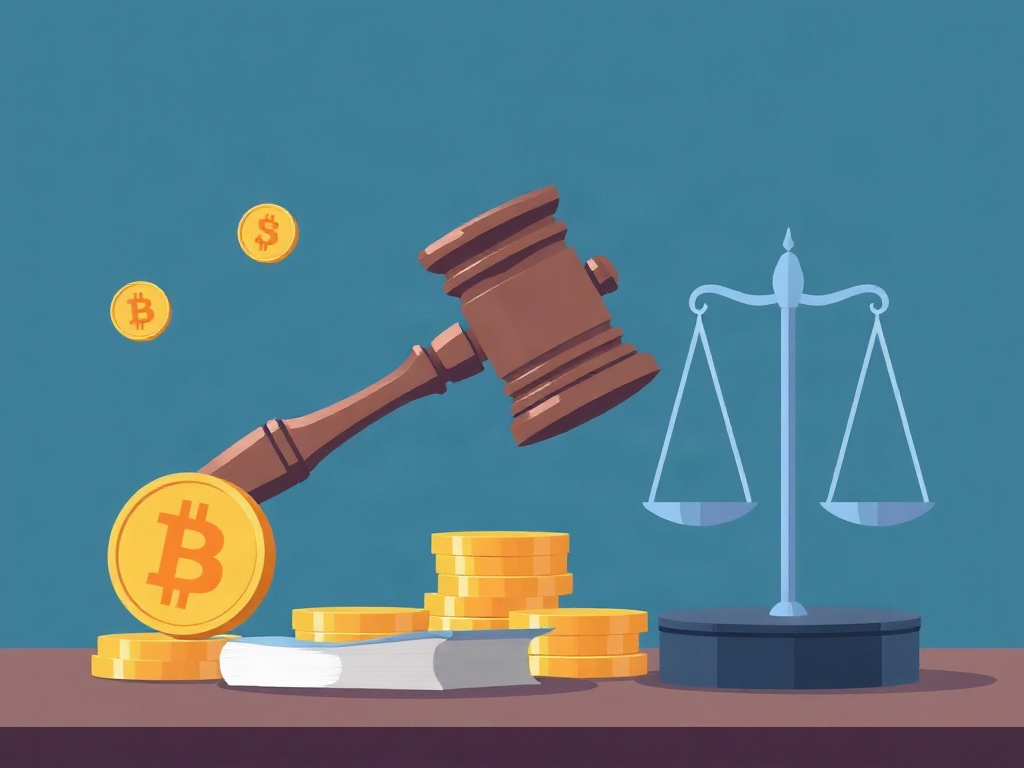
The rapid evolution of digital assets has forced legal systems worldwide to confront one of the most complex financial crime challenges of the 21st century. Money laundering law cryptocurrency regulations have become a defining battleground where innovation, privacy, and law enforcement intersect. As blockchain technology reshapes how value moves across borders, governments are racing to close loopholes while preserving the legitimate benefits of decentralized finance.
This guide explores the legal landscape governing cryptocurrency-related money laundering, offering clarity for compliance officers, legal professionals, crypto entrepreneurs, and informed investors who must navigate increasingly strict enforcement regimes.
The Fundamentals of Money Laundering Law and How It Applies to Cryptocurrency
Money laundering, at its core, involves disguising the origins of illegally obtained funds to make them appear legitimate. Traditional anti-money laundering (AML) frameworks were designed for banks, financial institutions, and cash-based transactions. However, the pseudonymous and borderless nature of cryptocurrency has compelled regulators to reinterpret these principles for the digital age.
The Three Classical Stages Applied to Crypto
Most legal systems recognize three stages of money laundering, and each one translates into the cryptocurrency context in unique ways:
- Placement: In the crypto world, placement typically involves converting illicit cash into digital assets through exchanges, peer-to-peer platforms, or automated teller machines that support crypto purchases.
- Layering: This stage is where cryptocurrency truly excels for launderers. Funds can be split across thousands of wallets, routed through mixing services, swapped across multiple blockchains, and fragmented through decentralized finance protocols.
- Integration: The final step brings cleaned funds back into the legitimate economy, often through real estate purchases, luxury goods, business investments, or converting back to fiat currency through regulated exchanges.
The principles remain consistent, but the tools and techniques have evolved dramatically. This evolution explains why traditional money laundering law cryptocurrency frameworks have required substantial updates over the past decade.
Major International Frameworks Governing Cryptocurrency Money Laundering
Global coordination has become essential because digital assets do not respect national boundaries. Several influential organizations shape how individual countries draft and enforce their AML laws.
Financial Action Task Force (FATF) Guidelines
The FATF serves as the international standard-setting body for anti-money laundering efforts. In 2019, the organization extended its "Travel Rule" to virtual asset service providers (VASPs), requiring them to collect and transmit identifying information about transaction participants. This rule has become the cornerstone of international money laundering law cryptocurrency enforcement.
FATF recommendations now require VASPs to be licensed or registered, maintain customer due diligence procedures, report suspicious transactions, and implement robust record-keeping practices. Countries that fail to comply with these standards risk being placed on the FATF "grey list" or "black list," which can severely impact their international financial relationships.
European Union's AML Directives
The European Union has progressively tightened its stance on cryptocurrency transactions. The 5th and 6th AML Directives expanded the scope of regulated entities to include custodian wallet providers and cryptocurrency exchanges. Most significantly, the upcoming AML Regulation and the establishment of a new EU Anti-Money Laundering Authority (AMLA) will create direct, harmonized rules applicable across all member states.
These regulations will require full transaction traceability, including for privacy-focused coins and self-custody wallets above certain thresholds. The EU's approach represents one of the most comprehensive attempts to standardize money laundering law cryptocurrency enforcement in a major economic bloc.
United States Regulatory Approach
In the United States, multiple agencies share jurisdiction over cryptocurrency-related financial crime. The Financial Crimes Enforcement Network (FinCEN) treats crypto exchanges as money service businesses subject to the Bank Secrecy Act. The Department of Justice (DOJ) prosecutes criminal cases, while the Securities and Exchange Commission (SEC) and Commodity Futures Trading Commission (CFTC) assert authority based on how specific tokens are classified.
The Infrastructure Investment and Jobs Act of 2021 expanded reporting requirements for digital asset brokers, though implementation has been contested. Additionally, the Anti-Money Laundering Act of 2020, passed as part of the National Defense Authorization Act, included the most significant AML reforms in decades, with explicit provisions affecting cryptocurrency businesses.
Enforcement Actions and Case Studies in Cryptocurrency Money Laundering
Theory becomes reality through enforcement actions. Several landmark cases illustrate how money laundering law cryptocurrency provisions function in practice and what penalties offenders face.
The BitMEX Case
In one of the most prominent enforcement actions, the founders and executives of BitMEX, a major cryptocurrency derivatives exchange, faced charges including willful violations of the Bank Secrecy Act. The platform allegedly failed to implement adequate AML programs despite processing billions of dollars in transactions. The case resulted in significant fines and demonstrated that senior executives face personal criminal liability for AML failures.
Tornado Cash and Sanctions Implications
The U.S. Treasury's sanctions against Tornado Cash, a cryptocurrency mixing service, marked a watershed moment. Authorities argued that the protocol facilitated money laundering on an unprecedented scale. The case raised complex questions about whether immutable smart contracts can be designated as sanctioned entities and what this means for developers who create privacy-preserving tools.
International Cooperation Cases
Cross-border cooperation has become increasingly common. Operations involving Europol, Interpol, the FBI, and various national agencies have dismantled networks that used cryptocurrency to launder proceeds from drug trafficking, human trafficking, ransomware attacks, and sanctions evasion. These cases demonstrate that while crypto can be pseudonymous, it is also permanently recorded on public blockchains, often making investigation more transparent than traditional cash-based crime.
Compliance Requirements for Cryptocurrency Businesses
For businesses operating in the cryptocurrency space, compliance is no longer optional. Understanding and implementing effective AML programs is essential for legal operation and long-term viability.
Know Your Customer (KYC) Procedures
Rigorous customer identification remains the foundation of any AML program. Cryptocurrency businesses must verify customer identities using government-issued documents, biometric data, and supplementary verification methods. Enhanced due diligence is required for high-risk customers, including politically exposed persons (PEPs) and individuals from high-risk jurisdictions.
The verification process typically includes:
- Collection of full legal name, address, date of birth, and identification numbers
- Verification of identity documents through trusted third-party services
- Screening against sanctions lists, politically exposed persons databases, and adverse media
- Ongoing monitoring of customer transactions for suspicious patterns
- Periodic re-verification to ensure information remains current
Transaction Monitoring and Reporting
Effective transaction monitoring systems analyze blockchain data alongside customer information to identify patterns indicative of money laundering. Red flags include:
- Sudden large transactions inconsistent with a customer's profile
- Rapid movement of funds through multiple wallets
- Interactions with known mixing services or darknet markets
- Structured transactions designed to evade reporting thresholds
- Funds originating from or destined for sanctioned addresses
Suspicious Activity Reports (SARs) must be filed with relevant authorities when businesses detect potentially illicit activity. The threshold for filing is often lower than the certainty required for other compliance actions; suspicion alone triggers reporting obligations.
Travel Rule Implementation
The Travel Rule requires that information about transaction originators and beneficiaries accompany transfers above certain thresholds (typically $1,000 or €1,000). Implementation in the crypto space has proven challenging because it requires interoperability between different service providers and technical solutions to securely transmit sensitive data.
Several protocols and standards have emerged to facilitate Travel Rule compliance, including solutions developed by industry consortia. However, full implementation remains uneven across jurisdictions, creating potential gaps that sophisticated actors may exploit.
The Future of Money Laundering Law in the Cryptocurrency Context
Regulatory evolution continues at a rapid pace, with several emerging trends likely to shape the coming years of money laundering law cryptocurrency enforcement.
Central Bank Digital Currencies (CBDCs) and Traceability
Many countries are developing or piloting central bank digital currencies, which offer built-in traceability features. While CBDCs are primarily designed for monetary policy and financial inclusion purposes, they inherently provide transaction monitoring capabilities that could complement existing AML frameworks.
Decentralized Finance Regulation
Decentralized finance (DeFi) presents unique regulatory challenges because protocols operate without traditional intermediaries. Regulators are grappling with questions about liability for protocol developers, governance token holders, and liquidity providers. Future frameworks may impose obligations at the protocol level or require front-end interfaces to implement compliance measures.
Privacy Coins and Zero-Knowledge Proofs
Privacy-enhancing technologies, including zero-knowledge proofs used by coins like Zcash and Monero, create tension between legitimate privacy interests and AML objectives. Regulators may require exchanges to delist privacy coins, restrict their use within regulated environments, or demand technological solutions that allow compliance without compromising fundamental privacy protections.
Artificial Intelligence in Compliance
Machine learning and artificial intelligence are increasingly deployed for transaction monitoring, sanctions screening, and risk assessment. These technologies can identify complex patterns invisible to rule-based systems, though they also raise questions about algorithmic transparency and bias.
Balancing Innovation and Regulation
The challenge for policymakers is crafting money laundering law cryptocurrency frameworks that effectively combat financial crime without stifling legitimate innovation. Overly restrictive regulations risk driving activity to less compliant jurisdictions, while insufficient oversight allows criminal exploitation of the technology.
Effective regulation likely requires several elements working in concert: clear jurisdictional standards, technology-neutral rules that apply to functions rather than specific technologies, proportionate compliance requirements scaled to risk levels, meaningful international cooperation, and constructive engagement with industry stakeholders who often possess technical expertise regulators lack.
For businesses operating in this space, proactive compliance represents both a legal obligation and a competitive advantage. Companies that build robust AML programs earn regulatory goodwill, attract institutional partners, and position themselves for sustainable growth as the regulatory environment matures. Conversely, those that treat compliance as an afterthought face existential risks from enforcement actions, financial penalties, and reputational damage.
As cryptocurrency continues its march toward mainstream financial integration, money laundering law cryptocurrency compliance will only grow more sophisticated, more globally coordinated, and more consequential for everyone participating in the digital asset economy. Understanding these frameworks today prepares stakeholders for the regulatory landscape of tomorrow.

Understanding Money Laundering Law in the Cryptocurrency Landscape
As a crypto investment advisor with over a decade of experience navigating digital asset markets, I have witnessed firsthand how evolving money laundering law cryptocurrency regulations are reshaping the industry. Governments worldwide are rapidly updating their anti-money laundering (AML) frameworks to address the pseudonymous nature of blockchain transactions. The Financial Action Task Force (FATF) guidance, particularly the "Travel Rule," now requires virtual asset service providers to collect and share originator and beneficiary information for transfers above certain thresholds. For investors, this means stricter compliance protocols at exchanges, including enhanced Know Your Customer (KYC) procedures and suspicious activity reporting. While these measures may seem burdensome, they ultimately strengthen market legitimacy and protect legitimate participants from association with illicit finance.
From a practical standpoint, I advise my clients to prioritize platforms with robust regulatory compliance, transparent audit trails, and proper licensing in reputable jurisdictions such as the European Union, Singapore, or the United States. Decentralized finance protocols and non-compliant exchanges carry heightened regulatory risk, and funds passing through them may face freezing or seizure. Investors should also maintain meticulous records of their transaction history, wallet addresses, and counterparty details. Documentation is not merely administrative hygiene; it is your first line of defense if questions arise regarding the provenance of your assets. Additionally, understanding jurisdiction-specific obligations is critical, as money laundering law cryptocurrency provisions vary significantly between the Bank Secrecy Act in the United States, the AMLD frameworks in Europe, and emerging regulations across Asia-Pacific markets.
Looking ahead, the convergence of traditional finance oversight with blockchain analytics tools such as Chainalysis and Elliptic will make crypto transactions increasingly traceable. This trend benefits compliant investors by reducing systemic risk and attracting institutional capital that demands regulatory clarity. However, it also raises the importance of source-of-wealth verification and tax compliance. My recommendation is straightforward: treat your crypto portfolio with the same regulatory seriousness as any traditional investment account. Engage qualified legal counsel, use regulated custodians, and never assume that blockchain anonymity offers protection from enforcement actions. The regulatory tide has turned, and proactive compliance is no longer optional but foundational to sustainable participation in the digital asset economy.