Understanding the Mixer Address Whitelist for btcmixer_en2
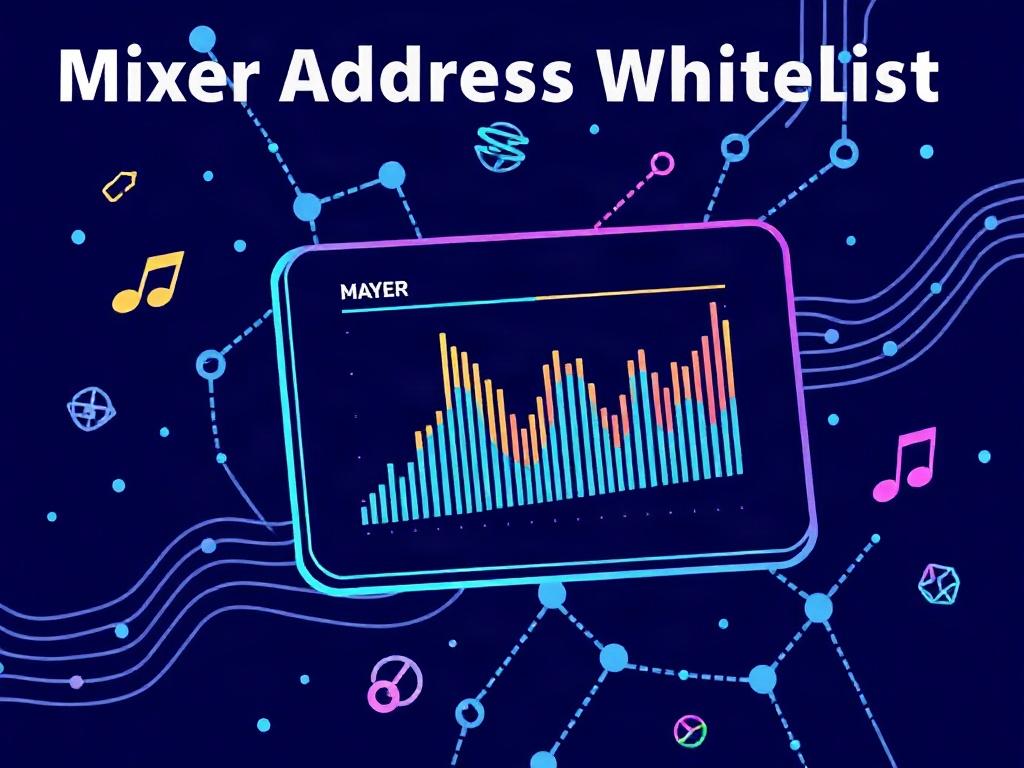
The evolution of cryptocurrency mixing services has brought increased scrutiny on privacy tools, regulatory compliance, and user safety. Among the most critical features modern mixers implement is the address whitelist—a mechanism designed to balance anonymity with security. In the context of btcmixer_en2, the mixer address whitelist serves as a curated list of approved destination addresses that users can interact with after verification. This article dives deep into how the system works, why it matters, and how operators and users can leverage it effectively.
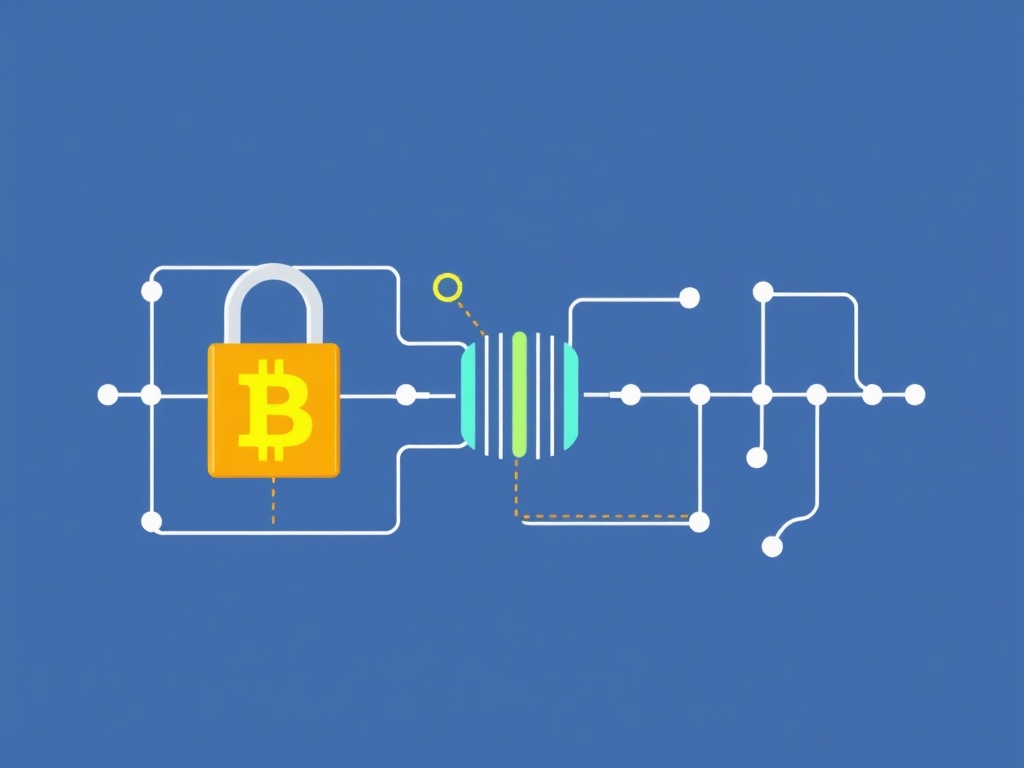
At its core, a mixer address whitelist is a predefined set of Bitcoin or altcoin addresses that have been vetted and authorized by the mixer's administration. Unlike open mixing pools where any address can receive funds, a whitelist restricts outbound transactions to approved recipients only. This approach reduces the risk of funds being sent to fraudulent, blacklisted, or accidentally incorrect destinations. For btcmixer_en2, this feature is particularly relevant given the platform's commitment to both user privacy and operational transparency.
Implementing a mixer address whitelist involves several technical and administrative steps. First, the user or entity wishing to receive mixed funds must submit their address for review. The btcmixer_en2 team then verifies the address's legitimacy, ensuring it isn't associated with known illicit activities, sanctions lists, or phishing schemes. Once approved, the address is added to the whitelist, and the user receives a confirmation notice. Subsequent mixing transactions can only route funds to whitelisted addresses, providing an additional layer of assurance.
How the Mixer Address Whitelist Enhances Security
Security in the cryptocurrency mixing ecosystem is multifaceted. While the primary goal of any mixer is to obfuscate the trail between sender and receiver, the inclusion of an address whitelist introduces a controlled access point that mitigates several common threats.
Prevention of Funds Misrouting
One of the most frequent user errors in mixing transactions is sending funds to an incorrect or expired address. The mixer address whitelist eliminates this risk by restricting outbound destinations. When a user attempts to withdraw mixed coins to an address not on the whitelist, the btcmixer_en2 system will automatically reject the transaction and display an error message. This safeguard prevents irreversible loss and ensures that mixed funds reach only intended recipients.
Reduction of Regulatory Risk
Governments and regulatory bodies worldwide have increased their focus on cryptocurrency mixing services, often categorizing them under anti-money laundering (AML) frameworks. By maintaining a mixer address whitelist, btcmixer_en2 can demonstrate due diligence in tracking where mixed funds flow. Each whitelisted address undergoes screening against global watchlists, reducing the likelihood that the service is exploited for money laundering or terrorist financing. This proactive stance can help the platform maintain operational longevity and avoid legal complications.
Protection Against Phishing and Spoofing
Phishing attacks targeting mixer users are prevalent, with attackers attempting to trick individuals into sending funds to fraudulent addresses. The whitelist acts as a verification gatekeeper. Since only pre-approved addresses are accepted, even if a user falls victim to a phishing email or fake website, the transaction will fail if the destination isn't on the whitelist. This secondary defense mechanism significantly lowers the success rate of such attacks.
Managing the Mixer Address Whitelist on btcmixer_en2
For both new and experienced users of btcmixer_en2, understanding how to manage the address whitelist is essential for a smooth mixing experience. The process involves submission, verification, maintenance, and occasional removal of addresses.
Step-by-Step Whitelist Submission
To add an address to the mixer address whitelist, users must navigate to the btcmixer_en2 dashboard and locate the "Whitelist Management" section. Here, they can input the destination address they intend to use for receiving mixed funds. The system will prompt for a brief description of the address's purpose, which aids the administration in their review process. After submission, the address enters a queue for evaluation.
Verification Timeline and Criteria
The verification process for a mixer address whitelist entry typically takes 24 to 72 hours, depending on the current volume of requests. During this time, the btcmixer_en2 compliance team checks the address against several criteria:
- Screening against international sanctions and watchlists
- Verification that the address isn't associated with known mixing services or tumblers
- Confirmation of address ownership through a small test transaction
- Assessment of the address's transaction history for red flags
If the address passes all checks, it is added to the whitelist, and the user receives an email notification. If issues are found, the team provides detailed feedback, allowing the user to correct or resubmit.
Maintaining and Updating Whitelisted Addresses
Addresses are not static. Users may need to update or remove entries from their mixer address whitelist as their financial activities evolve. btcmixer_en2 provides a user-friendly interface for managing these entries. Admins can deactivate old addresses, add new ones, or adjust permissions. It is recommended that users review their whitelist quarterly to ensure all entries remain relevant and compliant with current regulations.
Best Practices for Using the Mixer Address Whitelist
To maximize the benefits of the mixer address whitelist while minimizing potential drawbacks, users and operators should adhere to a set of best practices. These guidelines ensure that the feature serves its intended purpose without introducing unnecessary friction.
Whitelist Only Verified Addresses
Never add an address to your mixer address whitelist without proper verification. While it may be tempting to include frequently used addresses for convenience, doing so without due diligence can expose you to regulatory risks or fund loss. Always confirm the address's legitimacy through independent means before submission.
Keep Your Whitelist Lean and Current
A common mistake is maintaining a whitelist with dozens of outdated or unused addresses. Not only does this complicate transaction management, but it also expands the attack surface for potential security breaches. Regularly prune your whitelist, retaining only addresses you actively use and trust. btcmixer_en2's management tools make this process straightforward.
Enable Notifications for Whitelist Changes
Stay informed about any modifications to the mixer address whitelist policy or your personal whitelist entries. btcmixer_en2 sends automated alerts when addresses are flagged, expired, or removed. Enabling these notifications ensures you can react promptly, whether by replacing a removed address or addressing a compliance issue.
Document Your Whitelist for Audit Purposes
For businesses or frequent users of btcmixer_en2, maintaining a documented record of your mixer address whitelist is invaluable. This documentation can serve as evidence of due diligence during audits, regulatory reviews, or internal investigations. Keep a secure, encrypted log of all whitelisted addresses, their approval dates, and any associated notes.
Common Pitfalls and How to Avoid Them
Despite its advantages, the mixer address whitelist is often misunderstood or misused. Being aware of common pitfalls helps users navigate the system more effectively.
Pitfall 1: Assuming Whitelist Entry Guarantees Anonymity
Some users believe that once an address is on the mixer address whitelist, their transactions become completely untraceable. This is a misconception. The whitelist controls destination access but does not alter the fundamental mixing process. btcmixer_en2 still employs advanced coinjoin and stealth addressing techniques to protect privacy, but the whitelist itself is a compliance and security feature, not a privacy enhancer.
Pitfall 2: Ignoring Expiration Dates
Whitelisted addresses may have expiration dates or usage limits. Attempting to send funds to an expired address will result in transaction failure. Always check the status of your whitelist entries before initiating a mixing transaction. The btcmixer_en2 dashboard displays the current status of each address, including any remaining validity period.
Pitfall 3: Over-Reliance on the Whitelist for Security
While the mixer address whitelist adds a layer of protection, it should not be your sole security measure. Implement strong password practices, enable two-factor authentication on your btcmixer_en2 account, and use hardware wallets for storing mixed funds. The whitelist is a complementary tool, not a replacement for comprehensive security hygiene.
Comparative Analysis: btcmixer_en2 vs. Other Mixing Platforms
How does the mixer address whitelist implementation in btcmixer_en2 stack up against other popular mixing services? Understanding these differences can help users choose the platform that best aligns with their privacy and security needs.
Whitelist vs. Open Mixing
Many mixing platforms operate on an open model, allowing users to send mixed funds to any address they control. While this offers maximum flexibility, it also exposes users to the risks outlined earlier—misrouting, phishing, and regulatory scrutiny. btcmixer_en2's approach with a mixer address whitelist provides a middle ground: users still enjoy robust mixing techniques, but with the added safety net of approved destinations.
Whitelist Customization Options
Some competitors offer fixed whitelists that cannot be modified by the user, while others provide full user-controlled whitelists. btcmixer_en2 strikes a balance by allowing users to submit and manage their own addresses within a compliance framework. This hybrid model ensures that the platform maintains oversight while granting users the flexibility they need for legitimate operations.
Regulatory Alignment
In jurisdictions with strict cryptocurrency regulations, platforms with a mixer address whitelist hold a distinct advantage. btcmixer_en2's commitment to address verification and screening aligns with emerging global standards, making it a more viable option for users who operate in regulated environments or require compliance documentation.
Future Developments and the Evolving Role of the Mixer Address Whitelist
The cryptocurrency landscape is constantly evolving, and so too are the tools and features that privacy-focused services offer. The mixer address whitelist is likely to undergo significant transformations in the coming years, driven by technological advances, regulatory changes, and user demand.
Integration with Smart Contracts
Emerging technologies such as smart contracts could automate many aspects of the mixer address whitelist process. Imagine a system where whitelist entries are managed via decentralized governance, with transparent voting on address approvals. btcmixer_en2 is exploring such integrations, which could further enhance trust and reduce manual overhead.
Enhanced Privacy-Preserving Verification
Future iterations may leverage zero-knowledge proofs or other privacy-preserving verification methods. This would allow addresses to be verified as legitimate without revealing sensitive information about the owner or their transaction history. Such advancements would maintain the rigor of the mixer address whitelist while bolstering the very privacy that mixing services are designed to provide.
Community-Driven Whitelist Models
Some projects are experimenting with community-vetted whitelists, where experienced users collectively review and approve new entries. This democratic approach could reduce the burden on central administration and foster a stronger sense of community ownership. btcmixer_en2 has hinted at exploring community feedback mechanisms that could influence future whitelist policies.
Conclusion
The mixer address whitelist represents a sophisticated balance between privacy, security, and regulatory compliance within the cryptocurrency mixing ecosystem. For users of btcmixer_en2, understanding how this feature works, how to manage it, and how to leverage it effectively is essential for a safe and efficient mixing experience. By adhering to best practices, staying informed about platform updates, and recognizing the whitelist's role as a complementary security tool—not a standalone solution—users can maximize the benefits while minimizing risks. As the industry matures, features like the mixer address whitelist will undoubtedly play a pivotal role in shaping the next generation of privacy-preserving financial tools.
Whether you are a casual user looking to mix a small amount of Bitcoin or a business operator requiring compliance documentation, the insights provided in this article equip you with the knowledge to navigate btcmixer_en2's mixer address whitelist with confidence. Remember to regularly review your whitelist, enable notifications, and combine this feature with robust personal security habits for the best possible outcome.
- Always verify addresses before adding them to your mixer address whitelist.
- Regularly prune unused or outdated entries to maintain a lean, secure list.
- Enable notifications from btcmixer_en2 to stay informed about whitelist changes.
- Combine the whitelist with strong account security practices, including 2FA and hardware wallets.
- Keep documented records of your whitelist for audit and compliance purposes.
 Emily ParkerCrypto Investment Advisor
The mixer address whitelist: What Every Crypto Investor Should Know
As a certified financial analyst with over a decade of experience guiding retail and institutional portfolios through the volatile yet promising digital asset landscape, I’ve seen how compliance tools shape investment viability. The mixer address whitelist has emerged as a critical feature for investors seeking to balance privacy protocols with regulatory scrutiny. Rather than viewing it as a constraint, sophisticated investors are leveraging whitelists to vet counterparty risk, ensure AML/KYC alignment, and maintain portfolio transparency without sacrificing the utility of mixing services.
Practically, a mixer address whitelist functions as a pre-approved list of destinations that either exclude or prioritize certain transaction paths. For institutional clients, this reduces the probability of flagged transactions on exchange platforms, facilitating smoother fiat on-ramps and audit readiness. For retail investors, it offers a layer of risk mitigation: by interacting with mixers that implement transparent whitelisting policies, you’re more likely to avoid addresses tied to illicit activity, thereby protecting capital allocation. However, it’s essential to recognize that whitelist rigor varies—some platforms offer opt-in filters, while others enforce strict compliance layers that may impact the degree of anonymity originally sought.
Looking ahead, the convergence of privacy infrastructure and regulatory frameworks will likely make mixer address whitelist standards a baseline expectation rather than a niche feature. In my advisory practice, I recommend that investors scrutinize the underlying logic of any whitelist: Is it dynamically updated? Does it integrate with on-chain analytics? Are there clear opt-out mechanisms? By treating these technical details as fundamental due diligence, crypto investors can position themselves at the intersection of innovation and compliance, safeguarding returns while supporting the maturation of the ecosystem.