Understanding Wallet Fingerprinting: A Comprehensive Guide for BTC Mixer Users
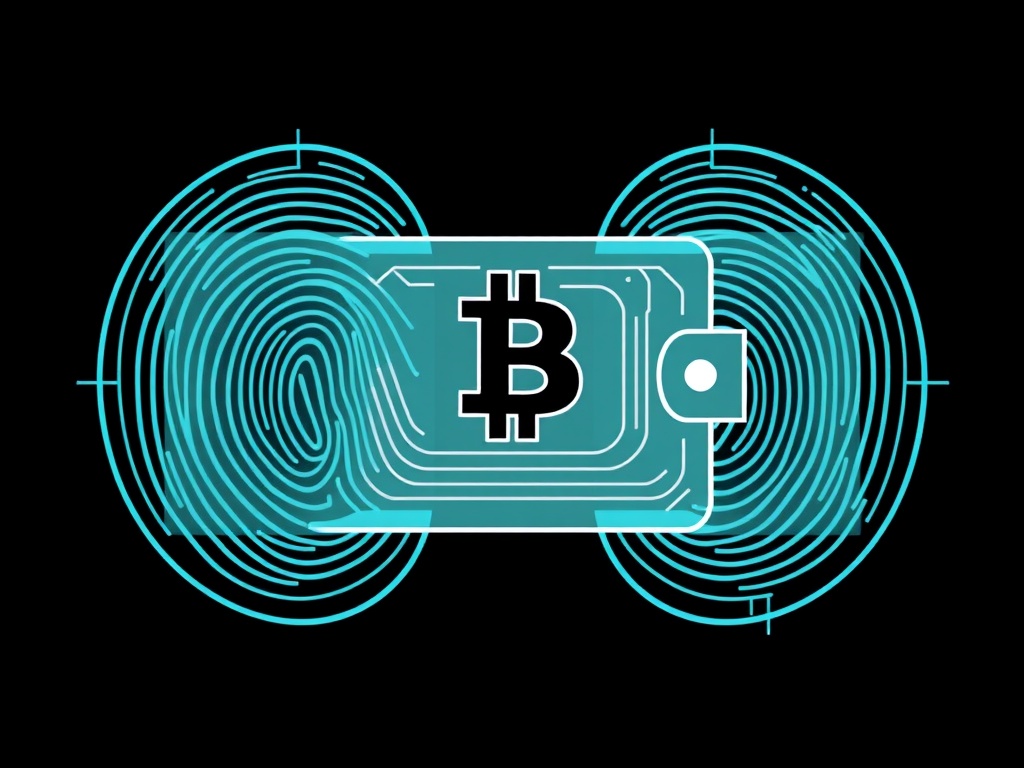
In the evolving landscape of cryptocurrency privacy, wallet fingerprinting has emerged as a critical concern for users seeking anonymity. As Bitcoin transactions become increasingly traceable, tools like BTC mixers have gained popularity. However, even these services cannot fully protect users if their wallets are uniquely identifiable. This guide explores wallet fingerprinting in depth, its implications for BTC mixer users, and strategies to mitigate risks.
The Basics of Wallet Fingerprinting: What It Is and Why It Matters
Wallet fingerprinting refers to the process of identifying a cryptocurrency wallet based on its unique characteristics. Unlike traditional fingerprinting used for biometric identification, this method relies on digital traces left by wallet interactions. These traces can include transaction patterns, address reuse, and even the specific software or hardware used to manage funds.
How Wallet Fingerprinting Works
Every Bitcoin wallet generates a unique fingerprint through its behavior and structure. This fingerprint is created by:
- Transaction Patterns: The frequency, timing, and amounts of transactions can distinguish one wallet from another.
- Address Reuse: Reusing Bitcoin addresses makes it easier for third parties to link transactions to a single wallet.
- Software Fingerprints: Different wallet software (e.g., Electrum, Ledger, Trezor) may leave distinct metadata in transactions.
- Change Addresses: The way change addresses are generated can reveal wallet ownership.
For BTC mixer users, wallet fingerprinting poses a significant risk. If a mixer fails to obscure these unique traits, the anonymity of the transaction may be compromised. Understanding how fingerprinting occurs is the first step in protecting your privacy.
Why Wallet Fingerprinting Is a Concern for Privacy Advocates
Privacy advocates argue that wallet fingerprinting undermines the fundamental purpose of cryptocurrencies like Bitcoin. While Bitcoin was designed to offer pseudonymity, the transparency of its blockchain means that sophisticated analysis can often deanonymize users. This is particularly problematic for:
- BTC Mixer Users: Those relying on mixers to obfuscate transaction trails may still be exposed if their wallet’s fingerprint is identifiable.
- High-Net-Worth Individuals: Wealthy users may face targeted surveillance or extortion risks if their wallet activity is linked to their identity.
- Activists and Journalists: Individuals in oppressive regimes or high-risk professions may be endangered if their transactions are traced.
By recognizing the dangers of wallet fingerprinting, users can take proactive steps to minimize their digital footprint and enhance their privacy.
Wallet Fingerprinting vs. Transaction Linking: Key Differences
While wallet fingerprinting and transaction linking are often discussed together, they represent distinct threats to privacy. Understanding the difference is crucial for BTC mixer users who want to maximize their anonymity.
What Is Transaction Linking?
Transaction linking refers to the process of connecting multiple Bitcoin transactions to a single wallet or user. This is possible because Bitcoin’s blockchain is public, and addresses are pseudonymous but not entirely anonymous. Techniques used in transaction linking include:
- Address Clustering: Grouping addresses controlled by the same wallet based on transaction inputs and outputs.
- Heuristic Analysis: Using assumptions (e.g., the largest input is likely the sender) to link transactions.
- Change Address Detection: Identifying change addresses to trace the flow of funds.
Transaction linking is a well-documented threat, and many BTC mixers are designed to disrupt it by breaking the chain of transactions. However, wallet fingerprinting operates at a different level—it focuses on the wallet itself rather than individual transactions.
How Wallet Fingerprinting Complements Transaction Linking
Wallet fingerprinting can exacerbate the risks of transaction linking by providing additional data points to identify a wallet. For example:
- A wallet that frequently uses a specific change address pattern may be uniquely identifiable.
- Wallets that interact with known services (e.g., exchanges, gambling sites) can be fingerprinted based on their transaction history.
- Hardware wallet users may leave a distinct fingerprint due to the way their devices sign transactions.
For BTC mixer users, this means that even if a mixer successfully breaks transaction links, a persistent wallet fingerprint could still reveal their identity. Addressing both transaction linking and wallet fingerprinting is essential for robust privacy.
Real-World Examples of Wallet Fingerprinting in Action
Several high-profile cases have demonstrated the dangers of wallet fingerprinting. In 2019, researchers at MIT and the University of Luxembourg published a study showing that over 80% of Bitcoin wallets could be uniquely identified based on their transaction patterns. Similarly, blockchain analysis firms like Chainalysis use advanced fingerprinting techniques to track illicit activity, often with chilling accuracy.
For BTC mixer users, these examples underscore the importance of adopting a multi-layered approach to privacy. Relying solely on a mixer may not be enough if your wallet’s fingerprint is already compromised.
How BTC Mixers Interact with Wallet Fingerprinting
BTC mixers, also known as tumblers, are designed to obscure the trail of Bitcoin transactions by mixing funds with those of other users. While this can disrupt transaction linking, its effectiveness against wallet fingerprinting depends on several factors.
The Role of BTC Mixers in Privacy Protection
BTC mixers work by pooling funds from multiple users and redistributing them in a way that severs the link between the original sender and receiver. This process typically involves:
- Input Mixing: Combining funds from multiple users into a single pool.
- Output Distribution: Sending mixed funds to new addresses controlled by the original users.
- Delay Mechanisms: Introducing random delays to further obscure transaction timing.
When used correctly, BTC mixers can significantly reduce the risk of transaction linking. However, they do not inherently address wallet fingerprinting. If a user’s wallet has a unique fingerprint, it may still be identifiable even after mixing.
Limitations of BTC Mixers Against Wallet Fingerprinting
Several limitations make BTC mixers vulnerable to wallet fingerprinting:
- Input Address Reuse: If a user reuses an address to send funds to a mixer, the mixer’s output may still be linked to that address.
- Transaction Patterns: Wallets with predictable transaction patterns (e.g., always sending 0.1 BTC) can be fingerprinted even after mixing.
- Metadata Exposure: Some mixers leak metadata (e.g., IP addresses, timestamps) that can be used to fingerprint users.
- Centralization Risks: Many mixers are centralized, meaning they can be compromised or forced to reveal user data.
To mitigate these risks, users must combine BTC mixers with other privacy-enhancing tools and practices. This includes using fresh wallets, avoiding address reuse, and employing additional obfuscation techniques.
Choosing a BTC Mixer That Resists Wallet Fingerprinting
Not all BTC mixers are created equal when it comes to combating wallet fingerprinting. When selecting a mixer, consider the following factors:
- Decentralization: Decentralized mixers (e.g., Wasabi Wallet’s CoinJoin) are less likely to be compromised or forced to reveal user data.
- No-Logs Policy: Choose mixers that do not store logs or metadata that could be used for fingerprinting.
- Randomization Features: Advanced mixers use randomization to break predictable transaction patterns.
- User Base Size: Mixers with a large user base are more effective at obscuring transaction trails.
Popular mixers like Wasabi Wallet, Samourai Wallet, and JoinMarket are often recommended for their resistance to wallet fingerprinting. However, users should always conduct their own research and consider their specific privacy needs.
Advanced Techniques to Mitigate Wallet Fingerprinting Risks
While BTC mixers provide a foundational layer of privacy, they are not a silver bullet against wallet fingerprinting. To achieve true anonymity, users must adopt a holistic approach that combines multiple techniques. Below are advanced strategies to minimize your wallet’s fingerprint.
Using Dedicated Privacy Wallets
Dedicated privacy wallets are designed to minimize wallet fingerprinting by incorporating features that obscure transaction patterns and address reuse. Some of the most effective options include:
- Wasabi Wallet: Uses CoinJoin to mix transactions and employs a Chaumian blind signature scheme to enhance privacy.
- Samourai Wallet: Offers features like Stonewall and PayJoin to break transaction links and obscure wallet fingerprints.
- Electrum Personal Server (EPS): Allows users to connect Electrum to their own Bitcoin node, reducing reliance on third-party servers that may fingerprint wallets.
- Sparrow Wallet: Supports advanced CoinJoin and PSBT (Partially Signed Bitcoin Transactions) to enhance privacy.
These wallets are specifically engineered to resist wallet fingerprinting by employing techniques such as:
- Address Rotation: Generating new addresses for each transaction to prevent clustering.
- Stealth Addresses: Using BIP 47 or similar protocols to create one-time addresses for incoming transactions.
- Transaction Graph Obfuscation: Introducing noise or dummy transactions to confuse blockchain analysis tools.
Implementing CoinJoin and PayJoin
CoinJoin and PayJoin are two of the most powerful tools for combating wallet fingerprinting. Both techniques involve combining transactions from multiple users to obscure the flow of funds.
CoinJoin Explained
CoinJoin works by merging inputs and outputs from multiple users into a single transaction. This makes it difficult to determine which input corresponds to which output. For example:
- User A sends 0.5 BTC to User B.
- User C sends 0.3 BTC to User D.
- The CoinJoin transaction combines these inputs and outputs, making it impossible to link the senders to the recipients.
By using CoinJoin, users can break the chain of transactions that would otherwise reveal their wallet’s fingerprint. Wasabi Wallet and Samourai Wallet are two popular implementations of CoinJoin.
PayJoin: The Next Evolution in Privacy
PayJoin takes CoinJoin a step further by allowing two parties to combine their transactions in a way that obscures the sender and receiver roles. This is particularly useful for payments where one party is sending funds to another. For example:
- Alice wants to pay Bob 0.1 BTC for a service.
- Instead of Alice sending 0.1 BTC directly to Bob, they use PayJoin to combine their transactions.
- The resulting transaction makes it appear as though Alice sent more than 0.1 BTC, and Bob received less, obscuring the true payment amount.
PayJoin is supported by Samourai Wallet and Sparrow Wallet, and it is highly effective at disrupting wallet fingerprinting by making transactions appear indistinguishable from regular wallet activity.
Using Bitcoin Nodes and Light Clients
Running your own Bitcoin node or using a light client that connects directly to a node can significantly reduce your wallet’s fingerprint. Here’s why:
- Reduced Metadata Exposure: By connecting directly to a node, you avoid exposing your transaction data to third-party servers that may fingerprint your wallet.
- Enhanced Control: Running a node allows you to verify transactions independently, reducing reliance on potentially compromised services.
- Improved Privacy: Light clients like Electrum or Sparrow Wallet can be configured to connect to your own node, further minimizing your digital footprint.
For users concerned about wallet fingerprinting, running a Bitcoin node is one of the most effective ways to maintain privacy. It ensures that your transaction data is not exposed to centralized services that may track or fingerprint your wallet.
Leveraging Lightning Network for Privacy
The Lightning Network, a layer-2 solution for Bitcoin, offers unique privacy advantages that can help mitigate wallet fingerprinting. By conducting transactions off-chain, users can avoid broadcasting every payment to the public blockchain. This reduces the amount of data available for fingerprinting.
Key benefits of using the Lightning Network for privacy include:
- Off-Chain Transactions: Payments are settled privately between nodes, reducing the risk of on-chain fingerprinting.
- Channel Jamming Resistance: Advanced techniques like splicing and dual-funded channels can further obscure transaction patterns.
- Atomic Swaps: Lightning Network supports atomic swaps, allowing users to exchange cryptocurrencies without revealing their wallet fingerprints.
While the Lightning Network is still evolving, it represents a promising tool for users seeking to minimize wallet fingerprinting risks. Wallets like Phoenix, Breez, and Zap are designed to integrate seamlessly with the Lightning Network while prioritizing privacy.
Common Mistakes That Expose Your Wallet to Fingerprinting
Even the most privacy-conscious users can inadvertently expose their wallets to wallet fingerprinting by making common mistakes. Below are some of the most frequent errors and how to avoid them.
Reusing Bitcoin Addresses
One of the most damaging practices for wallet privacy is address reuse. When you reuse a Bitcoin address, it becomes trivial for blockchain analysis tools to link all transactions associated with that address to a single wallet. This creates a clear wallet fingerprint that can be exploited by third parties.
To avoid this, always generate a new address for each transaction. Most modern wallets (e.g., Wasabi, Samourai, Electrum) support hierarchical deterministic (HD) wallets, which automatically generate fresh addresses. If your wallet does not support this feature, consider switching to a more privacy-focused alternative.
Using Centralized Services
Centralized services, such as exchanges, custodial wallets, and some BTC mixers, can expose your wallet to fingerprinting in several ways:
- KYC/AML Compliance: Exchanges often require Know Your Customer (KYC) verification, which links your identity to your wallet addresses.
- Metadata Collection: Centralized services may log IP addresses, timestamps, and other metadata that can be used to fingerprint your wallet.
- Transaction Surveillance: Some services actively monitor transactions for suspicious activity, increasing the risk of deanonymization.
To minimize exposure, avoid using centralized services whenever possible. Instead, opt for decentralized alternatives like non-custodial wallets, peer-to-peer exchanges, and privacy-focused mixers.
Ignoring Transaction Fees and Timing
Transaction fees and timing can inadvertently reveal information about your wallet’s fingerprint. For example:
- Predictable Fee Rates: Using the same fee rate for every transaction can make your wallet stand out.
- Timing Patterns: Sending transactions at regular intervals (e.g., every Monday at 9 AM) can create a recognizable pattern.
- Batch Transactions: Sending multiple small transactions in quick succession can signal wallet activity to blockchain analysts.
To mitigate these risks, vary your transaction fees and timing. Use tools like mempool.space to check fee rates and avoid predictable patterns. Additionally, consider batching transactions to reduce the number of on-chain interactions.
Failing to Use Coin Control
Coin control is a feature available in some wallets (e.g., Electrum, Wasabi, Sparrow) that allows users to select which UTXOs (Unspent Transaction Outputs) to spend. This is crucial for privacy because:
- Preventing Address Clustering: By carefully selecting UTXOs, you can avoid reusing addresses and reduce the risk of clustering.

Wallet Fingerprinting: The Hidden Risks and Strategic Implications for Digital Asset Investors
As a digital assets strategist with a background in both traditional finance and cryptocurrency markets, I’ve observed that wallet fingerprinting is one of the most underappreciated yet rapidly evolving threats in the space. Unlike traditional financial systems where account identifiers are often obfuscated, blockchain transparency means that every transaction, no matter how small, leaves a trace. Wallet fingerprinting leverages on-chain analytics to cluster addresses, map transaction patterns, and even infer user identities by correlating public keys with off-chain data. For institutional investors and high-net-worth individuals, this poses a critical risk—not just to privacy, but to operational security. A single misstep in address reuse or poor key management can expose entire portfolios to targeted attacks, regulatory scrutiny, or even blackmail. The sophistication of modern blockchain forensics tools means that sophisticated actors can reconstruct wallet hierarchies, track fund flows across exchanges, and predict liquidation points based on spending patterns. This isn’t theoretical; we’ve seen cases where wallet fingerprinting has led to front-running in DeFi or enabled adversarial actors to exploit timing vulnerabilities in large transactions.
From a strategic perspective, mitigating wallet fingerprinting requires a multi-layered approach that balances privacy with compliance. First, investors must adopt best practices in address hygiene—avoiding reuse, using hierarchical deterministic (HD) wallets, and leveraging privacy-preserving solutions like CoinJoin or zk-SNARKs where appropriate. However, privacy alone isn’t enough; operational security (OpSec) must extend to transaction timing, metadata stripping, and even the use of mixers or privacy coins for sensitive movements. For institutions, this means integrating on-chain surveillance tools that flag anomalous patterns before they escalate into risks. I’ve seen too many cases where a seemingly routine transaction—like consolidating funds from multiple addresses—triggers a fingerprinting alert that cascades into broader exposure. The key takeaway? Wallet fingerprinting isn’t just a privacy issue; it’s a systemic risk that demands proactive risk management. Investors who treat it as an afterthought will find themselves at a severe disadvantage in an environment where adversaries are increasingly leveraging data asymmetry to gain an edge.