Understanding XMR Stealth Addresses: The Ultimate Guide to Monero Privacy
Monero (XMR) has long been the gold standard for privacy-focused cryptocurrencies, thanks to its robust cryptographic techniques that obscure transaction details. At the heart of Monero’s privacy infrastructure lies the XMR stealth address, a sophisticated mechanism that ensures senders and receivers remain anonymous. Whether you're a seasoned crypto enthusiast or a newcomer to the world of privacy coins, understanding XMR stealth addresses is essential for leveraging Monero’s full potential.
In this comprehensive guide, we’ll explore what XMR stealth addresses are, how they work, their benefits, and practical steps to use them effectively. We’ll also address common misconceptions and compare them with other privacy-enhancing features in Monero. By the end of this article, you’ll have a clear grasp of how XMR stealth addresses contribute to Monero’s unparalleled privacy model.
What Is an XMR Stealth Address?
An XMR stealth address is a cryptographic tool used in Monero transactions to ensure that the recipient’s wallet address is never publicly linked to the transaction. Unlike Bitcoin, where addresses are reused and publicly visible on the blockchain, Monero employs XMR stealth addresses to generate a unique, one-time address for each transaction. This prevents external observers from tracking the flow of funds to a specific wallet.
The term "stealth" refers to the hidden nature of these addresses. When someone sends XMR to your wallet, they don’t use your public address directly. Instead, they generate a temporary XMR stealth address that only your wallet can recognize. This ensures that even if someone analyzes the blockchain, they cannot determine which wallet received the funds.
How Stealth Addresses Differ from Traditional Cryptocurrency Addresses
In most cryptocurrencies like Bitcoin or Ethereum, addresses are static and reused across transactions. This practice has several drawbacks:
- Lack of privacy: Anyone can view transaction histories linked to an address.
- Risk of tracking: Address reuse makes it easier for third parties to link transactions to real-world identities.
- Security vulnerabilities: Reusing addresses increases the risk of address poisoning attacks.
In contrast, XMR stealth addresses solve these issues by generating a new address for every transaction. This dynamic approach ensures that:
- Each transaction appears as a unique event on the blockchain.
- No two transactions can be linked to the same recipient address.
- Observers cannot determine the total balance or transaction history of a wallet.
The Role of Stealth Addresses in Monero’s Privacy Model
Monero’s privacy isn’t solely dependent on XMR stealth addresses—it’s a multi-layered system that includes Ring Signatures, Ring Confidential Transactions (RingCT), and Kovri (Monero’s I2P integration). However, XMR stealth addresses are the first line of defense, ensuring that the recipient’s identity remains hidden from the outset.
When a transaction is initiated, the sender’s wallet generates a XMR stealth address using the recipient’s public view key and a random data point called a "nonce." The recipient’s wallet then scans the blockchain for transactions associated with this stealth address, decrypting them using its private view key. This process ensures that only the intended recipient can detect and spend the funds.
How Do XMR Stealth Addresses Work? A Technical Breakdown
To fully appreciate the power of XMR stealth addresses, it’s important to understand the cryptographic principles behind them. Monero uses a combination of Elliptic Curve Cryptography (ECC) and Diffie-Hellman key exchange to create these addresses. Below, we’ll break down the process step by step.
The Cryptographic Foundation: Elliptic Curve Cryptography (ECC)
Monero relies on the ed25519 elliptic curve, a widely trusted cryptographic standard known for its efficiency and security. The XMR stealth address system leverages ECC to generate and verify one-time addresses without revealing the recipient’s identity.
The key components involved in XMR stealth addresses are:
- Public Spend Key (A): Derived from the recipient’s private spend key.
- Public View Key (B): Derived from the recipient’s private view key.
- Private Spend Key (a): Used to spend funds; kept secret.
- Private View Key (b): Used to detect incoming transactions; kept secret.
Generating a Stealth Address: Step-by-Step
When Alice wants to send XMR to Bob, the following process occurs:
- Bob shares his public keys: Bob provides Alice with his public spend key (A) and public view key (B). These are derived from his private keys and can be shared safely.
- Alice generates a stealth address: Using Bob’s public keys and a random nonce (r), Alice computes a one-time public key (P) as follows:
Where:P = H(rA)G + B- H is a cryptographic hash function.
- G is the base point of the ed25519 curve.
- r is a random scalar chosen by Alice.
- Alice sends XMR to the stealth address: The transaction is recorded on the blockchain with the stealth address P as the recipient. The amount is hidden using RingCT.
- Bob detects the transaction: Bob’s wallet continuously scans the blockchain, using his private view key (b) to check if any transactions are destined for him. He computes:
If P' = P, Bob knows the transaction is for him.P' = H(aP)G + B - Bob spends the funds: Using his private spend key (a), Bob can now spend the XMR sent to the stealth address.
Why This Process Ensures Privacy
The brilliance of XMR stealth addresses lies in their ability to hide the recipient’s identity without requiring trust between parties. Here’s why it works:
- One-time addresses: Each transaction uses a unique address, preventing linkability.
- No public linkage: The stealth address P does not reveal Bob’s public keys (A or B).
- Efficient detection: Bob’s wallet can scan the blockchain without exposing his private keys.
- Forward secrecy: Even if Bob’s private keys are compromised later, past transactions remain secure.
This system ensures that an observer monitoring the blockchain cannot determine:
- Who sent the funds.
- Who received the funds.
- How much XMR was sent.
- Whether multiple transactions are linked to the same wallet.
Benefits of Using XMR Stealth Addresses
Monero’s XMR stealth addresses offer several compelling advantages over traditional cryptocurrency address systems. Below, we’ll explore the key benefits that make them a cornerstone of Monero’s privacy model.
Enhanced Privacy and Anonymity
The primary benefit of XMR stealth addresses is the unparalleled privacy they provide. Unlike Bitcoin, where addresses are publicly linked to transactions, XMR stealth addresses ensure that:
- No address reuse: Each transaction uses a unique address, preventing blockchain analysis from linking transactions to a single wallet.
- No public exposure: Your wallet address is never exposed on the blockchain, making it impossible for third parties to track your holdings or transaction history.
- Protection against surveillance: Governments, corporations, and malicious actors cannot monitor your financial activity.
This level of privacy is particularly valuable for:
- Individuals living under oppressive regimes.
- Businesses protecting sensitive financial data.
- Journalists and activists operating in high-risk environments.
- Anyone seeking to maintain financial sovereignty.
Protection Against Address Poisoning Attacks
Address poisoning is a malicious tactic where attackers send small amounts of cryptocurrency to a victim’s address, hoping to trick them into sending funds to the wrong address. This is a common issue in Bitcoin and other transparent blockchains.
With XMR stealth addresses, address poisoning is virtually impossible because:
- Each transaction uses a unique address, so attackers cannot "poison" a static address.
- Even if an attacker sends XMR to a stealth address, the recipient’s wallet will not recognize it as a valid transaction unless it matches the expected pattern.
- Monero’s Ring Signatures further obscure the transaction, making it difficult to associate small "dust" transactions with the intended recipient.
Compatibility with Monero’s Other Privacy Features
XMR stealth addresses are just one piece of Monero’s comprehensive privacy suite. They work seamlessly with other privacy-enhancing features, including:
- Ring Signatures: Obscure the sender’s identity by mixing transactions with others in the blockchain.
- Ring Confidential Transactions (RingCT): Hide the transaction amount while ensuring the sender has sufficient funds.
- Kovri (I2P Integration): Conceal IP addresses to prevent network-level surveillance.
- Bulletproofs: Reduce transaction sizes and fees while maintaining privacy.
This multi-layered approach ensures that even if one privacy feature is compromised, the others continue to protect your identity and transaction data.
No Need for Trusted Third Parties
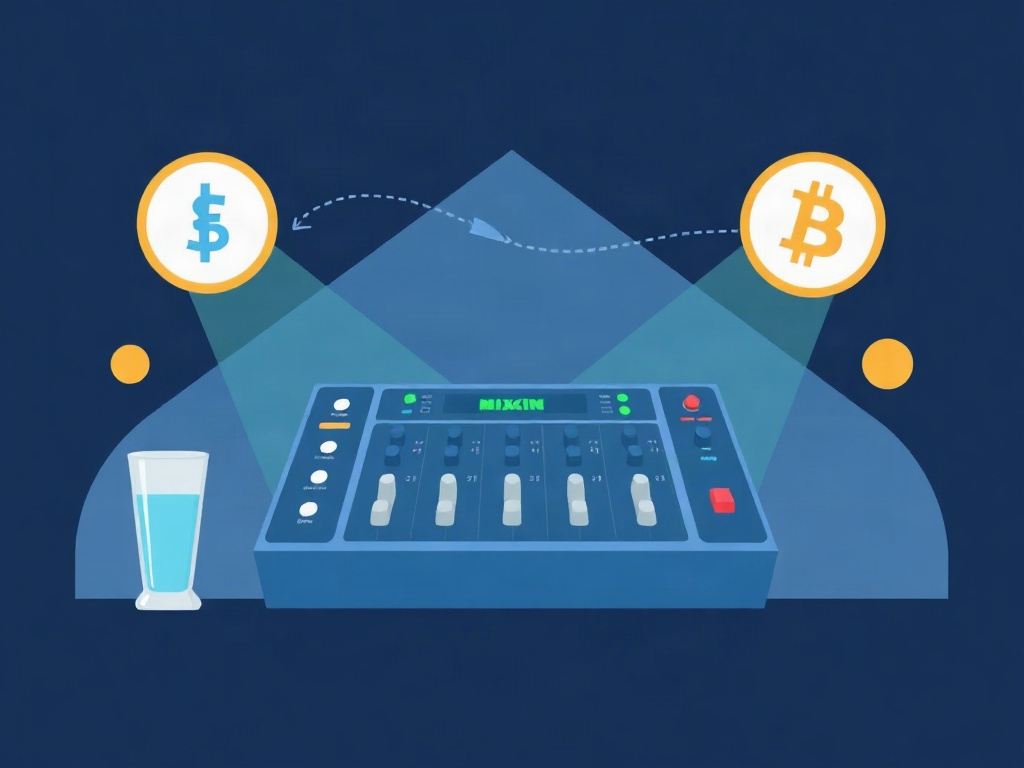
Unlike some privacy solutions that require trusted intermediaries (e.g., mixers or tumblers), XMR stealth addresses operate entirely on-chain without relying on external parties. This eliminates the risk of:
- Third-party censorship or shutdowns.
- Malicious actors stealing or misusing your funds.
- Delays or fees imposed by mixing services.
With XMR stealth addresses, your privacy is guaranteed by cryptography, not by the integrity of a third party.
How to Use XMR Stealth Addresses: A Practical Guide
Now that you understand the theory behind XMR stealth addresses, let’s explore how to use them in practice. Whether you're sending or receiving XMR, following these steps will help you maximize privacy.
Receiving XMR with a Stealth Address
If you want to receive Monero privately, follow these steps:
- Generate a Monero wallet: Use a trusted wallet like Monero GUI, Monero CLI, or a hardware wallet such as Ledger or Trezor. Ensure you back up your seed phrase securely.
- Share your public address (optional): While XMR stealth addresses work without sharing your public address, you can provide it to trusted parties if needed. Note that sharing your public address does not compromise your privacy, as transactions will still use stealth addresses.
- Wait for incoming transactions: Your wallet will automatically detect transactions sent to your stealth address. You don’t need to do anything—your wallet scans the blockchain in the background.
- Verify the transaction: Check your wallet’s transaction history to confirm the funds have arrived. The amount will be hidden until you spend it (thanks to RingCT).
Sending XMR to a Stealth Address
If you want to send XMR to someone else’s stealth address, follow these steps:
- Obtain the recipient’s public keys: Ask the recipient to provide their public spend key (A) and public view key (B). These can be shared safely via email, QR code, or any other method.
- Enter the recipient’s address in your wallet: Most Monero wallets allow you to paste the recipient’s public address, which will automatically generate the stealth address for the transaction.
- Set the transaction amount: Enter the amount of XMR you wish to send. The wallet will use RingCT to hide the amount on the blockchain.
- Choose a transaction priority: Select the fee priority based on how quickly you want the transaction to confirm. Higher fees result in faster confirmations.
- Send the transaction: Confirm the details and send the XMR. The transaction will be recorded on the blockchain with the stealth address as the recipient.
Best Practices for Using XMR Stealth Addresses
To ensure maximum privacy when using XMR stealth addresses, follow these best practices:
- Use a dedicated wallet for sensitive transactions: Avoid mixing funds from different sources in the same wallet to prevent accidental exposure.
- Enable wallet encryption: Protect your wallet with a strong password to prevent unauthorized access.
- Avoid reusing addresses: Even though XMR stealth addresses generate new addresses automatically, avoid manually reusing addresses for different transactions.
- Use a VPN or Tor when accessing your wallet: This prevents your IP address from being linked to your Monero transactions.
- Regularly update your wallet software: Ensure you’re using the latest version of your wallet to benefit from security patches and privacy improvements.
- Avoid discussing transaction details publicly: Even if the blockchain is private, sharing transaction IDs or amounts can compromise your privacy.
Common Mistakes to Avoid
While XMR stealth addresses are highly effective, some users make mistakes that can inadvertently compromise their privacy. Avoid these pitfalls:
- Sharing your private keys: Never share your private spend or view keys, even with trusted parties.
- Using untrusted wallets: Only use reputable wallets with open-source code to avoid backdoors or vulnerabilities.
- Ignoring wallet backups: Always back up your seed phrase securely. Losing your seed means losing access to your funds.
- Reusing view keys: While public view keys can be shared, avoid reusing them in ways that could link transactions.
- Using centralized exchanges for privacy: Exchanges like Binance or Coinbase often require KYC, which defeats the purpose of using Monero for privacy.
XMR Stealth Addresses vs. Other Privacy Solutions
Monero’s XMR stealth addresses are not the only privacy solution in the cryptocurrency space. Other projects and techniques also aim to enhance financial privacy. In this section, we’ll compare XMR stealth addresses with alternative privacy methods to highlight their unique advantages.
XMR Stealth Addresses vs. Bitcoin Mixers
Bitcoin mixers (or tumblers) are services that obfuscate the source of Bitcoin transactions by mixing funds with others. While they provide some level of privacy, they have several drawbacks compared to XMR stealth addresses:
| Feature | XMR Stealth Addresses | Bitcoin Mixers |
|---|---|---|
| Trust Required | No trust needed; privacy is guaranteed by cryptography. | Requires trust in the mixer service; risk of theft or shutdown. |

Emily Parker
Crypto Investment Advisor
As a certified financial analyst with over a decade of experience guiding investors through the complexities of digital assets, I’ve seen firsthand how privacy-enhancing technologies like Monero’s stealth addresses can reshape the risk-reward profile of cryptocurrency investments. The xmr stealth address is a cornerstone of Monero’s privacy architecture, enabling users to receive funds without exposing their wallet addresses on the blockchain. This isn’t just a technical novelty—it’s a critical feature for investors who prioritize confidentiality in an era where transaction transparency is often the norm. For institutional players or high-net-worth individuals, the ability to obscure financial trails can mitigate risks like targeted attacks, corporate espionage, or even regulatory overreach. However, it’s essential to recognize that while stealth addresses enhance privacy, they also introduce complexities in auditing and compliance, which must be carefully weighed against the benefits. From a practical investment standpoint, the adoption of xmr stealth address technology signals Monero’s commitment to fungibility—a property that’s increasingly valuable as regulators scrutinize transaction histories. For retail investors, this means holding XMR could offer a hedge against the devaluation risks associated with traceable assets like Bitcoin. Yet, the lack of regulatory clarity around privacy coins remains a hurdle; exchanges may delist Monero, and some jurisdictions impose restrictions. My advice? Treat XMR as a strategic allocation within a diversified portfolio, but pair it with robust due diligence on jurisdictional risks. Ultimately, the xmr stealth address isn’t just about anonymity—it’s about financial sovereignty, and that’s an investment thesis worth considering for the forward-thinking investor. Related Articles |