Understanding One-Time Address Monero: A Complete Guide to Privacy and Security
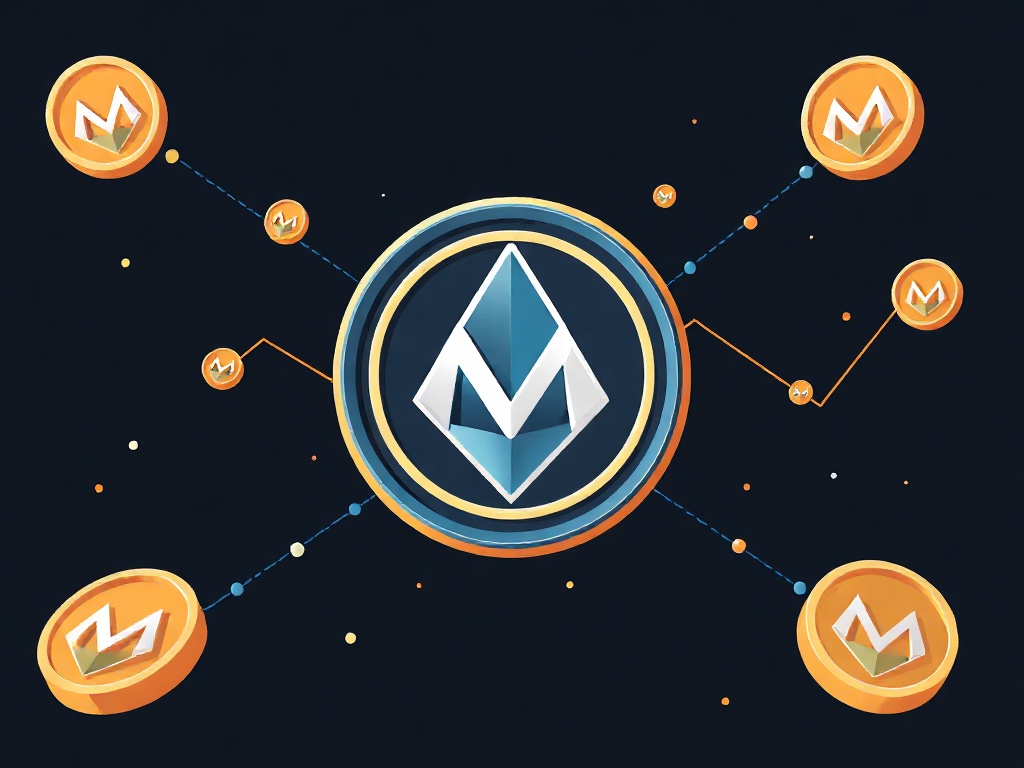
Monero (XMR) has long been the gold standard for privacy-focused cryptocurrencies, offering users unparalleled anonymity through advanced cryptographic techniques. Among its most powerful features is the one-time address Monero system, a cornerstone of the network’s ability to obscure transaction trails and protect user identities. Whether you're a seasoned Monero user or new to the world of privacy coins, understanding how one-time addresses work is essential for maximizing your financial privacy.
In this comprehensive guide, we’ll explore the mechanics behind one-time address Monero, its role in the broader Monero ecosystem, and practical steps to leverage this feature for enhanced security. We’ll also address common misconceptions, compare it with other privacy solutions, and provide actionable tips for both beginners and advanced users.
---What Is a One-Time Address in Monero?
The Basics of Monero’s Privacy Model
Monero distinguishes itself from other cryptocurrencies like Bitcoin or Ethereum by prioritizing untraceability and unlinkability. Unlike transparent blockchains where transaction histories are publicly visible, Monero uses a combination of cryptographic techniques to ensure that:
- No two transactions can be linked to the same user.
- Transaction amounts remain hidden from prying eyes.
- Sender and receiver identities are obscured.
At the heart of this privacy model is the one-time address Monero system, which ensures that every transaction generates a unique, disposable address for the recipient. This prevents third parties from tracking payments back to a single wallet or user.
How One-Time Addresses Differ from Traditional Cryptocurrency Addresses
In most cryptocurrencies, a single public address is used repeatedly for receiving funds. While this is convenient, it creates a transparent transaction history that can be analyzed to deduce spending patterns, net worth, or even real-world identities. For example, if someone sends you Bitcoin to the same address multiple times, an observer can see all incoming transactions tied to that address.
Monero, however, flips this model on its head. Instead of reusing a static address, the one-time address Monero system generates a brand-new, cryptographically unique address for every transaction. This address is derived from the recipient’s view key and spend key, ensuring that only the intended recipient can detect and spend the funds.
The process works as follows:
- The sender requests a one-time address from the recipient (or generates it using the recipient’s public keys).
- This address is mathematically linked to the recipient’s wallet but cannot be traced back to it without the private view key.
- Once the transaction is confirmed on the blockchain, the recipient’s wallet automatically detects the incoming funds and marks the address as "used."
- The recipient can spend the funds, but the original one-time address is discarded, preventing future linkability.
Why One-Time Addresses Are Critical for Monero’s Privacy
The Problem of Address Reuse in Cryptocurrency
Address reuse is one of the most significant privacy risks in cryptocurrency. When a user repeatedly sends funds to the same address, it creates a transaction graph that can be analyzed to infer relationships between wallets, spending habits, and even personal identities. For instance:
- If you receive Bitcoin at the same address every time you get paid, an observer can track your income over time.
- Merchants who reuse addresses may expose their sales volumes or customer bases to competitors.
- Donors or activists using transparent blockchains risk having their contributions linked to their identities.
Monero solves this problem by ensuring that one-time address Monero addresses are used only once, making it impossible to correlate transactions or build a profile of a user’s financial activity.
How One-Time Addresses Prevent Transaction Linking
The magic of Monero’s privacy model lies in its use of ring signatures and stealth addresses (which include one-time addresses). Here’s how it works:
- Stealth Address Generation: When someone wants to send you Monero, they use your public spend key and view key to generate a unique one-time address. This address is derived from a random number, ensuring it’s different for every transaction.
- Transaction Output: The sender includes this one-time address in the transaction output. The blockchain records this address, but it doesn’t reveal who it belongs to.
- Wallet Scanning: Your Monero wallet continuously scans the blockchain using your private view key to detect transactions sent to any of your one-time addresses. This is possible because the view key allows your wallet to decrypt transaction metadata without revealing the actual transaction details to others.
- Spending the Funds: When you spend the Monero, your wallet uses your private spend key to sign the transaction, proving ownership without linking it to the original one-time address.
This system ensures that even if an attacker analyzes the entire Monero blockchain, they cannot determine:
- Who sent the funds.
- Who received the funds (beyond the one-time address, which is unlinkable to your identity).
- How much Monero was sent (thanks to Ring Confidential Transactions).
Real-World Implications of One-Time Addresses
The impact of one-time address Monero extends far beyond theoretical privacy. Consider these real-world scenarios:
- Businesses: Companies can accept Monero payments without exposing their revenue streams or customer lists. Competitors or tax authorities cannot track sales volumes.
- Journalists and Whistleblowers: Sources can be paid anonymously without fear of retaliation. The one-time address ensures that even if a transaction is observed, the recipient’s identity remains hidden.
- Everyday Users: Individuals sending or receiving Monero can avoid exposing their financial history to data brokers, hackers, or nosy neighbors.
- Censorship Resistance: In regions with capital controls or oppressive regimes, one-time address Monero allows users to bypass financial surveillance and move wealth securely.
How to Use One-Time Addresses in Monero: A Step-by-Step Guide
Generating a One-Time Address for Receiving Monero
Monero wallets automatically handle the generation and management of one-time addresses, so you don’t need to do anything manually. However, understanding the process can help you verify that your wallet is functioning correctly. Here’s how it works in practice:
For Desktop Wallets (e.g., Monero GUI or CLI):
- Open your Monero wallet and navigate to the "Receive" tab.
- Your wallet will display a primary address (which you can share for receiving funds) and a list of one-time addresses generated for past transactions.
- When someone sends you Monero, your wallet automatically creates a new one-time address for that transaction. You don’t need to share this address—it’s handled behind the scenes.
- To verify that a transaction was received, check the "Transactions" tab. Each entry will show the one-time address used, the amount, and the confirmation status.
For Mobile Wallets (e.g., Monerujo or Cake Wallet):
- Open your wallet and tap "Receive."
- The app will generate a new one-time address for each transaction. You can share the primary address or request a fresh one-time address by tapping "New Address."
- Mobile wallets also allow you to label addresses for better organization (e.g., "Salary," "Donation," "Friend Payment").
For Hardware Wallets (e.g., Ledger or Trezor):
- Connect your hardware wallet to the Monero GUI or CLI.
- When receiving funds, the wallet will generate a one-time address on the device itself, ensuring maximum security.
- Always verify the one-time address on your hardware wallet’s screen before sharing it with the sender.
Sending Monero to a One-Time Address
When you send Monero to someone else, your wallet automatically generates a one-time address for the recipient. Here’s what happens behind the scenes:
- You enter the recipient’s primary address (or scan their QR code) in your wallet.
- Your wallet uses the recipient’s public view key and spend key to generate a unique one-time address for that transaction.
- The transaction is broadcast to the Monero network, where it’s included in a block.
- The recipient’s wallet scans the blockchain and detects the transaction using their private view key, then marks the one-time address as "received."
Important Note: You don’t need to manually generate or share one-time addresses when sending Monero. Your wallet handles everything automatically, ensuring privacy without user intervention.
Verifying One-Time Addresses for Security
While Monero’s system is designed to be secure, it’s always good practice to verify transactions. Here’s how to ensure your one-time address Monero transactions are legitimate:
Check Transaction Confirmations:
- In your wallet, look for the transaction in the "Transactions" tab.
- Verify that the amount and recipient address match your expectations.
- Wait for at least 10 confirmations (ideally more) before considering the transaction final.
Use Block Explorers for Transparency:
- Visit a Monero block explorer like MoneroBlocks or XMRChain.
- Enter your transaction ID (TXID) to view details, including the one-time address used.
- Compare the one-time address with your wallet’s records to ensure consistency.
Test with Small Amounts:
- Before sending large sums, test the process with a small amount (e.g., 0.01 XMR).
- Verify that the recipient’s wallet detects the transaction and marks the one-time address as received.
Common Misconceptions About One-Time Addresses in Monero
Myth 1: "One-Time Addresses Make Monero Completely Anonymous"
While one-time address Monero provides strong privacy guarantees, it’s important to understand its limitations:
- Metadata Risks: If you share your Monero address publicly (e.g., on social media), an attacker could correlate it with other data to infer your identity. Always use a fresh one-time address for each transaction.
- Wallet Fingerprinting: Some advanced techniques, like analyzing wallet behavior or timing patterns, could potentially link transactions. Using a dedicated wallet for each purpose (e.g., one for donations, one for personal use) can mitigate this.
- Exchange Withdrawals: If you withdraw Monero from an exchange, the exchange may know your identity. To maintain privacy, use a non-custodial wallet and avoid linking your identity to your Monero transactions.
For maximum privacy, combine one-time address Monero with other Monero features like:
- Ring signatures (to obscure the sender).
- Ring Confidential Transactions (RingCT) (to hide amounts).
- Kovri (formerly I2P integration) (to obfuscate IP addresses).
Myth 2: "One-Time Addresses Are the Same as Bitcoin Mixers"
Some users confuse Monero’s one-time addresses with Bitcoin mixers (like Wasabi Wallet or Samourai’s Whirlpool). While both aim to improve privacy, they work very differently:
| Feature | One-Time Addresses (Monero) | Bitcoin Mixers |
|---|---|---|
| Mechanism | Uses cryptographic stealth addresses to generate unique, unlinkable addresses for each transaction. | Pools funds from multiple users and redistributes them to break transaction trails. |
| Privacy Level | Provides strong, built-in privacy without requiring additional steps or trust in third parties. | Privacy depends on the mixer’s reputation and the number of users in the pool. Some mixers may log data or be compromised. |
| User Effort | Fully automatic. No setup or configuration required. | Requires manual setup, coordination with other users, and trust in the mixer service. |
| Censorship Resistance | Cannot be censored or blocked by exchanges or services. | Some exchanges and services block or flag transactions involving mixers. |
Key Takeaway: Monero’s one-time address Monero system is a native privacy feature, whereas Bitcoin mixers are add-on services that require additional steps and trust. Monero’s approach is more robust and user-friendly.
Myth 3: "One-Time Addresses Are Only for Advanced Users"
This is a common misconception, especially among newcomers to Monero. In reality:
- User-Friendly Wallets: Wallets like Monero GUI, Cake Wallet, and Monerujo are designed for beginners and handle one-time addresses automatically.
- No Technical Knowledge Required: You don’t need to understand cryptography to use Monero’s privacy features. The wallet does the heavy lifting.
- Accessibility: Monero is available on desktop, mobile, and even hardware wallets, making it easy to use for everyone.
That said, advanced users can enhance their privacy further by:
- Using multiple wallets for different purposes (e.g., one for donations, one for personal spending).
- Running a full node to avoid relying on third-party servers.
- Using Kovri or Tor to obfuscate IP addresses when broadcasting transactions.
Advanced Tips for Maximizing Privacy with One-Time Addresses
Using Multiple Wallets for Enhanced Privacy
While Monero’s one-time addresses provide strong privacy by default, using multiple wallets can add an extra layer of obfuscation. Here’s how:
Scenario: Separating Business and Personal Transactions
- Create two separate Monero wallets: one for business transactions and one for personal use.
- Use the business wallet only for receiving payments from clients or customers.
- Use the personal wallet for receiving funds from friends, family, or other sources.
- This separation makes it harder for an attacker to link your business and personal financial activities.
Scenario: Donations and Public Funding
- If you’re a content creator or nonprofit accepting donations, use a dedicated wallet for this purpose.
- Share the wallet’s primary address publicly (e.g., on your website or social media).
- Since Monero uses one-time addresses, donors’ transactions won’t be linkable to your identity or other donations.
Important Note: Always back up your wallet seeds securely. Losing access to a wallet means losing access to all funds sent to its addresses.
Running a Monero Full Node for Maximum Privacy
By default, Monero wallets connect to remote nodes to scan the blockchain for transactions. While this is convenient, it means your IP address is exposed to the node operator. To mitigate this risk:
Steps to Run a Full Node:
- Download the Monero CLI or GUI wallet.
- Configure your wallet to use your own full node instead of a remote one.

The Strategic Advantages of One Time Address Monero for Enhanced Privacy and Security
As a certified financial analyst with over a decade of experience in cryptocurrency investment strategies, I’ve seen firsthand how privacy-focused assets like Monero (XMR) can serve as a critical component in a diversified digital asset portfolio. The concept of a one time address Monero is particularly compelling for investors who prioritize confidentiality and transactional security. Unlike traditional cryptocurrencies that rely on pseudonymous addresses, Monero’s stealth address mechanism ensures that each transaction generates a unique, one-time address for the recipient. This eliminates the risk of address reuse, a common vulnerability in Bitcoin and other transparent ledgers, where transaction histories can be traced back to individuals. For institutional and high-net-worth investors, this feature is not just a privacy enhancement—it’s a risk mitigation tool that aligns with modern compliance standards while safeguarding sensitive financial data.
From a practical investment perspective, integrating Monero’s one-time address system into your strategy requires a nuanced understanding of both its technical strengths and market dynamics. While privacy coins like Monero have faced regulatory scrutiny in some jurisdictions, their adoption in regions with stringent data protection laws—such as the EU’s GDPR—positions them as a forward-thinking choice for forward-thinking investors. I often advise clients to allocate a modest portion of their crypto portfolio (typically 5-10%) to privacy assets like Monero, particularly if they operate in industries where transactional transparency could expose them to competitive or legal risks. Additionally, the scalability of Monero’s network, combined with its active development community, ensures that the one-time address feature remains robust against evolving threats. For those serious about long-term wealth preservation in the digital age, one time address Monero isn’t just an option—it’s a strategic imperative.